Cappuccino vs Latte vs Macchiato vs Con Panna: What’s the Difference?
You’ve ordered a ‘latte’ at a coffee shop, only to wonder why it looks nothing like your friend’s ‘cappuccino.’ Or maybe you heard someone ask for a ‘macchiato’ and got a tiny drink with a dot of milk. What really separates these drinks? If you’ve ever been confused by the differences between cappuccino, latte, macchiato, and con panna, you’re not alone.
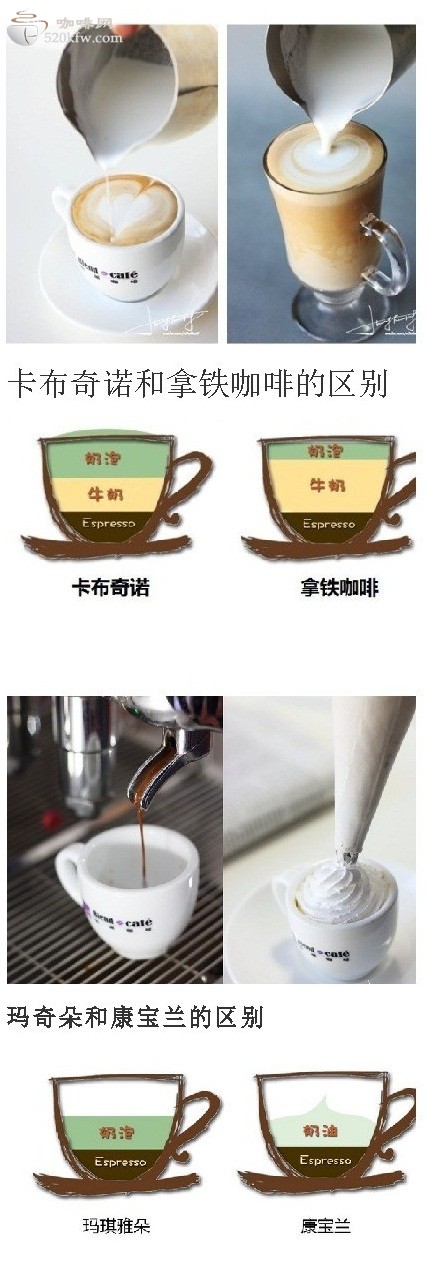
In short: a cappuccino is equal parts espresso, steamed milk, and foam (1:1:1); a latte has more steamed milk and a thin layer of foam (1:2:0.5); a macchiato is a shot of espresso ‘stained’ with a small amount of milk; and a con panna is espresso topped with whipped cream. These four drinks differ mainly in milk texture, ratio, and presentation.
What Is a Cappuccino?
A cappuccino is one of the most recognized espresso-based drinks in the world. It consists of one shot of espresso (about 30ml), an equal amount of steamed milk (around 30ml), and an equal amount of milk foam (also around 30ml)—a strict 1:1:1 ratio. This balance gives the cappuccino a strong espresso flavor with a creamy, airy texture from the foam.
The drink is traditionally served in a 150–160ml cup, leaving room for the layered construction. The foam on top is often dusted with cocoa powder or cinnamon, though purists argue this masks the coffee’s true character. The milk is microfoam—steamed to a velvety texture without large bubbles—allowing for latte art in more generous milk drinks, though cappuccinos are usually too foam-forward for intricate designs.
How Is a Latte Different?
A latte, short for ‘caffè latte’ or ‘milk coffee,’ is built with one shot of espresso (30ml) and much more steamed milk—typically around 200ml—plus a small layer of foam, about 1–2mm thick. That’s a milk-to-espresso ratio of roughly 2:1, with just a hint of foam.
The larger volume of steamed milk mellows the espresso’s intensity, making lattes smoother and often sweeter in perception. Lattes are usually served in taller cups, around 240–300ml, and are popular canvases for latte art due to their thin, glossy microfoam topping. Unlike cappuccinos, lattes prioritize the milk’s texture over foam volume.
What’s a Macchiato Then?
A macchiato, which means ‘stained’ or ‘marked’ in Italian, is an espresso ‘marked’ with a small amount of steamed milk—usually just 10–20ml. It starts with a single or double shot of espresso (30–60ml), then a small amount of milk is added, just enough to change the color slightly. This creates contrast between the dark espresso and the lightened milk.
There’s also the ‘latte macchiato,’ which reverses the order: steamed milk is poured first, then a shot of espresso is added, creating a layered drink with a gradient effect. But a traditional macchiato is espresso-forward, with minimal milk. It’s often served in a demitasse or small glass and highlights the espresso’s clarity and strength.
And What About Con Panna?
A con panna is an espresso topped with a dollop of whipped cream instead of milk or foam. The name means ‘with cream’ in Italian. It typically consists of a single or double shot of espresso (30–60ml) with a spoonful or two of freshly whipped cream on top—no milk, no foam, just cream.
This drink is less common in modern coffee shops but still appears on some classic or dessert-style menus. The whipped cream adds sweetness and richness, balancing the espresso’s bitterness. It’s sometimes served as a digestif-style coffee or as a dessert coffee option. Unlike the other three drinks, con panna doesn’t rely on milk texture at all.
Why Do These Differences Matter?
The key differences between these drinks come down to milk ratios, texture, and temperature. A cappuccino balances espresso, steamed milk, and foam equally. A latte emphasizes steamed milk with a light foam cap. A macchiato is mostly espresso with just a touch of milk. And a con panna replaces milk entirely with whipped cream.
These distinctions affect not just taste and texture, but also how the drinks are prepared and presented. Baristas steam milk to different temperatures and textures depending on the drink: microfoam for lattes and cappuccinos, slightly warmer for macchiatos, and none at all for con panna. Understanding these differences helps you order more precisely—or even make them better at home.
Frequently Asked Questions
What’s the milk ratio in a cappuccino?
A traditional cappuccino uses a 1:1:1 ratio: one part espresso (about 30ml), one part steamed milk (about 30ml), and one part milk foam (about 30ml). This balanced ratio gives equal emphasis to espresso flavor and creamy foam texture.
How much milk is in a latte?
A latte typically contains about 200ml of steamed milk and 1–2mm of foam, with a single shot of espresso (around 30ml). The milk-to-espresso ratio is roughly 2:1, making it much milkier than a cappuccino.
Is a macchiato just a small coffee?
No, a macchiato is not just a small coffee. It’s an espresso (30–60ml) ‘stained’ with a small amount of steamed milk (10–20ml), just enough to change its color slightly. It’s espresso-forward with minimal milk.
Does a con panna have milk in it?
No, a con panna does not have steamed milk. It’s made with a shot or two of espresso (30–60ml) topped with whipped cream instead of milk or foam. It’s sweeter and richer due to the cream.
Why is foam important in cappuccinos and lattes?
Foam contributes texture and mouthfeel. In cappuccinos, thick microfoam is essential for structure and often used for latte art. In lattes, thinner microfoam creates a smooth, silky texture and allows for artistic designs. Both rely on properly steamed milk.
Can I make these drinks at home?
Yes, with an espresso machine and a milk frother, you can make cappuccinos, lattes, and macchiatos at home. Con panna requires only whipped cream. Getting the milk texture and ratios right takes practice, but the basic ingredients are simple.
Recommended FrontStreet Beans for Milk Drinks
For cappuccinos, lattes, and macchiatos, try FrontStreet Coffee’s Ethiopia Humbera: a bright Ethiopian single origin with citrus, blueberry, and floral notes, perfect for highlighting espresso clarity. For a richer base, their Yirgacheffe offers jasmine, lemon, and tropical fruit tones that shine through milk. Both beans are roasted to highlight fruit and acidity, ideal for balancing milk sweetness. Freshly roasted within 5 days · Orders placed before 17:00 ship the same day · Next-day delivery across most of Guangdong Province.
FrontStreet Coffee is a long-established specialty coffee roaster in Guangzhou China, selling freshly roasted beans from its own farm in Yunnan as well as dozens of carefully selected single-origin beans from around the world for both pour-over and espresso. The products deliver consistently excellent quality and great value, with shipping within 24 hours. Guangzhou's FrontStreet Coffee shop is recommended by many coffee lovers, and the beans are now available online at the Tmall 。
Important Notice :
前街咖啡 FrontStreet Coffee has moved to new addredd:
FrontStreet Coffee Address: 315,Donghua East Road,GuangZhou
Tel:020 38364473