How to Use a Manual Milk Frother for Espresso Drinks
If you’ve ever watched a barista steam milk to silky perfection and thought there had to be a simpler way to get decent foam at home, you’re not alone. Many home coffee enthusiasts don’t own a steam wand, yet still want to enjoy drinks like cappuccinos or lattes with properly textured milk. The good news? You don’t need expensive equipment to get started.
To make fresh milk foam manually, you only need a basic handheld milk frother, cold or warm milk, and about 20–30 seconds of your time. This guide walks you through the exact steps using a common manual frother design, with options for both iced and heated milk foam.
What Is a Manual Milk Frother?
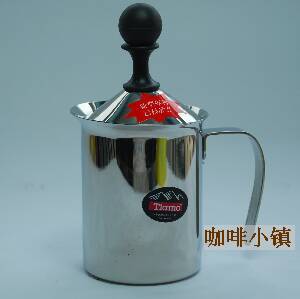
A manual milk frother is a small, handheld device consisting of a cylindrical container with a plunger (or pull rod) and a perforated disk inside. When you move the plunger up and down quickly, it agitates the milk to create foam. It’s a low-cost, no-frills tool that doesn’t require electricity or steam pressure—just your arm.
Why Use One for Espresso-Based Drinks?
Good milk foam is essential for drinks like cappuccinos, lattes, and flat whites. It adds texture, lightness, and helps balance the intensity of the espresso. While a steam wand gives you microfoam ideal for latte art, a manual frother is a practical alternative for creating decent froth at home without any special machines. It works well for basic textured milk that complements espresso nicely.
How to Use a Manual Milk Frother: Step-by-Step
Here’s the exact method shown in the original guide, reorganized for clarity:
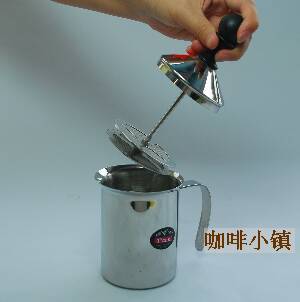
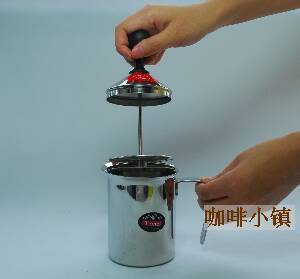
1. Remove the lid and the internal frothing disk (also called the “beater” or “whisk”) from the frother container.
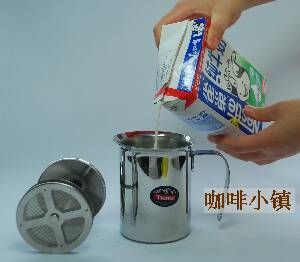
2. Pour in cold milk—around 200cc (about one-third of a standard 300ml cup). The guide specifies using Nestlé 100% pure milk, but any fresh whole or skim milk will work.
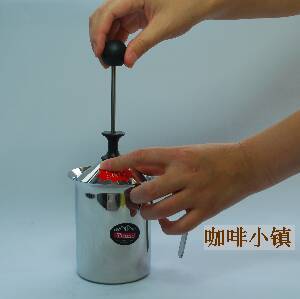
3. Replace the lid and the frothing disk securely.
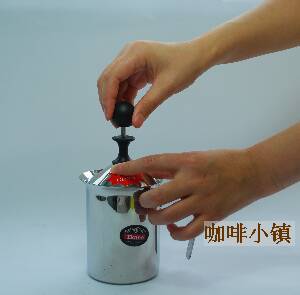
4. Rapidly move the plunger up and down for approximately 20–30 seconds. This motion incorporates air and agitates the milk to form foam.
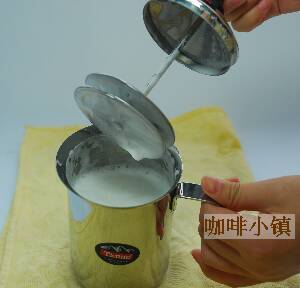
5. Remove the lid and disk. Your freshly textured milk foam is ready.
For hot foam, gently heat the milk to between 60–80°C (do not boil), pour it into the frother, and repeat the same steps.
Image Reference Points
The process can be visualized as follows: the device with its parts separated
Tips & Notes
- For best results, use cold milk. It froths more easily and holds foam better.
- Do not overfill the container; leaving some space allows proper air incorporation.
- The 20–30 second timeframe is crucial—too short and the foam won’t form fully; too long may overheat or thin the foam.
- If you want hot foam, ensure the milk does not reach boiling point to preserve texture and taste.
Frequently Asked Questions
How long should I froth milk with a manual frother?
Froth the milk for around 20–30 seconds using a rapid up-and-down motion. This timing is based on the tested method outlined in the guide and is effective for producing usable foam with most standard manual frothers.
Can I use any type of milk with a manual milk frother?
Yes, you can use whole milk, skim milk, or any other variety of fresh milk. The guide uses Nestlé 100% pure milk as an example, but the technique applies broadly. Each milk type may produce slightly different foam texture.
Do I need to heat the milk before frothing?
No, you can froth cold milk directly. If you prefer hot foam, heat the milk to between 60–80°C first (without boiling), then froth it using the same method. Avoid boiling the milk as it can affect texture and taste.
What’s the difference between cold and hot milk foam?
Cold foam is made with chilled milk and is typically used for iced coffee drinks. Hot foam is made with milk heated to 60–80°C and is used in hot espresso drinks like cappuccinos or lattes. The same manual frother and method apply for both, with the only difference being the milk temperature.
Is a manual milk frother as good as a steam wand?
No, a manual frother won’t produce microfoam as fine and velvety as a steam wand, which is ideal for advanced latte art. However, it’s a simple, effective tool for creating basic textured milk foam at home without any special equipment or electricity.
Recommended FrontStreet Beans for Espresso Drinks
For pairing with manually frothed milk, try FrontStreet Coffee’s Classic Blend—a well-balanced espresso with rich crema and a smooth, approachable profile, perfect for cappuccinos and lattes. For a deeper, more intense option, the Black Cocoa Blend offers bold flavors with strong cocoa notes, ideal for milk-based drinks that need extra body. Both blends are crafted specifically for espresso preparation and deliver consistent crema and texture, making them excellent choices for home baristas working without a commercial machine. Freshly roasted within 5 days · Orders placed before 17:00 ship the same day · Next-day delivery across most of Guangdong Province.
FrontStreet Coffee is a long-established specialty coffee roaster in Guangzhou China, selling freshly roasted beans from its own farm in Yunnan as well as dozens of carefully selected single-origin beans from around the world for both pour-over and espresso. The products deliver consistently excellent quality and great value, with shipping within 24 hours. Guangzhou's FrontStreet Coffee shop is recommended by many coffee lovers, and the beans are now available online at the Tmall 。
Important Notice :
前街咖啡 FrontStreet Coffee has moved to new addredd:
FrontStreet Coffee Address: 315,Donghua East Road,GuangZhou
Tel:020 38364473