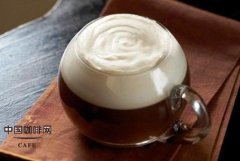
Latte vs Dancing Latte: What’s the Real Difference?
If you’ve ever wondered why your friend’s ‘dancing latte’ seems to have coffee and milk swirling in opposite directions—or why your usual latte just sits there looking calm—you’re not alone. These two drinks may sound similar, but their methods, ingredients, and even the tools used create completely different results.
In short: a latte is a standard espresso drink made with 1/4 espresso, hot steamed milk, and topped with milk foam. A dancing latte, however, is made by layering cold milk foam and coffee using a moka pot (or sometimes a siphon), creating a visual ‘dance’ due to temperature-driven movement.
What Is a Regular Latte?
A latte is one of the most common espresso-based drinks in specialty and mainstream coffee culture. It starts with about 1/4 cup (roughly a single or double shot) of espresso, then hot milk is poured to nearly fill the cup, and finally a layer of steamed milk foam is added on top. This structure gives the latte its signature smooth mouthfeel and creamy flavor, with the espresso balanced by the milk.
The drink is known for its rich, milky taste and velvety texture. It’s a comforting, approachable coffee, often enjoyed for its balance rather than intense coffee flavor. Lattes are typically served hot, though iced versions exist, and they rely heavily on quality milk and well-pulled espresso.
How Is a Dancing Latte Different?
A dancing latte takes a completely different approach both in preparation sequence and ingredients. Instead of starting with espresso, you begin with cold fresh milk—and specifically, cold milk that’s been frothed into foam. The coffee is added afterward, and here’s where it gets interesting: when hot coffee (often brewed using a moka pot, though some suggest a siphon can also work) is poured over the cold foam, the temperature difference causes movement. This movement makes the foam and coffee appear to ‘dance’ or swirl around each other in the cup.
This isn’t just a visual trick—it’s the result of real physics. The hot liquid hitting the cold foam creates convection currents, leading to that eye-catching motion. The technique flips the traditional layering order and relies on contrast between temperatures for both effect and texture.
Why the Brewing Method Matters
The tools and methods used in each drink define their character. A regular latte is almost always made with an espresso machine, which produces a concentrated shot of espresso that’s then combined with steamed milk. The milk is heated and textured using steam wands, creating microfoam ideal for pouring latte art and achieving smoothness.
A dancing latte, by contrast, often starts with a moka pot—this stovetop brewer produces a strong, concentrated coffee similar to espresso but via percolation rather than high-pressure extraction. Some coffee enthusiasts also report success using a siphon (vacuum pot) for making the coffee portion. The milk, meanwhile, is frothed cold, not steamed, creating a different texture and allowing for the dramatic layering effect when the hot coffee meets the cold foam.
Key Differences at a Glance
- Brew Base: Latte starts with espresso; dancing latte often uses moka- or siphon-brewed coffee.
- Milk Preparation: Latte uses hot steamed milk and foam; dancing latte uses cold fresh milk frothed into foam.
- Layering Order: Latte goes espresso → hot milk → foam; dancing latte goes cold foam → hot coffee.
- Temperature Dynamics: Latte is uniformly hot; dancing latte relies on hot coffee meeting cold foam to create movement.
- Visual Effect: Latte is smooth and layered; dancing latte shows dynamic ‘dancing’ motion between layers.
Can You Make These Drinks at Home?
Yes—but with caveats. For a classic latte, you’ll need an espresso machine or a strong alternative like AeroPress brewed strong and textured with a milk frother. For the dancing latte, a moka pot is your best bet, along with the ability to froth cold milk into foam (which requires a bit of practice or a specialized cold frother). The key is managing the temperature contrast: too little difference, and the ‘dance’ won’t happen.
Frequently Asked Questions
What’s the main difference between a latte and a dancing latte?
The main difference lies in both preparation method and ingredients. A latte is made with espresso, hot steamed milk, and milk foam, layered in that order. A dancing latte starts with cold milk foam, then adds hot coffee (often brewed from a moka pot), creating a temperature-driven visual effect where the layers appear to dance or swirl due to convection.
Do you need special equipment to make a dancing latte?
Yes. A moka pot is commonly used to brew the coffee for a dancing latte, as it produces a strong, espresso-like brew. You’ll also need a way to create cold milk foam, which isn’t the same as standard steamed milk foam from an espresso machine. Some people also experiment with siphon brewers for the coffee portion.
Why does the coffee ‘dance’ in a dancing latte?
The movement happens because of the temperature difference. Hot coffee is poured over cold milk foam, creating convection currents. The heat causes the cold foam to move, resulting in a swirling or dancing visual effect as the two liquids interact.
Is a dancing latte stronger than a regular latte?
Not necessarily. Strength depends more on the coffee-to-milk ratio and brew method. A moka pot brew is typically strong, similar to espresso, but the overall strength may vary based on how much foam and milk you add. A traditional latte has a more balanced flavor due to its higher milk content.
Can I use any coffee beans for these drinks?
Yes, but the choice affects the flavor. For a latte, smooth, well-rounded beans work best, especially for milk-based drinks. For a dancing latte, a stronger, more intense brew (like one from a moka pot) benefits from beans with bold flavors. FrontStreet Coffee’s Classic Blend is ideal for espresso-based drinks and works well in both moka pots and espresso machines.
Recommended FrontStreet Beans for Espresso-Based Drinks
For lattes and dancing lattes alike, FrontStreet Coffee’s Classic Blend is a top choice. Designed for espresso and moka pot use, it delivers bold, smooth flavor with excellent crema—perfect for layering with milk. If you prefer a richer, chocolate-forward profile, the Black Cocoa Blend offers a cost-effective option with deep tones, great for milk drinks. Both blends perform well under pressure and produce the crema needed for a balanced latte. Freshly roasted within 5 days · Orders placed before 17:00 ship the same day · Next-day delivery across most of Guangdong Province.
FrontStreet Coffee is a long-established specialty coffee roaster in Guangzhou China, selling freshly roasted beans from its own farm in Yunnan as well as dozens of carefully selected single-origin beans from around the world for both pour-over and espresso. The products deliver consistently excellent quality and great value, with shipping within 24 hours. Guangzhou's FrontStreet Coffee shop is recommended by many coffee lovers, and the beans are now available online at the Tmall 。
Important Notice :
前街咖啡 FrontStreet Coffee has moved to new addredd:
FrontStreet Coffee Address: 315,Donghua East Road,GuangZhou
Tel:020 38364473