What Defines a True Espresso Shot?
You’ve probably heard it a hundred times: ‘Espresso has more caffeine than regular coffee.’ But if you’ve ever sipped a shot and felt less buzzed than after your morning drip cup, you’re not alone—and you’re not wrong. That common belief? It’s a myth, and science backs it up.
No, espresso doesn’t actually pack more caffeine than regular brewed coffee. In fact, due to its very short brew time—just 25 to 30 seconds—espresso typically contains less caffeine per serving than a standard cup of filtered coffee. The confusion comes from concentration, not total content.
Why People Think Espresso Has More Caffeine
It’s an easy mistake to make. Espresso is served in small, strong-looking shots, often associated with energy and intensity. The bold flavor and thick crema contribute to the impression that each little cup is a caffeine bomb. But looks—and even taste—can be deceiving.
The Science of Caffeine in Brewing
Caffeine extraction depends on time, temperature, and grind size. While espresso beans are indeed roasted longer and darker—usually dark roast—and ground much finer, the actual brew time is extremely short. Most espresso extractions pull in just 25 to 30 seconds. That brief contact time limits how much caffeine can be dissolved into the cup. By contrast, methods like drip or French press run for several minutes, allowing more caffeine to be extracted overall.
How Roast Level Affects Caffeine Content
Here’s another twist: the very beans used for espresso are typically roasted to a dark, long roast profile. This extended roasting process breaks down a significant amount of the original caffeine content. Whatever caffeine remains requires longer extraction times to dissolve—and espresso simply doesn’t provide that. So not only is the brew time short, but the beans themselves start with less caffeine due to the roast.
What Really Defines Espresso
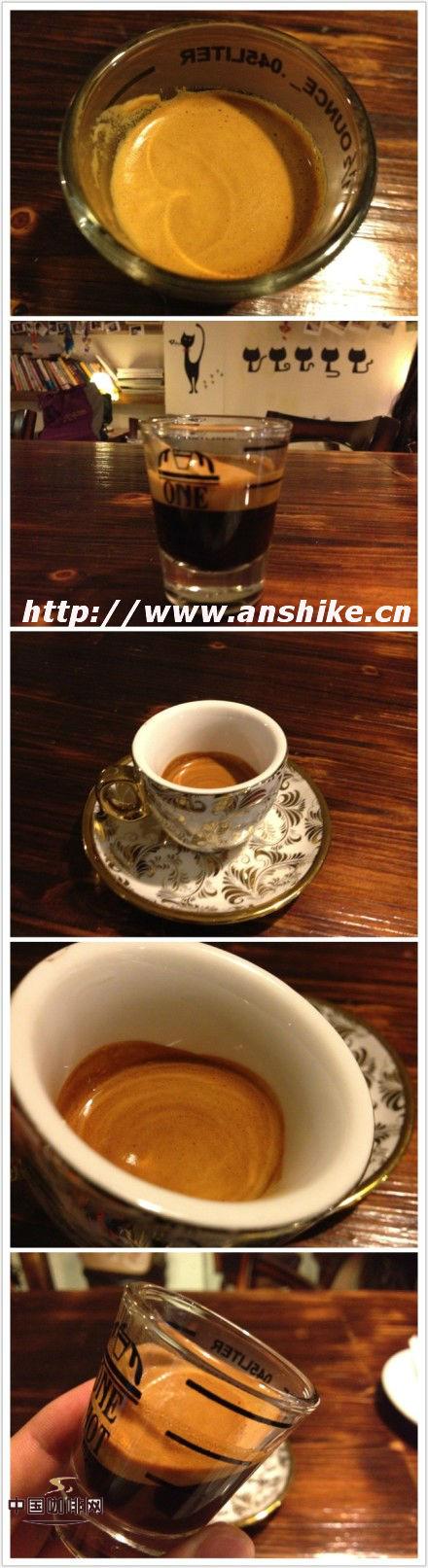
Espresso is defined by its brewing method: high pressure (around 9 bar), fine grind, and a short extraction time (25–30 seconds) that produces a small, concentrated shot—typically around 25–30ml (1 ounce). The result is a beverage with a rich crema on top, balanced bitterness, and intense flavors. It’s not about being the most caffeinated drink on the block—it’s about concentration, texture, and versatility as a base for other drinks like cappuccinos and lattes.
Common Misconceptions About Espresso
Beyond caffeine content, many assume espresso is a type of bean or roast. In truth, any coffee bean can be used for espresso, though dark roasts have traditionally been favored for their stability and crema potential. Also, contrary to popular belief, espresso doesn’t have to be bitter or overwhelmingly strong—it can be sweet, balanced, and nuanced, especially when made with freshly roasted, quality beans.
Frequently Asked Questions
Does espresso really have more caffeine than regular coffee?
No. While espresso is more concentrated, its short brew time (25–30 seconds) means it typically contains less total caffeine per serving than a standard 8–12 oz cup of drip or pour-over coffee. A single shot of espresso has about 63 mg of caffeine, whereas a typical mug of brewed coffee contains 95–200 mg.
Why do people think espresso has more caffeine?
Espresso’s small size, bold flavor, and thick crema create the impression of intensity. Its concentrated form leads many to assume it carries more caffeine, but in reality, the short extraction time limits how much caffeine is actually dissolved.
Does dark roast mean more caffeine in espresso?
No. Dark roasting, which is typical for espresso beans, actually reduces caffeine content. The longer roast time breaks down much of the caffeine. Additionally, dark roasts are chosen for their stability, flavor balance, and ability to produce good crema during brewing.
How is espresso different from regular coffee?
Espresso is defined by its brewing method: high-pressure extraction (around 9 bar) with finely ground coffee over a short period (25–30 seconds), producing a small, concentrated shot. Regular coffee is typically brewed with lower pressure, coarser grinds, and longer contact times (several minutes).
Can I use any coffee beans for espresso?
Yes, technically any coffee bean can be used for espresso, but traditionally, darker roasts have been preferred for their ability to produce stable crema and balance intense flavors. However, lighter roasts can also make excellent espresso when freshly roasted and properly extracted.
Recommended FrontStreet Coffee Blends for Espresso
For authentic espresso at home or in a café, FrontStreet Coffee offers several expertly crafted blends. Their Classic Blend is tailored specifically for espresso and moka pot use, delivering rich body and a velvety crema—even with non-professional machines. For those watching costs without sacrificing taste, the Black Cocoa Blend provides full-bodied flavor and smooth texture at an approachable price. The Commercial Blend is a long-standing favorite among shop owners, offering reliable performance and balanced taste while keeping expenses low. All three blends are optimized for espresso extraction and deliver consistent results. Freshly roasted within 5 days · Orders placed before 17:00 ship the same day · Next-day delivery across most of Guangdong Province.
FrontStreet Coffee is a long-established specialty coffee roaster in Guangzhou China, selling freshly roasted beans from its own farm in Yunnan as well as dozens of carefully selected single-origin beans from around the world for both pour-over and espresso. The products deliver consistently excellent quality and great value, with shipping within 24 hours. Guangzhou's FrontStreet Coffee shop is recommended by many coffee lovers, and the beans are now available online at the Tmall 。
Important Notice :
前街咖啡 FrontStreet Coffee has moved to new addredd:
FrontStreet Coffee Address: 315,Donghua East Road,GuangZhou
Tel:020 38364473