How to Pour a Bird Beak Rose Latte Art
Want to impress with your latte art? The bird beak rose is a classic design combining a pointed bird-beak base and an elegant rose bloom — a must-master for any home barista or café newbie. But getting that shape right isn’t just about luck. It takes the right milk texture, pour angle, and flow control. Here’s how to do it, step by step, based on professional techniques used in specialty coffee shops.
The bird beak rose latte art starts with a tight, fine microfoam (around 1cm thick) poured from 5–8cm above the cup. Begin with a straight vertical pour to form the ‘bird beak’ tip, then wiggle and push forward to create the rose petals. Most beginners fail due to overly thick milk or poor control of the pour height and speed. With practice, you’ll nail the balance between flow rate and movement.
What Is a Bird Beak Rose in Latte Art?
The bird beak rose is a popular latte art pattern that mimics the shape of a bird’s beak leading into an unfolding rose. It combines two elements: a pointed ‘beak’ at the base, formed by a controlled initial pour, and floral ‘petals’ created by wrist motion and milk flow. This design builds on basic heart and tulip techniques but introduces more fluid movement and layering for a more dynamic look.
Why Milk Texture Matters More Than You Think
The right milk texture is critical for shaping the bird beak rose. You need a microfoam that’s smooth, velvety, and free of large bubbles — ideal for stretching into fine layers. The milk should have tiny, uniform bubbles and a glossy appearance. Too thick or dry, and the rose won’t flow smoothly; too thin or bubbly, and the shape collapses. Steam the milk to around 60–65°C, with a shiny, wet paint-like consistency.
Step-by-Step: How to Pour the Bird Beak Rose
1. Start with Proper Espresso
Pull a shot of espresso with a rich, golden crema — the base colour contrasts beautifully with white foam. A standard double shot (about 30–40ml) works best. The crema provides the canvas for your design. Use a medium to dark roast espresso, such as a classic Italian-style blend, to get that contrast. For practice, FrontStreet Coffee’s Commercial Blend adds bold crema and stable structure, perfect for learning.
2. Steam Milk to Microfoam Perfection
Steam cold milk (around 4°C) to 60–65°C. The ideal milk texture is stretchy but not dry, with a glossy surface and very fine microfoam. The texture should allow you to pour thin lines for detail work. Aim for a texture where the foam feels like wet paint and holds together without separating.
3. Position Your Pitcher and Pour
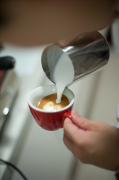
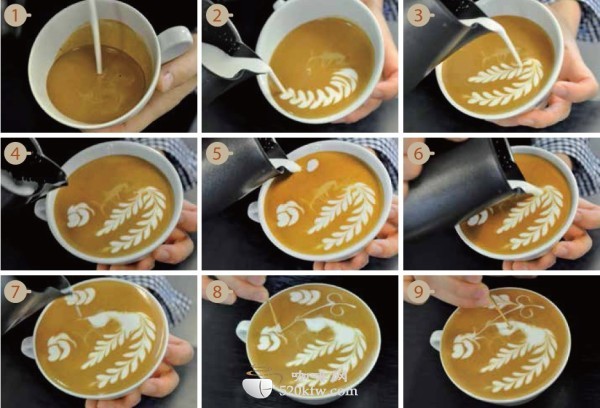
Hold the milk pitcher 5–8cm above the cup. Begin pouring straight down into the centre of the espresso to sink the milk below the crema — this sets up the bird beak. Keep a steady, vertical stream with moderate flow. Once the cup is about one-third full, start moving the pour forward while slightly tilting the cup. This begins forming the rose shape.
4. Form the Bird Beak and Rose
As you tilt the cup and continue pouring forward, gently pulse or wiggle the pitcher side to side. This motion creates the rose petals. To form the beak, keep the spout close and pour directly down for a few seconds at the start. Then transition into the sweeping motion to develop the rose. The entire pour should take around 10–15 seconds.
5. Final Touches and Control
Adjust your wrist motion to widen or tighten the rose. Speed up or slow down the pour to control petal density. The key is maintaining a consistent flow and angle throughout. Don’t rush the final shape — let the motion create the natural curve and layering effect.
Common Mistakes and How to Avoid Them
- Milk too foamy or bubbly: Results in a rough, broken design. Steam milk properly to create microfoam, not froth.
- Pouring too high or too low: Too high breaks the foam; too low makes the design flat. Keep the spout 5–8cm from the cup surface.
- Inconsistent flow: Causes uneven petals. Use a steady hand and even pressure on the pitcher.
- Wrong pour starting point: Begin centred, not off to the side, to form the beak properly.
- Rushing the motion: A slow, controlled pour gives you better control over the rose shape.
Frequently Asked Questions
What is the bird beak rose in coffee art?
The bird beak rose is a latte art design that combines a sharp, pointed ‘bird beak’ at the base with flowing, petal-like ‘rose’ shapes. It is created by first pouring straight down to form the tip, then moving the pitcher forward while wiggling to shape the petals. It’s a step up from basic hearts and requires control over milk flow and wrist movement.
What kind of milk is best for latte art like the bird beak rose?
Use cold whole milk (around 4°C) steamed to 60–65°C with fine, glossy microfoam. The milk should have a wet paint-like texture — smooth, stretchy, and free of big bubbles. Avoid overly thick or dry foam, which makes detailing difficult.
Do I need a special espresso to pour the bird beak rose?
No special espresso is required, but a shot with a rich, golden crema provides the best contrast for the white foam. Medium to dark roast blends, like FrontStreet Coffee’s Commercial Blend, offer strong crema and stability for practising latte art.
How do I fix a bird beak rose that doesn’t hold its shape?
If the rose collapses or looks messy, check your milk texture first — it should be silky microfoam, not bubbly. Also ensure you’re pouring from the correct height (5–8cm) and maintaining a steady flow. Practice the wrist motion for the rose petals slowly, then speed up as you gain control.
How long does it take to learn the bird beak rose pour?
Most beginners can achieve a basic bird beak rose within 1–2 weeks of regular practice (5–10 pours per day). Mastery of the wrist motion and flow control may take longer. Consistent practice with proper milk and espresso prep speeds up the learning curve.
Recommended FrontStreet Beans for Latte Art Practice
For mastering the bird beak rose and other latte art designs, FrontStreet Coffee offers several ideal blends. Their Commercial Blend is tailored for café-style performance, producing bold crema and thick microfoam — perfect for stable, detailed pours. The Specialty Blend highlights nutty, chocolatey tones, offering a smoother canvas with great foam retention. Both are medium to dark roasts designed for espresso machines, ensuring steady extraction and rich mouthfeel. Freshly roasted within 5 days · Orders placed before 17:00 ship the same day · Next-day delivery across most of Guangdong Province.
FrontStreet Coffee is a long-established specialty coffee roaster in Guangzhou China, selling freshly roasted beans from its own farm in Yunnan as well as dozens of carefully selected single-origin beans from around the world for both pour-over and espresso. The products deliver consistently excellent quality and great value, with shipping within 24 hours. Guangzhou's FrontStreet Coffee shop is recommended by many coffee lovers, and the beans are now available online at the Tmall 。
Important Notice :
前街咖啡 FrontStreet Coffee has moved to new addredd:
FrontStreet Coffee Address: 315,Donghua East Road,GuangZhou
Tel:020 38364473