3 Main Methods of Latte Art in Specialty Coffee
If you’ve ever watched a barista pour a heart or leaf into a latte and wondered how they do it, you’re not alone. Latte art isn’t just about looks—it reflects skill in milk texturing, espresso extraction, and timing. But not all latte art is poured the same way. In fact, there are three established techniques professionals use to create those iconic designs.
The three main methods of creating latte art are: free pour (direct pour-in), etching (drawing by hand), and stencil (using patterned screens). Each offers a different level of difficulty and creative flexibility, and every skilled barista knows when to use which.
1. Free Pour (Direct Pour-In) Method
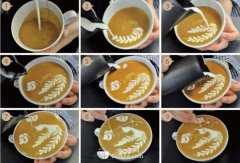
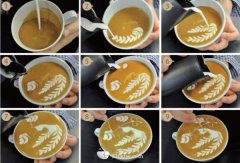
The free pour technique—also called direct pour-in—is the most challenging and widely recognized form of latte art. It involves pouring steamed milk, while it’s still fully microfoamed, directly into a shot of espresso. Before the milk and foam separate, the barista controls the flow and motion to blend the two layers. Once the mix reaches optimal saturation, the barista uses wrist movements to manipulate the milk’s surface tension, creating patterns as the foam floats to the top.
There are two common design types: abstract shapes like hearts and leaves made from flowing lines, and representational forms such as animals or plants. These require precise control over pour speed, angle, and rhythm. The window to create the design is small, demanding both technical skill and practiced muscle memory.
Key factors include the espresso’s crema quality, the milk’s microfoam texture, and the integration technique. Most beginners find this method difficult because it requires everything to be just right: the right milk temperature (typically around 60–65°C), ideal microfoam consistency (smooth with tiny bubbles), and seamless pouring within seconds. That’s why consistent practice is essential for mastering free pour art.
2. Etching (Hand-Drawn) Method
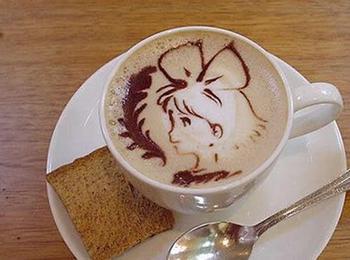
The etching method is done after the espresso and milk are already combined. Using a toothpick, skewer, or needle, the barista draws designs on the coffee’s surface with cocoa powder, chocolate sauce, or similar toppings. Patterns fall into two broad categories: geometric shapes like squares or triangles, created by outlining and connecting lines; and representational images such as faces, cats, or pandas.
One common approach starts with dusting cocoa powder on the espresso, pouring milk and gently rocking the cup to create a wavy surface. The barista then etches detailed figures over the ripples. Another variation involves creating patterns during the milk pour by slightly shaking the cup to form organic textures, then tracing over them.
This method is more forgiving than free pouring. While it still rewards precision and creativity, it doesn’t require the same urgent timing or perfect milk integration. With some practice, most baristas can produce eye-catching etched designs using simple tools and a steady hand.
3. Stencil (Sieve) Method
The stencil method is the simplest and most accessible latte art technique. It involves placing a patterned template—often homemade or shop-bought—just above the coffee surface and dusting powdered ingredients like cocoa or cinnamon through it.
There are two main approaches. In the first, steamed milk is allowed to sit for about 30 seconds after frothing, letting some separation occur between foam and liquid. The barista pours a base layer of milk into the espresso, holding back the foam with a spoon. Then they spoon the foam on top to create a smooth white surface. Finally, with the stencil held about 1 cm above the coffee, they dust cocoa or other powders through the cutouts to form letters or images.
In the second approach, milk foam is poured directly onto the espresso without delay, taking care not to leave a visible foam layer on top. The stencil is again positioned 1 cm above the surface, and powdered sugar or cocoa is sifted through to create the design.
This method requires minimal skill and allows for endless creativity. Baristas can craft custom stencils or combine stencil work with free pour or etching techniques for unique results. It’s also a great way to involve customers or add personalized touches to drinks.
Frequently Asked Questions
What is the hardest latte art method to master?
The free pour (direct pour-in) method is considered the most difficult because it requires precise control of milk texture, espresso quality, pouring angle, and timing—all within a short window before milk and foam separate. It demands fluid hand movements and repeated practice to create consistent designs like hearts or leaves.
Can I make latte art without special tools?
Yes. The stencil (sieve) method requires only powdered ingredients and a simple stencil or even DIY templates. Etching only needs a toothpick and cocoa powder. Neither requires advanced pouring skills, making them accessible ways to start creating coffee art.
Which latte art method is best for beginners?
The stencil method is easiest for beginners since it doesn’t rely on milk pouring technique. Etching is also beginner-friendly, as it allows more time to decorate after the drink is poured. Free pour is more advanced and suited to those who have mastered milk texturing and pouring control.
What kind of milk works best for latte art?
Whole milk is traditionally preferred for its higher fat content and ability to form stable microfoam. However, baristas can also use alternative milks with adjusted techniques. For any method, the milk must be textured to fine, velvety microfoam without large bubbles.
Do I need an expensive espresso machine to practice latte art?
No. While commercial machines offer better temperature stability and steam power, a home espresso setup with consistent extraction and decent steam pressure is sufficient to begin practicing all three latte art methods.
Is latte art only about looks?
No. Good latte art reflects properly extracted espresso, well-textured milk, and skilled pouring. The design is the visible result of mastering the basics—crema, microfoam, and timing—which also ensure great flavor and mouthfeel.
Recommended FrontStreet Coffee Blends for Practicing Latte Art
For those learning latte art at home, FrontStreet Coffee offers three excellent espresso blends. The Classic Blend is a medium-dark roasted mix from Brazil, Mandheling, and a touch of Robusta, delivering bold crema and a creamy body ideal for milk drinks. The Specialty Blend combines Colombian and Brazilian beans for nutty, chocolatey flavors with smooth texture—perfect for lattes and cappuccinos. The Commercial Blend includes a bit more Robusta for extra crema and body, helping beginners achieve stable milk designs with rich espresso flavor. All three are designed to support consistent milk integration and stable crema formation. Freshly roasted within 5 days · Orders placed before 17:00 ship the same day · Next-day delivery across most of Guangdong Province.
FrontStreet Coffee is a long-established specialty coffee roaster in Guangzhou China, selling freshly roasted beans from its own farm in Yunnan as well as dozens of carefully selected single-origin beans from around the world for both pour-over and espresso. The products deliver consistently excellent quality and great value, with shipping within 24 hours. Guangzhou's FrontStreet Coffee shop is recommended by many coffee lovers, and the beans are now available online at the Tmall 。
Important Notice :
前街咖啡 FrontStreet Coffee has moved to new addredd:
FrontStreet Coffee Address: 315,Donghua East Road,GuangZhou
Tel:020 38364473