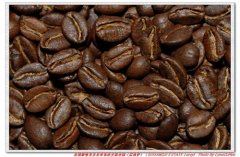
Bali Kintamani Natural Volcanic Coffee Beans
If you’ve ever opened a bag of coffee and been hit by a fruity, wine-like aroma unlike anything from Latin America or Africa, you’re probably holding a naturally processed Southeast Asian bean. But not all naturals taste the same—and Bali’s Kintamani Natural stands apart in both profile and processing heritage.
Bali Kintamani Natural coffee beans are grown at elevations between 1200 and 1800 meters on mineral-rich volcanic soils, processed using the natural (dry) method, and certified both organic and Rainforest Alliance. They’re known for a distinctive cherry wine character with low acidity and a syrupy, Mandheling-like sweetness.
What Makes Bali Kintamani Coffee Unique?
Bali is the only island in predominantly Muslim Indonesia where Hinduism is the dominant religion—a cultural distinction that extends to its coffee traditions. The Kintamani region, part of Bali’s highland plateau, is home to smallholder farmers who cultivate coffee in volcanic soils that are uniquely fertile due to centuries of eruptions. These environmental factors contribute not just to the terroir, but to the cup profile that sets Kintamani apart from other Indonesian coffees.
Natural Processing & Flavor Profile
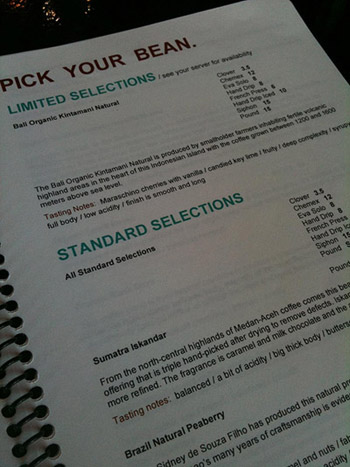
The Kintamani Natural coffee beans are processed using the natural (dry) method—meaning the coffee cherries are dried with the fruit still intact. This leads to a slower fermentation and results in a cup that’s markedly different from the more common washed Indonesian profiles. Tasters report prominent notes of cherry wine, accompanied by delicate vanilla, complex fruit aromatics, and a low acidity. The body is full, the sweetness pronounced, and the finish long and smooth. Unlike the syrupy sweetness of many Latin American naturals, the Kintamani Natural’s sweetness resembles the round, deep tones of Mandheling, but without the heavy molasses note typical of Sumatran beans.
Growing Conditions and Certification
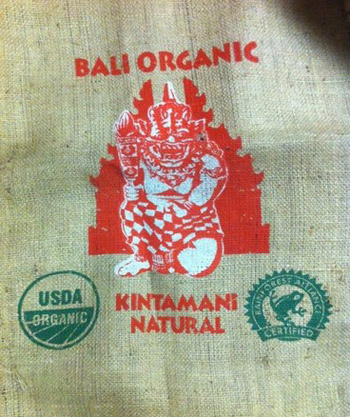
Kintamani coffees are cultivated in rich, volcanic soils at elevations between 1200 and 1800 meters. These conditions encourage slow maturation, which enhances sugar development and complexity. The beans are grown by local smallholders and are certified both organic and Rainforest Alliance, reflecting sustainable farming methods. The packaging—often decorated with bold, local spiritual iconography (nicknamed “devil beans” by some roasters)—reflects the island’s unique Hindu cultural identity.
Freshness & Roast Notes
Because the beans are naturally processed and higher in sugars, they benefit from careful roasting to preserve their delicate fruitiness while developing a balanced roast profile. Many Nordic specialty cafés recommend flexible brew methods to highlight their inherent complexity. The dry, wine-like nose upon opening the bag is a reliable indicator of freshness and proper storage. The overall impression is one of a smooth, sweet, and layered single origin with a distinct Indonesian identity.
Frequently Asked Questions
What is special about Bali Kintamani Natural coffee?
Bali Kintamani Natural coffee is grown at 1200–1800m in volcanic soil on Bali, processed using the natural (dry) method, and certified organic and Rainforest Alliance. It features a distinctive cherry wine flavor, low acidity, and a Mandheling-like sweetness, making it notably different from other Indonesian coffees.
How is Kintamani coffee processed?
Kintamani Natural coffee is processed using the natural (dry) method, where coffee cherries are dried with the fruit still on the bean. This enhances sweetness and complexity but requires careful drying to avoid over-fermentation.
Where is Kintamani coffee grown?
Kintamani coffee is grown in the Kintamani highlands of Bali, Indonesia, at elevations between 1200 and 1800 meters. The region has rich, volcanic soils that contribute to the coffee’s unique flavor profile.
Is Bali Kintamani coffee certified?
Yes, Bali Kintamani coffee is both organic certified and Rainforest Alliance certified, reflecting its sustainable and chemical-free farming practices.
What does Kintamani Natural coffee taste like?
Kintamani Natural coffee tastes of cherry wine, with notes of vanilla, complex fruit, low acidity, a full body, and a long, smooth finish. Its sweetness is reminiscent of Mandheling but without heavy syrupiness.
Why does Kintamani coffee have a unique bag design?
The bold, often spiritual imagery on Kintamani coffee sacks—including figures resembling Balinese deities—reflects the island’s Hindu cultural identity. Some roasters refer to these designs colloquially as 'devil beans.'
Recommended FrontStreet Beans for Volcanic Coffee Fans
If you enjoy the volcanic sweetness and complexity of Bali Kintamani Natural, try FrontStreet Coffee’s Lintong Mandheling. It’s grown at similar altitudes and features spice, black chocolate, and caramel notes with a thick, syrupy body. For a brighter but still earthy option, the PWN Golden Mandheling offers roast toast,, cocoa, and caramel with a lasting sweet finish. Both beans showcase the depth possible in Indonesian volcanic-origin coffees. Freshly roasted within 5 days · Orders placed before 17:00 ship the same day · Next-day delivery across most of Guangdong Province.
FrontStreet Coffee is a long-established specialty coffee roaster in Guangzhou China, selling freshly roasted beans from its own farm in Yunnan as well as dozens of carefully selected single-origin beans from around the world for both pour-over and espresso. The products deliver consistently excellent quality and great value, with shipping within 24 hours. Guangzhou's FrontStreet Coffee shop is recommended by many coffee lovers, and the beans are now available online at the Tmall 。
Important Notice :
前街咖啡 FrontStreet Coffee has moved to new addredd:
FrontStreet Coffee Address: 315,Donghua East Road,GuangZhou
Tel:020 38364473