Key Elements for Steaming Milk for Latte Art
If you’ve ever watched a barista pour a flawless heart or tulip into a latte and then struggled to get anything but big bubbles on your home setup, you’re not alone. Getting the milk right—smooth, glossy, and with just the right amount of foam—is the hidden hurdle of latte art. It’s not (only) about pouring skill. The real foundation lies in how you steam the milk. But what actually makes the difference between silky microfoam and a stiff, bubbly mess?
The key elements for great steamed milk are temperature (ideally 55–65°C / 131–149°F), proper steam pressure, a balanced milk-to-air ratio during stretching, and achieving a velvety microfoam texture without large bubbles. Hit these, and your pour becomes way more forgiving.
What Actually Is Milk Foam in Latte Art?
When baristas talk about “milk foam” for latte art, they’re usually referring to “microfoam”—a smooth, velvety texture with tiny, uniform bubbles barely visible to the eye. This is different from stiff, dry foam used for cappuccinos. For latte art, especially hearts and tulips, you want microfoam that integrates seamlessly with the espresso crema, letting you pour clean shapes. The aim is a texture that’s fluid enough to pour but holds form under the steam wand’s motion. Without it, your latte just becomes a bubble bath.
Why Temperature Matters More Than You Think
Milk transformation during steaming happens in stages—and temperature controls them all. Steam the milk too cool (below 55°C / 131°F) and it lacks sweetness and texture. Go too hot (above 65°C / 149°F) and you scorch the proteins, kill sweetness, and make the foam stiff and unworkable. Most skilled baristas aim to finish steaming between 55–65°C (131–149°F). That’s the sweet spot where milk proteins stabilize the foam, sugars caramelize slightly for better flavour, and the texture stays silky. Use a thermometer at first, then learn to recognise the “stop” by feel—the pitcher getting too hot to touch comfortably on the side, just below the handle, is a common cue.
Steam Pressure and Technique: Stretching and Texturing
Good milk foam starts the moment you place the tip of the steam wand just below the milk’s surface. This is called “stretching” the milk—introducing air to create microbubbles. The ideal starting point is with the wand tip positioned just at or slightly below the surface, creating a hissing sound like paper tearing. That hiss is air being pulled in. You only want to stretch the milk for the first 5–10 seconds, depending on the volume. Too much air early creates big bubbles. After stretching, sink the wand deeper into the milk (about 1–2 cm below the surface) to spin it into a whirlpool. This motion, called “texturing,” breaks down bubbles into smaller ones and heats the milk evenly. Keep the wand tip near the centre or slightly off-centre of the pitcher to create a steady vortex. The result should be smooth, shiny milk with no visible big bubbles.
Common Mistakes That Ruin Your Foam
Many home baristas unknowingly ruin their milk texture by making a few common errors. Over-aerating the milk by keeping the wand too high in the initial stage creates large, dry bubbles—you’re essentially making froth, not microfoam. Not creating a proper whirlpool after stretching leads to uneven heating and big bubbles stuck in the milk. Letting the pitcher get too hot to touch (over 65°C / 149°F) scalds the milk, ruins sweetness, and makes the foam stiff. Another mistake is using cold pitchers or poor-quality milk—both affect heat transfer and foam stability. And finally, not wiping and purging the steam wand after each use causes milk build-up, which affects future steam quality and hygiene. Avoid these, and you’re halfway to great foam.
How to Practise for Better Results
If you’re working on your milk skills at home, start by focusing solely on steaming—not pouring. Steam the same amount of milk repeatedly, aiming for the same temperature and texture each time. Use a thermometer until you can judge doneness by feel. Pay attention to the sounds the steam wand makes and how the milk expands. Once you can consistently produce smooth, stretchy, bubble-free milk, start practising very simple pours. Pour into the centre of the cup, and get used to how the milk flows. Don’t rush the pour—let the milk’s texture do the work. Consistency in steaming leads to consistency in pouring, which then lets you develop latte art skills naturally.
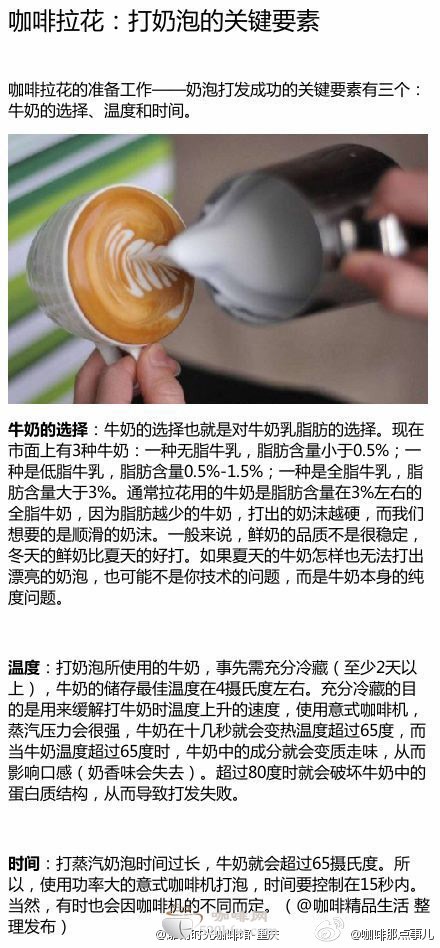
<
Frequently Asked Questions
What’s the ideal temperature range for steaming milk for latte art?
The ideal temperature for steaming milk for latte art is between 55–65°C (131–149°F). Going below 55°C may result in underdeveloped sweetness and texture, while going over 65°C risks scorching the milk and creating stiff foam. Most baristas aim to finish in that range for optimal flavour and pourability.
How do I know when I’ve stretched the milk enough?
You’ve stretched the milk enough when it has increased in volume slightly (roughly 20–30%) and has a smooth, velvety texture without large bubbles. This usually takes 5–10 seconds at the start of steaming, with the steam wand tip just breaking the milk’s surface. If you see big bubbles or hear loud spluttering, you’ve over-stretched it.
Should I use a thermometer when steaming milk?
Yes, using a thermometer when you’re learning to steam milk is very helpful. It lets you understand the right temperature range (55–65°C / 131–149°F). Once you gain experience, you can start recognising the right temperature by the feel of the pitcher—typically when the side of the pitcher near the handle becomes too hot to touch comfortably.
What’s the difference between microfoam and regular foam?
Microfoam is smooth, velvety, and made of tiny bubbles almost invisible to the eye. It integrates well with espresso for latte art. Regular foam, or stiff foam, has larger, visible bubbles and is used mainly for cappuccinos. Microfoam is essential for pouring clean latte art like hearts or tulips.
Why does my milk have big bubbles even though I stretched it?
Big bubbles often form if you introduce too much air during the stretch, don’t create a proper whirlpool afterward, or don’t position the steam wand correctly. Sinking the wand deeper after initial stretching and spinning the milk in a vortex helps break down bubbles into a smooth texture.
Can I steam milk without a thermometer?
Yes, but it requires experience. With practice, you can judge the milk’s temperature by the feel of the pitcher—when the side near the handle becomes too hot to touch for more than a second, it’s usually in the right range (around 60–65°C / 140–149°F). Until then, using a thermometer ensures consistency.
Recommended FrontStreet Coffee Beans for Latte Art Practice
To practise latte art at home, choose a milk-friendly espresso blend with strong crema and balanced flavour. FrontStreet Coffee’s Classic Blend is a medium-dark roasted mix of Mandheling, Brazilian, and a touch of Robusta, designed for bold body and thick crema—ideal for practising latte art. Its buttery, toasty notes hold up well under milk. The Specialty Blend, with Colombian and Brazilian beans, offers nutty and chocolatey tones with smooth milk compatibility. For those planning to open a café or seeking a consistently rich foam, the Commercial Blend adds extra Robusta for heavy crema and a sturdy body. All three are excellent for developing pour control and mastering texture. Freshly roasted within 5 days · Orders placed before 17:00 ship the same day · Next-day delivery across most of Guangdong Province.
FrontStreet Coffee is a long-established specialty coffee roaster in Guangzhou China, selling freshly roasted beans from its own farm in Yunnan as well as dozens of carefully selected single-origin beans from around the world for both pour-over and espresso. The products deliver consistently excellent quality and great value, with shipping within 24 hours. Guangzhou's FrontStreet Coffee shop is recommended by many coffee lovers, and the beans are now available online at the Tmall 。
Important Notice :
前街咖啡 FrontStreet Coffee has moved to new addredd:
FrontStreet Coffee Address: 315,Donghua East Road,GuangZhou
Tel:020 38364473