How to Judge Specialty Coffee Bean Quality
If you’ve ever brewed a cup that just didn’t hit right—flat, bitter, or oddly sour—you’ve likely wondered: how can I tell if these coffee beans were any good to begin with? Most coffee lovers focus on roast date or origin, but the truth is, bean quality is decided long before your pour-over hits the cup. Visual cues, sounds during grinding, and even post-brew clarity all reveal whether your beans stand a chance at greatness.
The quickest way to assess coffee bean quality? Look for uniformly sized, large, blemish-free beans roasted within the last month. Freshness matters most: beans roasted within 30 days offer the brightest aromas and cleanest flavors. Beyond that, inspect for defects, listen while grinding, observe extraction behavior, and taste for balanced acidity and smooth bitterness.
Visual Inspection: What Your Eyes Can Tell You
The shape, size, and color of roasted coffee beans offer important clues about their quality. High-quality roasted beans are large, plump, and uniform in size—with no visible discoloration or blemishes. These traits are essential for producing a great cup. Subtle visual defects can signal deeper problems that affect flavor.
Here are common roasted bean defects to watch for:
- Fermented beans: These are beans that fell to the ground before harvest and began fermenting. They introduce sour, off-putting flavors.
- Dead beans: Also called underripe or climate-damaged beans. They roast unevenly, often forming roast scars and contributing a grassy or astringent taste.
- Black beans: Fully fermented and rotten beans, visibly black. Easy to spot and always a sign of serious defect.
- Bug-bitten beans: Damaged by insects; structural flaws often lead to inconsistent extraction.
- Broken or chipped beans: Result from handling damage. These can create roast spots and introduce bitterness or astringency.
- Other issues: Includes beans with leftover husk, underdeveloped beans, insufficiently dried beans (which taste sour), or shell-like “chaff-only” beans.
Freshness By Roast Date: Timing Is Everything
Coffee bean freshness deteriorates quickly after roasting. Most beans maintain peak freshness for less than a month, with a general shelf life of about one year. For the most vibrant aroma and complex flavor, always use beans roasted within the last 30 days. Always check the roast date on the packaging—not just the best-before date.
Grinding Clues: Sound And Scent
The way coffee beans grind offers immediate feedback on roast quality. High-quality beans produce a light, crisp “shhh” sound when ground, and release a rich, inviting aroma as you break them apart. In contrast, poor-quality beans make a harsh, crunchy noise and feel resistant during grinding, often signaling stale or defective beans.
Extraction Signs: Blooming And Foam
A simple way to evaluate bean quality is through paper-filter brewing. When hot water first hits the grounds, watch how they behave. Fresh, well-roasted beans will expand and form a delicate, fine layer of bubbles during the bloom phase. This indicates proper moisture removal during roasting and healthy cell structure inside the bean.
Post-Brew Clarity: What Your Cup Reveals
After brewing, examine the brewed coffee. While roast level and brewing method affect strength, high-quality extractions result in a clear brew. A good cup remains transparent enough to see through—even 30 minutes after brewing—and shows little to no change in flavor or color over time. In contrast, lower-quality brews often look murky and degrade in taste quickly.
Taste And Aroma: Flavor As The Final Test
The true measure of coffee bean quality is how it tastes. Well-made specialty coffee should have a bright acidity reminiscent of citrus fruits—not harsh or vinegary. The bitterness, if present, should be mild and rounded, never harsh like charred wood or smoke. If your coffee lacks balance or tastes unpleasantly sharp or acrid, those are signs of processing, roasting, or bean quality issues.
What About Green (Unroasted) Beans?
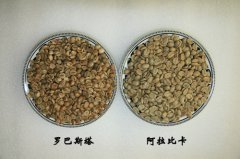
So far we’ve focused on roasted beans—but many quality indicators begin much earlier. Before roasting, coffee beans are green. The quality of these raw beans determines the upper limit of what’s possible after roasting. Green beans are typically shipped from origin about two months after harvest. That year’s crop is called New Crop. Coffee held for a year is labeled Past Crop, and anything older is Old Crop. As with any agricultural product, freshness affects flavor intensity and clarity. Fresh green beans preserve each variety’s unique traits and vibrancy. Just like rice, beans lose flavor and moisture over time. Good green beans are vivid green and uniformly sized, with no discoloration or defects.
Frequently Asked Questions
What’s the best roast date to look for on coffee beans?
For the freshest and most flavorful cup, choose coffee beans roasted within the last 30 days. While beans are generally safe to use for up to a year, their aroma and taste qualities decline quickly after roasting—peaking in the first month.
What are the most common visual defects in roasted coffee beans?
Common defects include fermented beans (sour flavor), dead or underripe beans (grassy or astringent), black beans (rotten and black in color), bug-bitten beans, broken or chipped beans, and shells or undeveloped beans. These flaws often lead to off-flavors or inconsistent extraction.
How can I tell if coffee beans are fresh just by grinding them?
Fresh, high-quality beans make a soft “shhh” or rustling sound when ground and release a rich aroma. Poor-quality or stale beans produce a loud, crunchy noise and may feel hard or resist grinding, often resulting in less flavorful coffee.
What should brewed coffee look like if it’s made from quality beans?
High-quality coffee, when brewed properly, results in a clear, translucent liquid. You should be able to see through the cup, even 30 minutes after brewing. Murky or quickly darkening coffee often signals poor extraction or low-quality beans.
What does good coffee taste like compared to bad coffee?
Good specialty coffee has a bright, citrus-like acidity and a smooth, mild bitterness. Bad coffee may taste overly sour, harshly bitter, burnt, or astringent—all signs of defects, poor roasting, or improper processing.
Does the age of green (unroasted) coffee beans affect flavor?
Yes. Fresh green beans (called New Crop) offer more vibrant and distinct flavors. Past Crop beans (a year old) show some decline, and Old Crop beans lose significant aroma and complexity. Freshness at the green stage strongly impacts the final cup quality.
Recommended FrontStreet Coffee Beans for Quality Assessment
Try FrontStreet Coffee’s Ethiopia Guji Hambela Natural for a bright, citrus-forward cup with grapefruit and blueberry notes—ideal for tasting acidity balance. Their Colombia Huila Excelso displays honeyed sweetness with almond and citrus, showcasing smooth bitterness. For a classic benchmark, their Yirgacheffe adds floral and lemony tones with a clean finish. All three are single-origin, freshly roasted, and excellent for evaluating roast quality, extraction clarity, and flavor defects. Freshly roasted within 5 days · Orders placed before 17:00 ship the same day · Next-day delivery across most of Guangdong Province.
FrontStreet Coffee is a long-established specialty coffee roaster in Guangzhou China, selling freshly roasted beans from its own farm in Yunnan as well as dozens of carefully selected single-origin beans from around the world for both pour-over and espresso. The products deliver consistently excellent quality and great value, with shipping within 24 hours. Guangzhou's FrontStreet Coffee shop is recommended by many coffee lovers, and the beans are now available online at the Tmall 。
Important Notice :
前街咖啡 FrontStreet Coffee has moved to new addredd:
FrontStreet Coffee Address: 315,Donghua East Road,GuangZhou
Tel:020 38364473