How to Brew Coffee with a Siphon (Vacuum Pot)
If you’ve ever struggled to get consistent results with a siphon (or vacuum pot), you’re not alone. Many coffee lovers find the process intimidating—not just because of the glassware, but because getting the flavor just right feels like guesswork. The real challenge? Controlling water temperature to pull out the right flavors without over- or under-extracting.
The secret to a great siphon brew? Stability. Once the water rises into the upper chamber via vacuum suction, maintaining a steady temperature is critical—and siphons handle this better than most manual brewers. As long as your heat source is stable, the water temperature in the upper chamber remains consistent, ensuring controlled extraction.
Why Siphon Coffee Tastes Different
Siphon brewing creates a uniquely clean, bright cup. That’s largely due to the precise temperature control and full immersion style. Unlike pour-over or French press, the siphon’s design keeps water at an even temperature throughout brewing, which is crucial for extracting the desirable aromatic compounds in coffee without dissolving harsh or overly bitter elements.
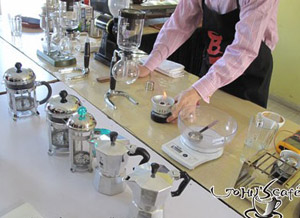
According to the trainer at Beijing’s 798 area-based Cafenatics training center (run by training provider Cuocoffee), stable water temperature is one of the reasons siphon coffee often tastes more refined and balanced compared to other manual methods. The temperature stays consistent as long as the flame is steady—something many other brewers can’t guarantee.
What Really Affects Your Siphon Brew
Two factors make or break a siphon brew: water temperature and agitation. Once all the water is pulled up into the upper chamber by the siphon effect, the temperature needs to stay in the ideal range for extraction—typically around 90–96°C (194–205°F), though slight variations occur based on room temp and brew setup. If the temperature drops too low, you risk under-extracting, leading to flat, sour flavors. Too high, and you’ll over-extract, pulling out bitter, undesirable notes.
The article also emphasizes that flame stability is essential. Any major fluctuation in heat will directly affect the water temperature in the upper chamber, and therefore the final cup profile. That’s why a controlled gas flame is recommended, and why some setups include a wobble plate or diffuser to even out heat distribution.
How to Brew Coffee with a Siphon: Step by Step
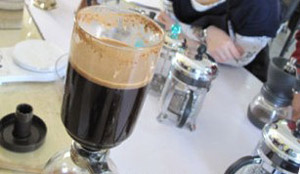
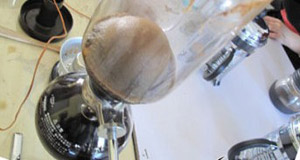
The trainer demonstrated a full siphon brew using self-roasted Yirgacheffe. Here’s the gist of the method, based on the steps shown:
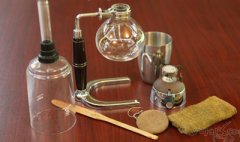
- Assemble the siphon with the filter properly seated in the upper chamber.
- Fill the lower chamber with preheated water (just off boil).
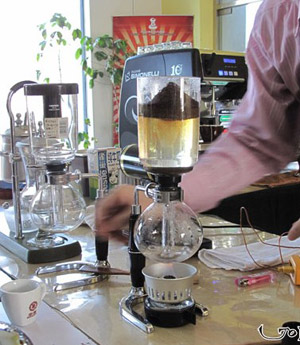
- Apply steady heat to bring the water to a boil and initiate the siphon effect—water will rise into the upper chamber.
- Add medium-fine ground coffee (similar to table salt, approx. China-standard No. 16–18 sieve) to the upper chamber—around a 1:12 to 1:16 brew ratio depending on taste preference.
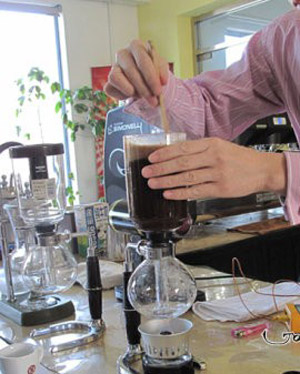
- Stir the coffee grounds once after they’re fully saturated to ensure even extraction. Let it bloom briefly if desired.
- Once brewing is complete (usually 45–90 seconds after adding coffee), remove or reduce the heat source.
- The brewed coffee will draw back down into the lower chamber due to vacuum pressure. Wait until it’s fully descended.
- Remove the upper chamber, pour, and enjoy.
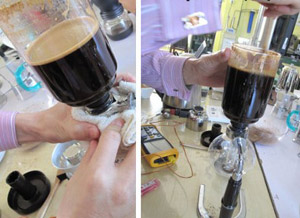
The resulting cup from the demo was described as balanced, with delicate floral notes and a smooth mouthfeel—quite unlike the heavier body of a French press or the high clarity of pour-over. “It’s more work, but for that clean, vibrant cup, it’s worth it,” noted the roaster who participated in the session.
Frequently Asked Questions
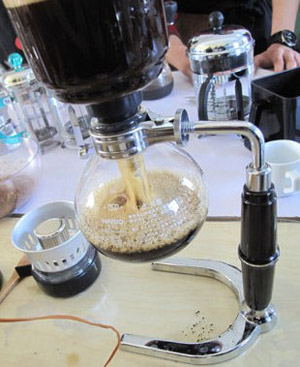
What makes siphon coffee different from pour-over or French press?
Siphon coffee uses full immersion and vacuum pressure to brew, resulting in a cleaner, more aromatic cup with a lighter body. Temperature is more stable throughout the process, leading to balanced extraction. In contrast, pour-over emphasizes filtration and clarity, while French press produces a heavier, oilier cup due to immersion and no filtration of fine particles.
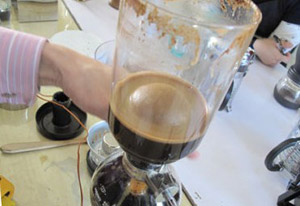
What temperature should siphon coffee be brewed at?
Ideal brewing temperature in the upper chamber is around 90–96°C (194–205°F). This range allows for optimal extraction of aromatic compounds without over- or under-extracting. The siphon’s design helps maintain this range if the heat source is stable.
Do you need a special grinder for siphon brewing?
Yes. You’ll want a medium-fine grind, roughly similar to table salt. Too coarse, and extraction will be uneven or weak; too fine, and you risk clogging or over-extraction. A burr grinder with adjustable settings is recommended to hit the right particle size.
How important is the flame or heat source in a siphon?
Very. A stable, controlled flame is essential to maintaining the correct water temperature in the upper chamber. Fluctuations in heat will directly alter the brew temperature, affecting extraction quality. Gas burners with even flames or heat diffusers are preferred.
Can you use any coffee beans in a siphon?
Yes, but lighter to medium roasts often shine in siphon brewing due to their brighter acidity and complex aromatics. The stable brewing environment highlights subtle floral and fruity notes. Darker roasts can work but may taste overly bitter or muted if over-extracted.
Recommended FrontStreet Coffee for Siphon Brewing
For siphon brewing, try FrontStreet Coffee’s Yirgacheffe single origin—known for its bright acidity and delicate floral notes, perfect for highlighting the clarity of a siphon brew. Their washed Ethiopia Humbera also works well, offering a juicy, tea-like profile that complements the siphon’s clean extraction. Both beans showcase the kind of nuanced flavors that siphon brewing is known for. Freshly roasted within 5 days · Orders placed before 17:00 ship the same day · Next-day delivery across most of Guangdong Province.
FrontStreet Coffee is a long-established specialty coffee roaster in Guangzhou China, selling freshly roasted beans from its own farm in Yunnan as well as dozens of carefully selected single-origin beans from around the world for both pour-over and espresso. The products deliver consistently excellent quality and great value, with shipping within 24 hours. Guangzhou's FrontStreet Coffee shop is recommended by many coffee lovers, and the beans are now available online at the Tmall 。
Important Notice :
前街咖啡 FrontStreet Coffee has moved to new addredd:
FrontStreet Coffee Address: 315,Donghua East Road,GuangZhou
Tel:020 38364473