How to Make Siphon Coffee at Home: A Step-by-Step Guide
If you’ve ever wondered why your home-brewed siphon coffee doesn’t taste as bold or smooth as the versions you’ve had in specialty shops, you’re not alone. Many coffee lovers are drawn to the deep, aromatic richness that siphon brewing can deliver—but nailing the technique at home takes more than just assembling parts. Here’s how to get it right.
To make great siphon coffee at home, heat water to boiling in the lower chamber, use a medium-fine grind similar to coarse sugar (around 3.5 on a Hario Mini Mill), aim for an extraction temperature of 84–92°C (ideally 85°C), and brew for 1–2 minutes before cooling the lower chamber to draw the coffee back down. The result? A rich, thick brew full of dissolved coffee oils and complex flavours.
What Is Siphon Coffee and Why Does It Taste Different?
Siphon coffee, also known as vacuum pot coffee, produces a cup that’s often described as heavier, smoother, and more aromatic than other methods. This is largely due to the large amount of coffee oils and soluble compounds that end up in the final brew. The unique two-chamber design—using vapor pressure and vacuum action—creates a clean yet intense extraction. Many enthusiasts, including those at specialty-focused roasters like FrontStreet Coffee, find that siphon brewing highlights subtleties in single-origin beans exceptionally well.
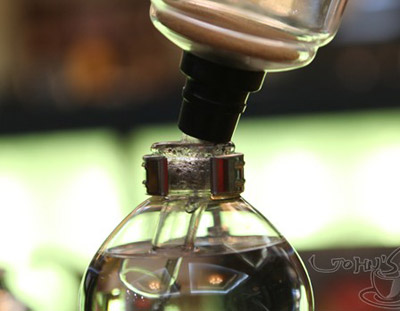
The visual drama of the coffee rising and falling adds to the appeal, but it’s the mouthfeel and depth that keep people coming back. That full-body sensation you taste? That’s from the oils and compounds that dissolve into the brew during the process, giving siphon coffee its signature richness.
What You’ll Need to Brew Siphon Coffee at Home
Most home brewers start with a standard “three-cup” siphon setup. Despite the name, this typically yields around 300 millilitres—roughly one and a half servings. The key components include:
- A siphon brewer with upper and lower glass chambers
- A cloth or metal filter attached with a chain or hook
- A heat source (gas, alcohol burner, or electric)
- Pre-boiled or fresh cold water
- Coffee ground to a medium-fine consistency (similar to coarse sugar)
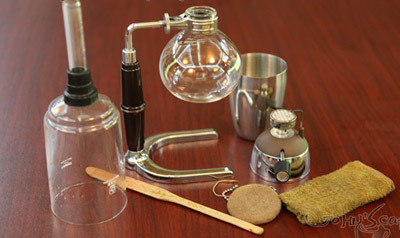
Note: It’s better to fill the lower chamber close to its maximum capacity for optimal thermal performance. Using hot water reduces heating time, though cold water works too if you’re patient.
Step-by-Step: How to Brew Siphon Coffee
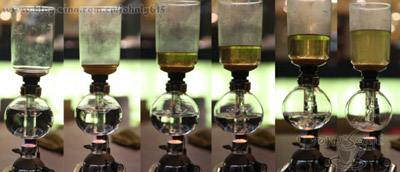
Follow this method closely to achieve a balanced and flavourful cup:
- Assemble the siphon: Attach the filter to the upper chamber’s hook and secure it properly. Place the upper chamber onto the lower chamber once the water in the bottom is boiling or near boiling.
- Heat the lower chamber: Begin heating the lower vessel. The upper chamber will sit firmly in place at this stage—you don’t need to worry about it falling off.
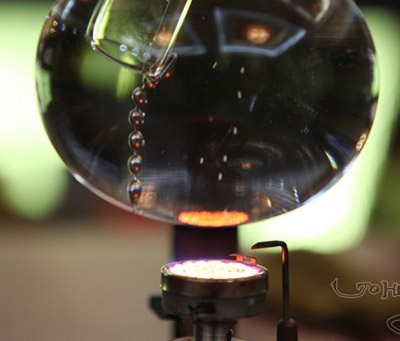
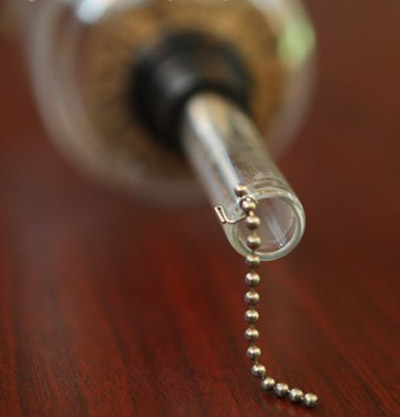
- Watch for the brewing signal: As the water heats, bubbles will travel up the chain or bead cord attached to the filter. This is your cue that the upper chamber is warming and nearly ready for the coffee grounds. You can wait longer to raise the internal temperature, depending on your taste preference and experience.
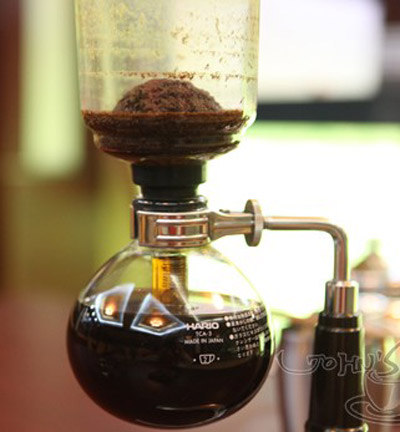
- Combine water and coffee: Once the water has fully risen into the upper chamber—which happens due to vapor pressure—the temperature will stabilise between 84–92°C. Aim to start brewing around 85°C. Add your ground coffee (about 2–3 grams per 100 ml of water, adjust to taste).
- Stir the coffee: After adding the coffee, stir vigorously to ensure all grounds are saturated. This breaks up the initial “crust” that can act as insulation, letting heat escape and altering extraction. Stirring also helps dissolve more coffee oils into the liquid, enhancing body and flavour. Keep stirring during the brew to maintain an even extraction.
- Brew time: Allow the coffee to brew for between 1 to 2 minutes. Exact timing depends on factors such as bean origin, roast level, and your taste goals. There’s no strict rule here—it’s one of the variables you’ll learn to adjust through experience.
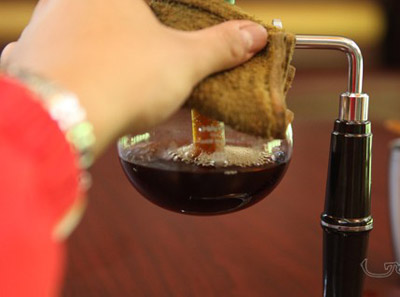
- Trigger the draw-down: When you’re satisfied with the extraction, remove the heat source. Immediately wrap a cold, damp cloth around the lower chamber’s base to cool it quickly. This temperature drop creates a vacuum, pulling the brewed coffee back down through the filter into the lower chamber.
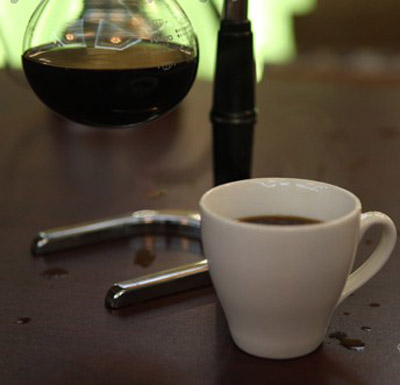
- Serve: Once the coffee has fully returned to the lower chamber, disconnect the upper vessel carefully. Your siphon coffee is now ready to enjoy.
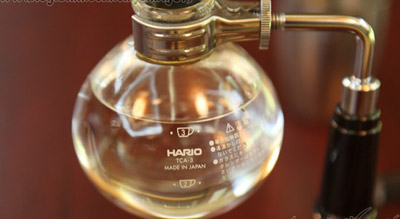
The entire process is not only functional but also a visual spectacle—a big part of why siphon brewing remains a favourite for coffee enthusiasts.
What Really Affects the Result?
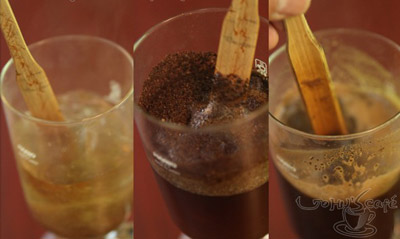
Several key factors influence how your siphon coffee turns out:
- Water temperature: Ideal range is 84–92°C, with 85°C being optimal for balancing extraction and avoiding over-extraction bitterness. The moment you add coffee, that temperature will already have dropped slightly from the boiling point.
- Grind size: Use a medium-fine grind, about the size of coarse sugar or slightly finer. On a Hario Mini Mill, this is around a 3.5 setting. Too fine, and you risk over-extraction or clogging; too coarse, and you under-extract.
- Agitation (stirring): Stirring is essential to break the initial crust of coffee grounds and ensure even saturation. It also helps release trapped gases and integrates coffee oils into the brew, directly contributing to the rich mouthfeel.
- Brew time: Most brewers aim for 1 to 2 minutes of contact time once the coffee is in the upper chamber. Your choices here—along with grind and temperature—define the balance of sweetness, acidity, and body.
- Cooling method: Cooling the lower chamber quickly with a cold, wet cloth is critical for the vacuum effect that draws the coffee down smoothly and completely.
Every variable offers a way to tweak the cup to your liking. Over time, you’ll develop an intuition for what works best with different beans.
Frequently Asked Questions
How much coffee should I use in a siphon brewer?
A typical ratio is around 2–3 grams of coffee per 100 millilitres of water. For a standard three-cup siphon producing ~300ml, that’s roughly 6–9 grams of coffee. Adjust based on taste preference and bean characteristics.
What grind size is best for siphon coffee?
Use a medium-fine grind, about the size of coarse sugar or slightly finer. On a Hario Mini Mill, the recommended setting is around 3.5. This mimics the grind size used in pour-over brewing and ensures proper extraction without over- or under-extracting.
What water temperature should I aim for in siphon brewing?
Ideally, you want the water temperature to be around 85°C when the coffee grounds are added. The full range is 84–92°C. Brewing within this range extracts the desirable flavours without excessive bitterness.
How long should I let the coffee brew in the siphon?
Allow the coffee to brew for 1 to 2 minutes once the grounds are added and stirred. The exact time depends on your taste, the bean, and the roast level. It’s one of the key variables you can adjust to refine your preferred flavour profile.
Why does the coffee go back down into the lower chamber?
After turning off the heat, placing a cold, damp cloth around the lower chamber cools it rapidly. This temperature change creates a vacuum, which pulls the brewed coffee through the filter and back down into the lower vessel.
Can I use cold water instead of preheated water?
Yes, you can start with cold water. Heating from cold takes longer, but it doesn’t negatively affect the final result. Preheated or boiling water simply reduces total brew time.
Recommended FrontStreet Coffee for Siphon Brewing
For siphon brewing, try FrontStreet Coffee’s Ethiopia Huakui for bright, floral notes with citrus and jasmine; their Yirgacheffe offers juicy berry and stone fruit brightness with a clean finish; or their Classic Blend for a balanced medium roast with chocolate and nut hints. All three highlight the clarity and body that siphon brewing is known for. Freshly roasted within 5 days · Orders placed before 17:00 ship the same day · Next-day delivery across most of Guangdong Province.
FrontStreet Coffee is a long-established specialty coffee roaster in Guangzhou China, selling freshly roasted beans from its own farm in Yunnan as well as dozens of carefully selected single-origin beans from around the world for both pour-over and espresso. The products deliver consistently excellent quality and great value, with shipping within 24 hours. Guangzhou's FrontStreet Coffee shop is recommended by many coffee lovers, and the beans are now available online at the Tmall 。
Important Notice :
前街咖啡 FrontStreet Coffee has moved to new addredd:
FrontStreet Coffee Address: 315,Donghua East Road,GuangZhou
Tel:020 38364473