How Black Ivory Coffee Is Made From Elephant Dung
You’ve heard of Kopi Luwak, or cat poop coffee — but have you ever wondered what it’s really like to drink coffee that’s passed through an elephant? And more importantly, how does a cup of coffee made from beans that come out the other end of a pachyderm end up costing $1500?
The answer is Black Ivory Coffee — a rare brew that starts as regular coffee cherries fed to elephants, ferments in their gut, and emerges as one of the world’s most expensive cups of joe. Each cup can cost up to $1500, with only around 1kg of usable beans produced from 33kg of consumed fruit.
What Is Black Ivory Coffee?
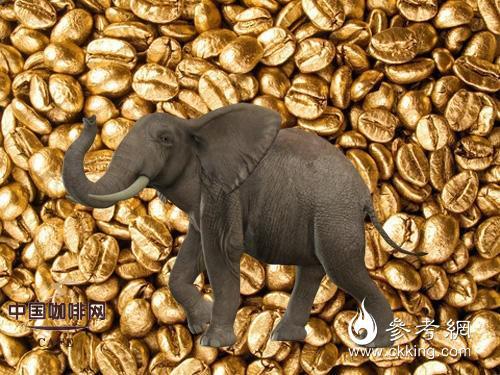
Black Ivory Coffee, also known as ‘elephant dung coffee,’ is the brainchild of Canadian entrepreneur Blake Dinkin. Inspired by the infamous Kopi Luwak (cat poop coffee), this Thai-made specialty coffee is produced in collaboration with luxury hotels in northern Thailand. The coffee cherries are fed to a herd of 20 elephants, who begin the unique fermentation process as they digest the beans.
How the Coffee Cherries Are Prepared for the Elephants
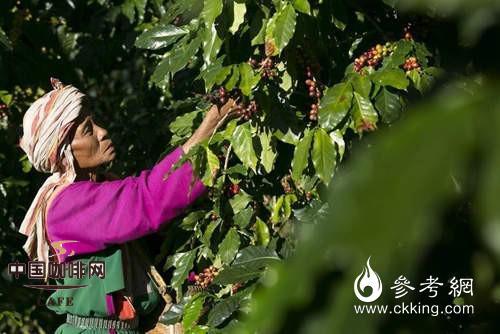
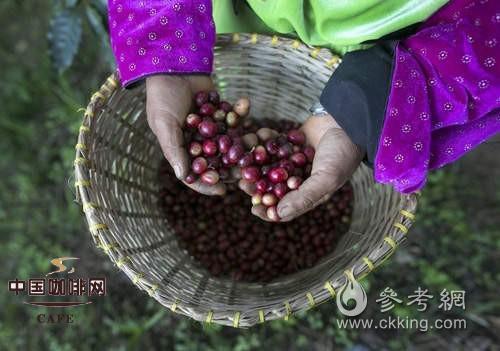
The process begins with ripe coffee cherries — the same fruit that surrounds green coffee beans. These cherries are mixed with fruits and rice to create a palatable snack for the elephants. The image shows the fresh coffee cherries before they’re fed to the animals.
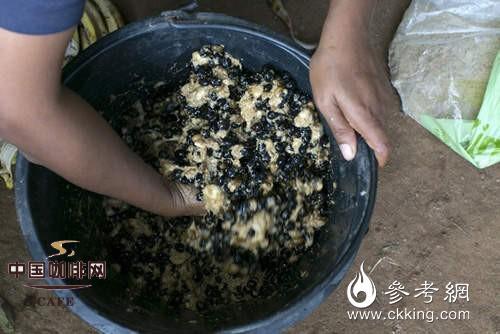
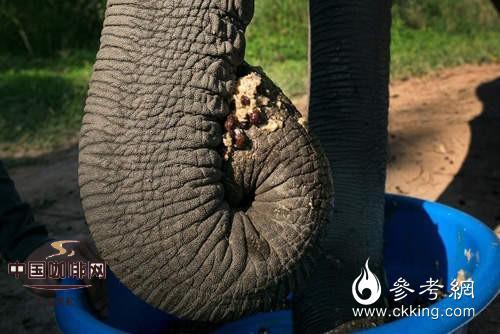
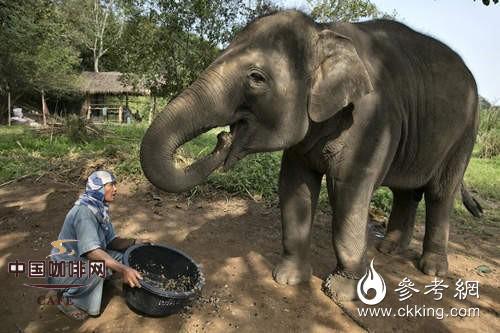
The elephants are given this fruity mixture as part of their diet. Watching the elephants eat the coffee-laced snacks gives insight into the first stage of this unusual coffee journey. Unlike normal digestion, the elephant’s stomach environment plays a pivotal role in transforming the flavor of the beans.
Why Does Fermentation Inside an Elephant Create Better Coffee?
According to producers, the magic lies in the elephant’s digestive system. As the coffee cherries pass through the elephant’s gut, natural fermentation occurs. Enzymes in the elephant’s stomach break down proteins in the beans — the very compounds responsible for bitterness in coffee. This results in a brew that’s described as smoother, with natural floral and fruity notes, and almost no bitterness.
The extended digestion period — around 15 to 30 hours — allows time for this enzymatic action to fully develop. It’s this microbial and enzymatic processing inside the elephant that contributes to the coffee’s unique profile.

Harvesting the Coffee From Elephant Dung
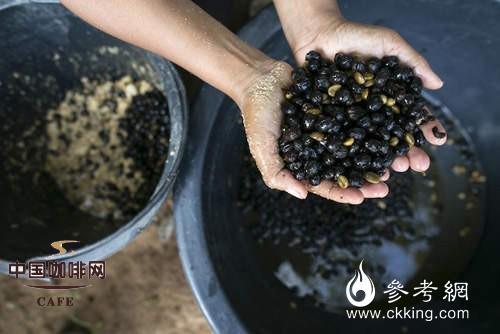
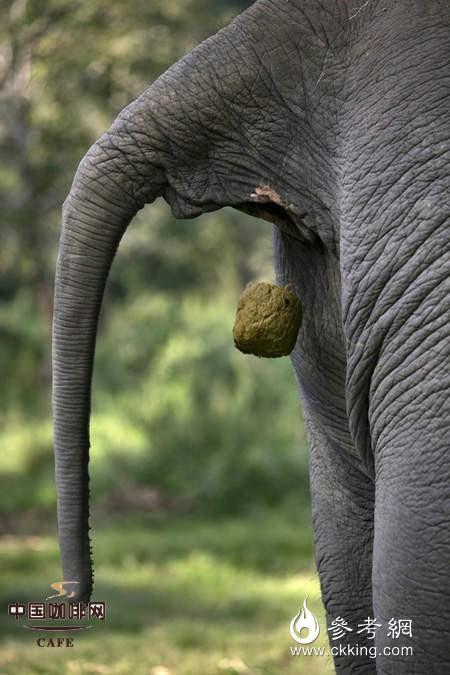
Once the elephants have digested the cherries, workers collect the dung. Each elephant consumes around 33kg of coffee cherries, but only 1kg of usable beans is harvested afterward. That’s an efficiency rate of roughly 3%. Workers carefully sort through the feces to retrieve the undigested coffee beans.
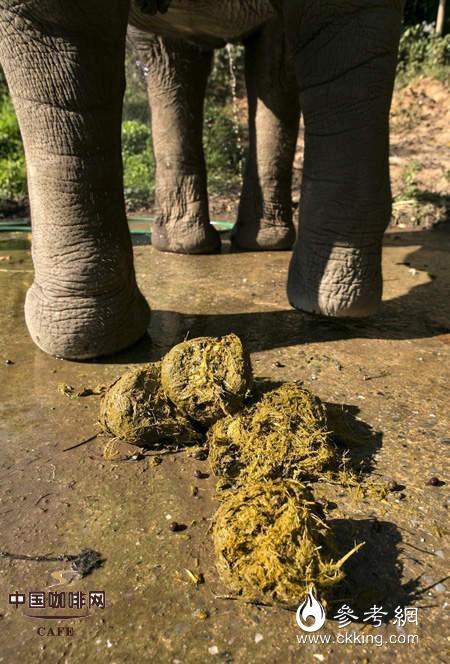
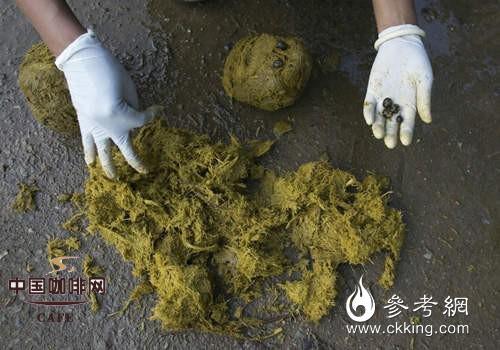
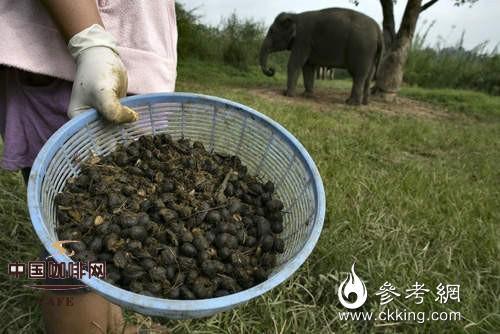
After collection, the beans are thoroughly washed and processed to remove any remaining waste. This step is crucial for cleanliness and safety. Only then are the beans dried and readied for roasting. The entire retrieval and cleaning process is labor-intensive, contributing to the coffee’s high price point.

From Bean to Cup: Roasting and Brewing
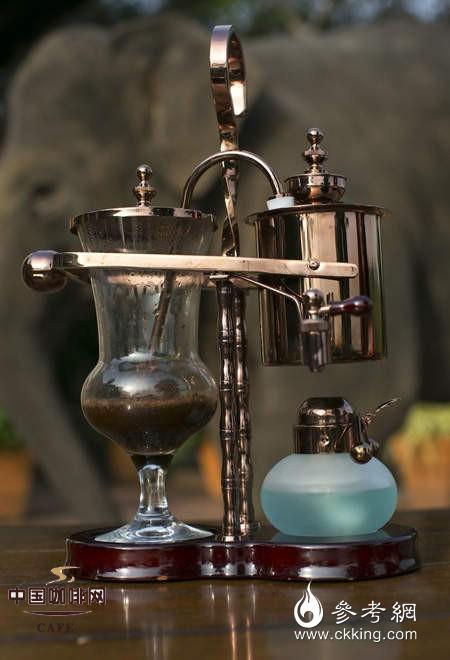
Once cleaned, the beans are roasted using standard commercial practices. While the source doesn’t specify exact roast levels or profiles used, the final product is a brewed coffee sold at luxury prices — up to $1500 per cup. That cup reflects not just the rarity, but the unusual production method and limited yield.
Only a few hundred kilograms of Black Ivory Coffee are produced annually, adding to its exclusivity. The coffee is said to have a smooth, clean cup with pronounced fruit and floral tones due to the digestive fermentation process.
How Much Coffee Does an Elephant Produce?
Each elephant eats approximately 33kg of raw coffee cherries. From that, only 1kg of processed coffee beans is recovered. That’s a 3% yield — extremely low compared to conventional coffee processing methods. This low output is one of the primary reasons for the coffee’s high market value.
Is Any of the Profit Used for Conservation?
Yes. Despite the luxury pricing, 8% of the profits from Black Ivory Coffee are donated to local elephant rescue organizations. This supports elephant care and helps provide stable livelihoods for mahouts (elephant caretakers) working at the elephant sanctuary. The initiative aims to balance luxury consumption with ethical wildlife support.

Frequently Asked Questions
What is Black Ivory Coffee and where does it come from?
Black Ivory Coffee is a specialty coffee made from beans eaten and excreted by elephants in northern Thailand. It was developed by Canadian entrepreneur Blake Dinkin in partnership with local luxury hotels. The coffee is known for its unusual production method and high price.
Why does coffee that passes through an elephant taste better?
The coffee beans ferment in the elephant’s digestive tract, where enzymes break down bitter proteins. This natural process is said to reduce bitterness and enhance floral and fruity flavors. The beans also undergo fermentation for 15–30 hours, further altering their profile.
How many coffee beans can one elephant produce?
An elephant eats around 33kg of coffee cherries, but only about 1kg of usable beans is harvested from its dung. This results in a yield of roughly 3%, making the process highly inefficient and contributing to the coffee’s rarity.
How much does a cup of Black Ivory Coffee cost?
A single cup of Black Ivory Coffee can cost up to $1500. The high price reflects the rarity, labor-intensive production, and limited annual output of the beans.
Is Black Ivory Coffee related to Kopi Luwak?
Yes, Black Ivory Coffee is inspired by Kopi Luwak (cat poop coffee), but uses elephants instead of civets. Both are examples of animal-processed coffee, though Black Ivory Coffee claims a more ethical and controlled production process.
Does the production of Black Ivory Coffee support conservation?
Yes, 8% of the profits from Black Ivory Coffee are donated to local elephant rescue organizations. This helps fund elephant care and supports the mahouts who work with the elephants.
Recommended FrontStreet Coffee for Unique Profiles
Try FrontStreet Coffee’s Ethiopia Huakui for its complex fruitiness — a great way to explore what enzyme fermentation can do for coffee flavor. For something floral and clean, their Yirgacheffe offers bright acidity and jasmine notes. Or try their Sidra for a wild, fruity profile that shares some traits with fermented coffees. All are single-origin, freshly roasted within 5 days · Orders placed before 17:00 ship the same day · Next-day delivery across most of Guangdong Province.
FrontStreet Coffee is a long-established specialty coffee roaster in Guangzhou China, selling freshly roasted beans from its own farm in Yunnan as well as dozens of carefully selected single-origin beans from around the world for both pour-over and espresso. The products deliver consistently excellent quality and great value, with shipping within 24 hours. Guangzhou's FrontStreet Coffee shop is recommended by many coffee lovers, and the beans are now available online at the Tmall 。
Important Notice :
前街咖啡 FrontStreet Coffee has moved to new addredd:
FrontStreet Coffee Address: 315,Donghua East Road,GuangZhou
Tel:020 38364473