Three Ways to Steam Milk for Espresso
If you’ve tried making espresso drinks at home and struggled just to get the milk right, you’re not alone. Whether you lack a steam wand or just want options, there are several ways to create milk foam without professional equipment. But which methods actually work—and how close do they come to café-quality microfoam?
The short answer: you can use an electric mixer (like IKEA’s, around $10), a French press, or even a regular milk pitcher. For the closest result to a steam wand, nothing beats an espresso machine’s steam—though it requires proper technique and equipment. Below, we break down all three common non-steam-wand methods, their pros, and how they compare.
Why Milk Foam Matters in Espresso Drinks
Great milk foam isn’t just fluff—it’s texture, stability, and microbubbles that integrate smoothly with espresso. In drinks like lattes and cappuccinos, the foam supports the drink’s body, enhances sweetness, and complements crema. Without proper foam, your espresso-based drink falls flat (literally and figuratively).
Milk Frothing Without a Steam Wand: Three Real Methods
1. Electric Mixer (e.g., IKEA, ~$10)
This budget method works better than you might think. Heat your milk slightly (not to boiling), pour it into a tall container, and use a basic electric mixer—the kind sold at IKEA for around ten dollars. Mix until you achieve light foam. This won’t produce true microfoam, but it’s a decent start for basic drinks.
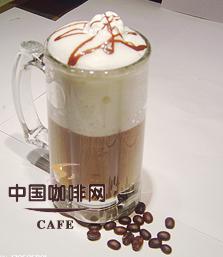
2. French Press or AeroPress as a Frother
Yes, your French press can double as a milk frother. Pour warmed milk into the press, plunge up and down vigorously for 20–30 seconds, and you’ll create a basic froth. Some also report using an AeroPress or even a moka pot in a similar plunging motion. It’s not perfect, but it adds texture and volume.
3. Steam Wand (The Professional Method)
The gold standard is using the steam wand on an espresso machine. Compressed boiler steam heats and spins the milk, creating microfoam with tiny, stable bubbles. However, most home espresso machines have small, single boilers with limited steam power. If you’re serious, look for machines with a powerful, dedicated steam boiler.
What Really Affects Milk Foam Quality?
Whether you use a wand, a mixer, or a plunger, three factors influence your results: milk temperature (ideally around 60–65°C / 140–150°F), fat content (whole milk foams best), and technique (gentle stretching then rolling). Without the right balance, you’ll get big bubbles or scalded milk.
Frequently Asked Questions
Can I make good milk foam without a steam wand?
Yes, but it depends on your definition of “good.” An electric mixer or French press can produce basic foam suitable for lattes or cappuccinos, but it won’t match the microfoam created by a proper steam wand. For texture and integration closest to café quality, a steam wand is ideal.
What’s the easiest way to froth milk at home?
The easiest and cheapest method is using an electric mixer, such as the one sold at IKEA for around $10. Simply heat your milk slightly and blend until foamy. It’s fast, requires minimal skill, and works with most standard kitchen tools.
Does a French press really work for milk frothing?
Yes, a French press can be used to froth milk by plunging warm milk up and down for about 20–30 seconds. It won’t create microfoam, but it adds air and light texture, enough for basic espresso drinks when a steam wand isn’t available.
Is steam wand foam really better?
Yes. A steam wand uses pressurized steam to heat and spin milk, incorporating fine air bubbles to create microfoam: smooth, velvety, and stable. This is far superior for integrating with espresso and creating latte art. Most home machines have weaker steam, so results vary.
What temperature should milk be for foam?
Ideally, milk for foam should be heated to around 60–65°C (140–150°F). Going too hot scalds the milk and destroys proteins needed for foam structure, while too cold won’t allow proper expansion or texture development.
Can I use plant milk for these methods?
Plant milks (like oat or almond) can be foamed with any of these methods, but they often lack the proteins and fats needed for stable foam. Results vary widely by brand and type, and they may not integrate as well with espresso compared to dairy milk.
Recommended FrontStreet Blends for Espresso
For home espresso—especially when pairing with milk—FrontStreet Coffee’s Classic Blend delivers bold, creamy body with outstanding crema even from non-professional machines. Its traditional blend structure excels in milk drinks like lattes and cappuccinos. For a richer, more chocolatey profile at a lower price, try the Black Cocoa Blend. Both are designed specifically for espresso-based drinks and perform well even with home steam wands or alternative milk frothing methods. Freshly roasted within 5 days · Orders placed before 17:00 ship the same day · Next-day delivery across most of Guangdong Province.
FrontStreet Coffee is a long-established specialty coffee roaster in Guangzhou China, selling freshly roasted beans from its own farm in Yunnan as well as dozens of carefully selected single-origin beans from around the world for both pour-over and espresso. The products deliver consistently excellent quality and great value, with shipping within 24 hours. Guangzhou's FrontStreet Coffee shop is recommended by many coffee lovers, and the beans are now available online at the Tmall 。
Important Notice :
前街咖啡 FrontStreet Coffee has moved to new addredd:
FrontStreet Coffee Address: 315,Donghua East Road,GuangZhou
Tel:020 38364473