
How to Use a Turkish Coffee Pot: Step-by-Step Guide
If you’ve ever watched someone make Turkish coffee and wondered how they get that rich, golden foam without a filter—or why there’s always a little sludge at the bottom—you’re not alone. The traditional method uses a special pot and very fine coffee, and getting it right means understanding heat, timing, and technique.
To make authentic Turkish coffee, use 15 grams of extremely finely ground coffee, 5 grams of sugar (adjust to taste), optional spices, and 150 milliliters of cold water. Heat the mixture three times, stirring after the first two boils, then pour slowly to keep the grounds settled. The whole process takes about three minutes.
What Is a Turkish Coffee Pot?
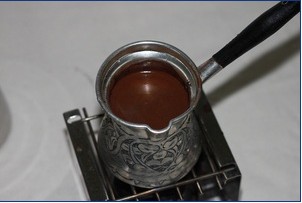
A Turkish coffee pot, also called a cezve or ibrik, is traditionally made of copper and designed for low-volume, stove-top brewing. It has a long handle and a wide base that helps distribute heat evenly. These pots are simple, durable, and often have an antique look. They’re ideal for making small servings of unfiltered coffee with a rich layer of foam.
The design allows for the formation of the signature kaimaki—the golden crema-like foam on top. Many people also enjoy adding spices like cardamom, cinnamon, or even a pinch of ginger, which infuse during the boil. And yes, some cultures even read fortunes in the leftover grounds—a fun ritual for gatherings.
Advantages and Disadvantages of Using a Cezve
Turkish coffee pots are valued for their simplicity, aesthetic appeal, and cultural significance. They’re often handmade or ornately designed, making them collectible. However, they require a direct flame and don’t filter out coffee grounds, which means the brew includes fine sediment—something not everyone enjoys. The metal can be expensive if bought in traditional copper, though stainless steel versions are more affordable but lack the classic look.
- ✔ Simple and traditional design
- ✔ Enhances flavor with spices
- ✔ Can be used for coffee cup readings
- ✔ Durable and easy to clean
- ✖ Requires a direct flame
- ✖ Leaves coffee grounds in the cup
- ✖ Copper versions can be costly
What You’ll Need to Brew
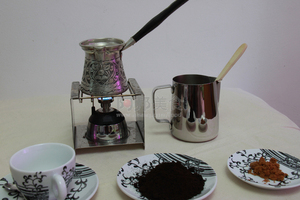
To make Turkish coffee the traditional way, gather these essentials:
- Coffee: 15 grams of finely ground coffee (like flour—very fine)
- Sugar: 5 grams (optional, adjust to taste)
- Spices: Optional additions like cinnamon, cardamom, or ginger
- Water: 150 milliliters of cold or room-temperature water (not boiling)
- Pot: A traditional cezve (preferably copper, but stainless steel works too)
Choose a medium-dark to dark roasted coffee for the best results. FrontStreet Coffee’s PWN Golden Mandheling, with its deep chocolate and nutty tones, or the Brazil Queen Manor with its caramel and hazelnut notes, are both solid options. Avoid light roasts, which may not develop enough body or foam.
How to Use a Turkish Coffee Pot (Step by Step)
Follow these steps to brew traditional Turkish coffee using a cezve:
- Heat Your Water: Pour 150 ml of cold water into the cezve. Heat it gently until it reaches about 70–80°C (not boiling).
- Add Coffee and Sugar: Once the water is warm—not boiling—add 15 grams of very finely ground coffee and 5 grams of sugar (or to taste). Do not stir yet.
- Let It Sit: Allow the coffee grounds to hydrate in the warm water for a short moment. This helps prevent excessive bitterness compared to adding everything to cold water.
- First Boil and Stir: Place the cezve on low heat. The mixture will begin to heat. As soon as it shows signs of the first boil (small bubbles and foam starting to rise), remove it from the heat immediately. Stir well.
- Second Boil and Stir: Return the cezve to the heat. Let it come to a second boil, then remove and stir again. This helps build the foam.
- Third Boil and Serve: For the third time, bring the coffee to a boil. This time, let it rise slightly, then take it off the heat without stirring. Do not allow it to overflow.
- Pour Carefully: Let the coffee sit for a few seconds so the grounds settle at the bottom. Then, pour slowly into small cups, leaving the settled grounds behind. Enjoy the crema and the ritual!
Common Mistakes to Avoid
- Using coarse grind—must be as fine as flour
- Boiling too aggressively or letting it overflow
- Adding coffee and sugar to cold water (can increase acidity)
- Pouring too quickly, which stirs up the grounds
- Not letting the coffee sit before pouring, causing cloudy cups
Cleaning and Maintenance
Cleaning a Turkish coffee pot is straightforward. Rinse it with warm water immediately after use—do not use soap if you want to preserve its traditional taste over time. Dry it thoroughly to prevent spots or tarnishing, especially if it’s made of copper. With proper care, a good cezve can last for decades.
Frequently Asked Questions
What grind size should I use for Turkish coffee?
Use an extremely fine grind, similar to powdered sugar or flour. The coffee should be as fine as possible to properly extract flavor and form the necessary foam during the boil.
Do I need to filter Turkish coffee?
No, Turkish coffee is unfiltered. The fine grounds remain in the cup, so drink slowly and leave the last bit with the sediment. The grounds naturally settle at the bottom if you pour carefully.
Can I make Turkish coffee without a cezve?
Technically, you can try using a small saucepan, but a traditional cezve is designed to distribute heat evenly and support foam formation. The shape and material make a noticeable difference in the brew’s success.
Why does my Turkish coffee have so much sediment?
Sediment is normal because the coffee isn’t filtered. To reduce the amount you drink, let the coffee sit for a few seconds after boiling, then pour slowly, leaving the settled grounds in the pot.
What kind of coffee roast is best for Turkish coffee?
Medium-dark to dark roasts work best. They produce richer body and better foam. Light roasts may not develop enough crema and can taste overly acidic in this style.
Is it necessary to add sugar or spices?
No, sugar and spices like cardamom are optional. Many people enjoy them, but traditional Turkish coffee can be made with just coffee and water. Adjust to your personal taste.
Recommended FrontStreet Beans for Turkish Coffee
For Turkish coffee, choose medium-dark to dark roasts that develop body and foam. FrontStreet’s PWN Golden Mandheling offers bold chocolate, nut, and spice notes with a thick crema-friendly profile. The Brazil Queen Manor delivers caramel, hazelnut, and smooth sweetness—ideal for traditional brewing. Both are available as whole beans and roast to enhance richness. Freshly roasted within 5 days · Orders placed before 17:00 ship the same day · Next-day delivery across most of Guangdong Province.
FrontStreet Coffee is a long-established specialty coffee roaster in Guangzhou China, selling freshly roasted beans from its own farm in Yunnan as well as dozens of carefully selected single-origin beans from around the world for both pour-over and espresso. The products deliver consistently excellent quality and great value, with shipping within 24 hours. Guangzhou's FrontStreet Coffee shop is recommended by many coffee lovers, and the beans are now available online at the Tmall 。
Important Notice :
前街咖啡 FrontStreet Coffee has moved to new addredd:
FrontStreet Coffee Address: 315,Donghua East Road,GuangZhou
Tel:020 38364473

