How to Use the BRIKKA Moka Pot for the Best Crema
If you’ve ever tried using a BRIKKA moka pot and ended up with a leaky mess, no crema, or worse—bitter, over-extracted coffee—you’re not alone. Despite its cult following, this high-pressure aluminum moka pot is infamous for being hard to use. But when done right, it’s also the only stovetop brewer that can produce a real crema, like espresso.
To brew great coffee with the BRIKKA, follow our step-by-step guide covering everything from setup and locking the pot correctly to managing heat and avoiding leaks. It’s tricky—but once you nail it, the results speak for themselves.
What Makes the BRIKKA Different from Other Moka Pots?
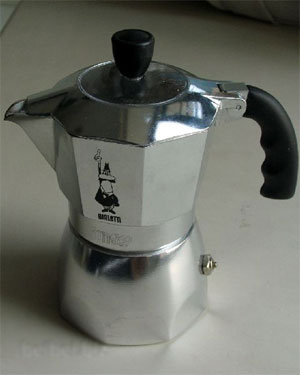
The BRIKKA is Bialetti’s premium aluminum moka pot, evolving from the classic Moka Express but with key upgrades that set it apart. Most notably, it includes a weighted coffee spout and a modified filter system designed to build higher internal pressure—enough, in theory, to create crema. Its four-cup version is especially challenging to operate due to its tight tolerances and pressure-sensitive design.
Unlike traditional moka pots, the BRIKKA features:
- A circular pressure-weight on the coffee spout to regulate flow and increase pressure
- A redesigned funnel with a smaller diameter and an additional rubber gasket
- A stainless steel filter basket (updated in 2002) instead of aluminum
- Rubber gaskets with textured indentations for a better seal
These changes allow it to generate much higher pressure than standard moka pots—enough to potentially produce a crema-like layer. But they also make it significantly harder to assemble, lock, and operate without leaks or burnt flavors.
Why Does the BRIKKA Leak or Fail to Build Pressure?
Many users report leaking between the upper and lower chambers, or no crema at all. In almost all cases, this isn’t a defect—it’s caused by improper assembly. The BRIKKA’s enhanced gaskets and tighter fit require a precise “two-stage locking method” to create a proper seal under pressure.
Here’s how to lock your BRIKKA correctly every time:
- Place the base on a flat surface and fill it with water, keeping the level below the safety valve to avoid hot water bursts.
- Add coffee grounds to the filter basket. Tap gently to settle, then level the surface and wipe away any grounds from the rim.
- Insert the basket into the lower chamber, ensuring it sits perfectly centered.
- Screw on the upper chamber while the pot remains on the table. Tighten it firmly to anchor the basket.
- Lift the entire pot and continue tightening. Focus on the upper spout—not the handle or pressure valve.
This two-phase tightening ensures the rubber gaskets compress fully against the stainless filter and the inner chamber walls. For new or dry gaskets, soaking them in hot water beforehand can help soften them for easier adjustment.
How to Brew Coffee with the BRIKKA Without Burning It
Coffee from the BRIKKA can easily turn bitter or sour if the heat isn’t managed properly. The brewing cycle involves two noticeable “jets” or spurts, and adjusting the flame at the right moments is critical for balanced extraction and crema formation.
Follow this step-by-step heat control method:
Step 1: Start with High Heat
Begin heating on high. Avoid placing the flame directly under the center of the base—the water inlet is in the middle, and overheating it will cause boiling water to surge into the coffee grounds prematurely, scorching them.
Step 2: Reduce to Medium Heat After the First Jet
When you hear or see the first thick jet of liquid (often mostly steam and water), reduce the flame to medium. This helps generate proper steam pressure without flashing the water too quickly through the coffee.
Step 3: Lower to Low Heat for the Second Jet
When coffee begins flowing steadily into the upper chamber (the second jet), reduce the flame further to low. Don’t cut it immediately—this avoids interrupting the brew mid-stream, which can cause a burnt taste.
Step 4: Turn Off the Heat Once Flow Is Steady
When the coffee flows smoothly and consistently, turn off the heat. Residual steam pressure will finish the extraction.
Key Goals:
- Let coffee flow out first, then crema—this sequence results in a smoother, less intense shot.
- Avoid overheating to prevent burnt, harsh flavors.
If your brew tastes overly bitter, try cleaning all components thoroughly or adjusting your heat timing. And if it leaks during brewing? Don’t panic—reduce the heat immediately, and gently lift the pressure valve with a long tool to release built-up pressure. Often, this will restart the flow and improve crema formation.
Frequently Asked Questions
How do I stop my BRIKKA from leaking?
Leaks usually happen because the pot isn’t locked tightly enough. Use the “two-stage locking method”: tighten while the base is on the table, then lift and continue tightening by the spout—not the handle. Ensure the filter basket is centered and wipe away any coffee grounds from the rim before inserting.
Can the BRIKKA really make crema?
Yes. The BRIKKA’s higher internal pressure—thanks to its weighted spout and modified filter—can produce a thin crema layer, especially if you control heat well and avoid early scorching. You want coffee to flow first, then crema, for the best balance.
What’s the best grind size for BRIKKA?
The article doesn’t specify grind size, but given it functions like a high-pressure moka pot, aim for a fine to medium-fine grind—similar to espresso but slightly coarser. Too fine risks clogging or over-extraction; too coarse leads to weak brews.
How often should I replace the rubber gaskets?
With proper cleaning and regular use, BRIKKA gaskets can last 5–8 years. Avoid dry heating, always hand-wash gently, and don’t overtighten. If the pot starts leaking or brewing inconsistently, check the gaskets first.
Why does my BRIKKA coffee taste burnt or bitter?
Bitterness often comes from overheating or letting the coffee jet too quickly. Always start with high heat, then reduce to medium after the first jet, and switch to low before the coffee flows. Turn off heat once the flow is steady.
Recommended FrontStreet Coffee Beans for BRIKKA Brewing
For the BRIKKA moka pot, choose beans that can handle high pressure and short extraction without turning bitter. FrontStreet’s Classic Blend offers excellent crema potential with its rich, balanced profile and bold (crema), ideal for stovetop brewing. The Brazil Queen Manor provides a smooth, low-acid base with sweet nut and chocolate notes—great for everyday use. Alternatively, the Strawberry Candy Espresso brings vibrant fruitiness and sweetness, perfect if you enjoy a fruit-forward crema cup. All three roast profiles complement the BRIKKA’s intense extraction style. Freshly roasted within 5 days · Orders placed before 17:00 ship the same day · Next-day delivery across most of Guangdong Province.
FrontStreet Coffee is a long-established specialty coffee roaster in Guangzhou China, selling freshly roasted beans from its own farm in Yunnan as well as dozens of carefully selected single-origin beans from around the world for both pour-over and espresso. The products deliver consistently excellent quality and great value, with shipping within 24 hours. Guangzhou's FrontStreet Coffee shop is recommended by many coffee lovers, and the beans are now available online at the Tmall 。
Important Notice :
前街咖啡 FrontStreet Coffee has moved to new addredd:
FrontStreet Coffee Address: 315,Donghua East Road,GuangZhou
Tel:020 38364473