How to Brew Single Origin Coffee with a Pour-Over
If you’ve ever wanted a straightforward way to brew great-tasting single origin coffee at home without complicated gear, a pour-over method using a dripper like the V60 or a three-hole filter cone might be your answer. It’s fast, clean, and gives you control over every variable—from grind size to water flow.
The simplest way to brew a single cup is with 10–15g of medium-ground coffee and 120ml of hot water. Adjust the dose up or down depending on whether you prefer a lighter or stronger brew.
What You Need for a Simple Pour-Over Setup
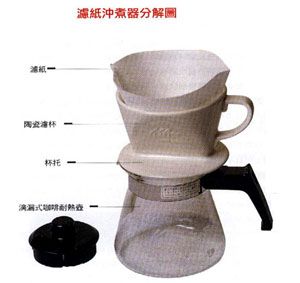
To start brewing single origin coffee with a pour-over, you’ll need a dripper—either a one-hole or preferably a three-hole design, or a common V60 cone. A gooseneck kettle with a narrow spout helps you pour water precisely over the coffee bed. Use a paper filter that fits your dripper, and a cup or server to catch the brewed coffee.
Both one-hole and three-hole drippers work, but three-hole designs (like certain plastic or metal cones) offer more even extraction. The V60, with its distinctive 60-degree cone angle and single large hole, is especially popular for highlighting the bright, nuanced flavours of single origin beans.
Why Grind Size, Dose, and Water Matter
The key variables in pour-over brewing are coffee dose, grind size, water volume, and pouring technique. For a standard single serving, use 10–15g of medium-ground coffee and 120ml of water. Those who prefer a milder cup can use 10g, while 15g will produce a stronger, more intense brew—especially if you let it bloom longer.
The grind should be medium, roughly similar to table salt. Too fine, and extraction slows; too coarse, and you risk under-extracting. Your water should be just off the boil, around 90–96°C, to properly extract the coffee’s aromatics and acids without scorching the grounds.
Step-by-Step: Brewing Single Origin Coffee via Pour-Over
Follow these steps for a clean, well-balanced cup using a pour-over dripper:
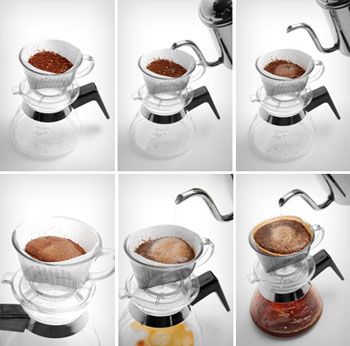
- Fold the filter paper along its seam and place it in your dripper. Rinse it with hot water to remove paper taste and preheat your server—then discard the rinse water.
- Add 10–15g of medium-ground coffee to the filter. Level the surface gently with a spoon or your finger.
- Start your timer. Begin pouring hot water (around 90–96°C) from the centre in slow spirals, saturating all the grounds evenly. Use about 20–30ml to start.
- Let the coffee bloom for about 20 seconds. This allows trapped CO₂ to escape, improving extraction.
- After the bloom, continue pouring in stages. Slowly add water in a controlled spiral motion, keeping the water level between seven- and eight-tenths full in the dripper. Aim for a total of 120ml.
- Stop pouring once you’ve reached your target brew volume. Avoid letting all the dripping coffee finish, as the last few drops can sometimes carry unwanted flavours.
Choosing the Right Dripper for Your Needs
Not all drippers are created equal. A three-hole dripper offers more balanced flow than a single-hole version, reducing the chance of over- or under-extraction. The Hario V60, with its wide 60° cone and solitary large hole, lets you control flow rate with your pour speed, making it ideal for highlighting the delicate acids and floral or fruity notes often found in single origin coffees.
V60s come in various materials—plastic, ceramic, glass, metal—but all share the same internal geometry. Many home brewers prefer resin or ceramic for their balance of heat retention and weight.
Frequently Asked Questions
How much coffee and water should I use for one cup?
Use 10–15g of medium-ground coffee and 120ml of water for a standard single serving. Adjust the coffee dose down to 10g for a milder cup or up to 15g for a stronger brew.
Can I use any dripper for pour-over coffee?
Yes, but a three-hole or V60-style dripper offers better flow control and more even extraction. Single-hole drippers can work but may require more precision to avoid uneven brewing.
What grind size is best for pour-over?
A medium grind, similar to table salt, is ideal for pour-over brewing. It allows for balanced extraction without over- or under-extracting the coffee.
Do I really need to bloom the coffee?
Yes. Blooming for around 20 seconds releases trapped CO₂ and prepares the coffee bed for even extraction, improving both flavour and aroma in the final cup.
Why stop pouring before the last drop?
The final drips can sometimes carry finer particles or undesirable flavours. Stopping the pour once you’ve hit your target brew volume helps avoid over-extracted or bitter notes.
What kind of kettle should I use?
A gooseneck kettle with a narrow spout gives you the control needed to pour water precisely over the coffee grounds, which is key for even saturation and better extraction.
Recommended FrontStreet Coffee for V60 Pour-Over
For pour-over brewing with a V60 or three-hole dripper, try FrontStreet Coffee’s Ethiopia Humbera for bright citrus and floral tones, Gedeb for sweet berry and stone fruit notes, or Strawberry Candy Espresso for juicy sweetness with a syrupy body. All three highlight the clarity and vibrancy that pour-over methods excel at. Freshly roasted within 5 days · Orders placed before 17:00 ship the same day · Next-day delivery across most of Guangdong Province.
FrontStreet Coffee is a long-established specialty coffee roaster in Guangzhou China, selling freshly roasted beans from its own farm in Yunnan as well as dozens of carefully selected single-origin beans from around the world for both pour-over and espresso. The products deliver consistently excellent quality and great value, with shipping within 24 hours. Guangzhou's FrontStreet Coffee shop is recommended by many coffee lovers, and the beans are now available online at the Tmall 。
Important Notice :
前街咖啡 FrontStreet Coffee has moved to new addredd:
FrontStreet Coffee Address: 315,Donghua East Road,GuangZhou
Tel:020 38364473