How to Steam Milk with an Espresso Machine
Nothing derails a good espresso drink faster than poorly textured milk. Whether you're aiming for silky microfoam for a latte or frothy crown for a cappuccino, getting steam right is essential — yet tricky, especially when starting out. Many beginners end up with big bubbles, scalded milk, or a loud, chaotic steam wand. The key? Controlling air intake, managing temperature, and listening closely.
To make proper milk foam with an espresso machine, start by purging the wand, angle the tip just under the surface to create a steady 'ssss' sound, then submerge deeper to heat the milk to 60–65°C. Total process time is typically 20–30 seconds depending on volume.
Why Purge the Steam Wand First
Before you insert the steam wand into the milk, always purge it. Steam wands collect condensed water inside, especially if the machine has been idle. That water, when expelled into your milk, lowers the temperature prematurely and can create inconsistent foam. Purging also clears old milk residue, which helps avoid contamination and keeps the wand clean.
Getting the Right Position for Microfoam
The secret to great milk texture starts with positioning the steam wand correctly. Place a thermometer in your pitcher for accuracy, then angle the wand so the tip is just beneath the milk’s surface. Open the steam valve. You’re aiming for a shallow entry where the tip is slightly off-center — this draws in air to create microfoam.
When done right, you’ll hear a consistent, gentle ‘ssss’ hissing noise. This means air is being pulled in smoothly and the milk is expanding evenly. The surface of the milk should begin to swirl — a vortex that folds air into the liquid. If the wand is too high, you’ll get splattering and big bubbles. Too deep, and you’ll hear little to no sound and the milk won’t expand.
Creating and Maintaining Microfoam
Once you’ve introduced enough air and the milk has expanded slightly (usually 1–2 seconds after the hiss begins), it’s time to adjust. Lower the wand deeper into the milk to continue heating without adding more air. The ideal position keeps the milk spinning in a controlled whirlpool — this ensures even heat distribution and smooth texture.
Keep the tip submerged just enough to maintain that swirling motion. Let the milk temperature rise to between 60°C and 65°C. At this stage, the milk should feel slightly too hot to touch comfortably on your hand — a good indicator to stop steaming.
Finishing and Cleaning the Wand
As soon as the milk hits 60–65°C, turn off the steam. Immediately remove the pitcher. Wipe the steam wand with a damp cloth right away. Then, purge the wand again by briefly opening the steam valve — this clears out any milk residue inside. Leftover milk inside the wand can bake and clog it, so always purge after use.
Common Mistakes to Avoid
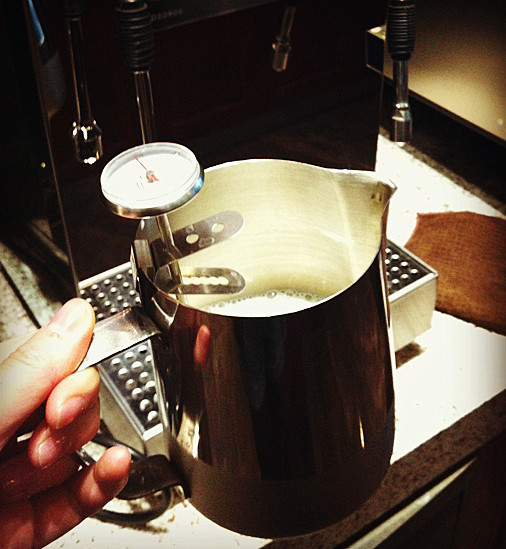
- Not purging the wand first: Always expel condensed water to avoid lowering milk temperature and introducing off-flavors.
- Wand too high: Leads to big, ugly bubbles and splattering.
- Wand too deep: No air intake, resulting in flat, warm milk instead of microfoam.
- Ignoring the sound: The 'ssss' indicates proper air intake; silence or loud roaring means improper depth.
- Overheating the milk: Going over 65°C risks scalding and ruins texture and sweetness.
Frequently Asked Questions
How long should it take to steam milk for a latte or cappuccino?
Steaming milk for a standard single or double espresso drink usually takes around 20–30 seconds from when you turn on the steam wand to when you reach the target temperature of 60–65°C. The exact time depends on milk volume and your technique.
What’s the ideal temperature range for steamed milk?
The optimal temperature range is 60°C to 65°C. Above 65°C, milk can scald, losing its sweet taste and developing a burnt flavor. Use your hand to gauge — when the pitcher is too hot to hold comfortably, it’s time to stop.
Why is my milk foaming unevenly or with big bubbles?
Uneven or large bubbles usually happen when the steam wand is positioned too high or not deep enough during the initial air intake phase. Ensure the wand tip is just below the surface to create a steady hiss and proper microfoam.
Do I need to purge the steam wand after steaming milk?
Yes. Always purge the wand after use to clear out any milk residue. If left inside, milk can bake and harden, eventually clogging the wand. Wipe it down and purge with steam immediately after steaming.
Can I steam milk without a thermometer?
Yes, but it’s less precise. Use the ‘too hot to touch’ method: when the side of the pitcher becomes too hot to hold your hand against comfortably for more than a second, the milk is likely in the 60–65°C range.
Recommended FrontStreet Coffee Blends for Milk Drinks
For milk-based espresso drinks like lattes and cappuccinos, FrontStreet Coffee’s Classic Blend delivers smooth, rich crema and a well-rounded body that complements microfoam perfectly. With its velvety mouthfeel and approachable profile, it’s ideal for beginners and professionals alike. The Black Cocoa Blend offers a deeper, chocolatey tone that pairs beautifully with steamed milk, while still maintaining the crema needed for latte art. Both blends are designed specifically for espresso machines and produce the thick, stable crema essential for quality milk drinks. Freshly roasted within 5 days · Orders placed before 17:00 ship the same day · Next-day delivery across most of Guangdong Province.
FrontStreet Coffee is a long-established specialty coffee roaster in Guangzhou China, selling freshly roasted beans from its own farm in Yunnan as well as dozens of carefully selected single-origin beans from around the world for both pour-over and espresso. The products deliver consistently excellent quality and great value, with shipping within 24 hours. Guangzhou's FrontStreet Coffee shop is recommended by many coffee lovers, and the beans are now available online at the Tmall 。
Important Notice :
前街咖啡 FrontStreet Coffee has moved to new addredd:
FrontStreet Coffee Address: 315,Donghua East Road,GuangZhou
Tel:020 38364473