Why This Taiwanese Cafe Serves Coffee With Stones at the Bottom
You take a careful sip of your single-origin pour-over, appreciating its clean profile—no milk, no sugar—and then, right at the bottom of the cup, you hit something solid. Not a cherry pit, not a stray bean fragment. A small, smooth stone. Is this some kind of prank? Did the barista forget to clean the filter? Actually, it’s intentional—and it’s meant to make your coffee better.
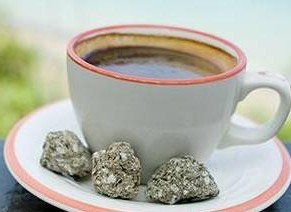
The stone at the bottom of your cup isn’t random. It’s a specially selected maifan stone, used to filter and soften the coffee, reducing bitterness and creating a smoother, more balanced cup. At least one café in Taiwan does this deliberately, and customers notice the difference.
What Is 'Stone Coffee' and Why Put Rocks in It?
At first glance, finding a stone in your coffee seems like a mistake—but in one Taiwanese café, it’s a signature touch. The ‘stone’ is actually a piece of maifan stone (also called ‘grainy andesite’), a naturally porous volcanic rock known for its water-purifying properties. The café places the stone in the cup or filters the coffee through it to subtly alter the brew’s flavour profile.
The result? According to both staff and customers, the coffee tastes less bitter, smoother, and more neutral—highlighting the coffee’s natural characteristics without harsh edges. Rather than talking up their beans or roast style, the café credits much of the taste to the stone.
How Maifan Stone Changes Your Coffee
Maifan stone isn’t just any rock. Traditionally used in water filters, it’s believed to reduce impurities and soften water. When used in coffee brewing, proponents say it helps reduce harsh tannins and over-extracted bitterness. The stone isn’t ground or brewed directly; it sits in the cup or is part of the filtering process, subtly interacting with the liquid.
The café in question only serves this stone-filtered coffee under specific menu items labelled as ‘maifan stone coffee.’ Other drinks don’t include the stone. The stone itself is reused for 2–3 months before being set out in sunlight to ‘recharge’ its filtering ability. Each stone reportedly lasts up to five years with proper care.
Where You Can Try It: A Scenic Café on Taiwan’s East Coast
This unique coffee experience is served at Jinzun Café, located in Taiwan’s East Coast Jinzun Recreation Area. The café is nestled beneath a canopy of purple Dendrobium orchids, with sweeping views of the blue ocean—a perfect rest stop for travellers exploring the region.
Aside from its stone coffee, the café also sells small maifan stone planters. These pots help regulate soil moisture, making them a popular choice for indoor gardening. A single pot costs around 200 TWD (roughly £5 or $6 USD).
What Do Customers Think?
Patrons interviewed about the stone coffee were amused but understanding. Many said they wouldn’t take the name too literally—‘stone coffee’ could easily be rebranded without losing its appeal. What mattered most, they agreed, was the overall experience and the taste. For them, the stone adds a unique twist without compromising flavour, and the café’s laid-back vibe and coastal location add to the charm.
Frequently Asked Questions
What is maifan stone and why is it used in coffee?
Maifan stone, also known as grainy andesite, is a porous volcanic rock traditionally used in water filtration. In coffee, it's believed to reduce bitterness and tannins by purifying the brew, resulting in a smoother, more balanced cup. It's not consumed, just placed in the cup or used during filtration.
Does the stone actually change the taste of the coffee?
According to the café staff and customers, yes. The stone is said to reduce bitterness and create a more neutral, smoother flavour profile, allowing the natural characteristics of the single-origin coffee to come through without harsh edges.
Is the stone safe to have in the cup?
Yes. The maifan stone is cleaned and sanitized, and is not crushed or consumable. It remains intact at the bottom of the cup and is not a choking hazard. Customers are not expected to eat or drink the stone.
How long does the maifan stone last before it needs replacing?
The café reuses each stone for about 2–3 months before placing it in sunlight to recharge its filtering properties. Each individual stone can last up to five years with proper care and periodic sun exposure.
Do all drinks at the café come with a stone?
No. Only specific menu items labeled as ‘maifan stone coffee’ include the stone. Other coffee drinks on the menu are prepared normally, without the stone or its effects.
Can I buy the stone or try this at home?
The café sells maifan stone planters, but it’s not confirmed whether they sell the stones separately for coffee use. The method is currently unique to this location and not widely replicated elsewhere.
Recommended FrontStreet Beans for Stone-Filtered Coffee
For coffee lovers curious about stone-filtered brews, try FrontStreet’s Ethiopia Yirgacheffe for bright citrus and floral notes, or the Kenya Little Tomato for bold red fruit acidity—both showcase clarity that pairs well with subtle filtration methods. The Ethiopia Humbera offers tropical sweetness ideal for highlighting smooth profiles. All are light to medium roasts perfect for pour-over. Freshly roasted within 5 days · Orders placed before 17:00 ship the same day · Next-day delivery across most of Guangdong Province.
FrontStreet Coffee is a long-established specialty coffee roaster in Guangzhou China, selling freshly roasted beans from its own farm in Yunnan as well as dozens of carefully selected single-origin beans from around the world for both pour-over and espresso. The products deliver consistently excellent quality and great value, with shipping within 24 hours. Guangzhou's FrontStreet Coffee shop is recommended by many coffee lovers, and the beans are now available online at the Tmall 。
Important Notice :
前街咖啡 FrontStreet Coffee has moved to new addredd:
FrontStreet Coffee Address: 315,Donghua East Road,GuangZhou
Tel:020 38364473