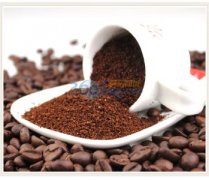
Elephant Dung Coffee vs. Civet Coffee: What’s the Difference?
You’ve probably seen headlines declaring elephant dung coffee the new ‘most expensive coffee’—supposedly dethroning civet coffee. But is it really better? Or is this just another viral coffee gimmick? If you’ve wondered how these two ‘exotic’ coffees are made, which one is actually higher quality, and why people pay absurd prices for them, here’s the straight story.
In short: civet coffee (kopi luwak) is made from coffee beans eaten and excreted by wild or semi-wild civets, who naturally select ripe, high-quality beans. Elephant dung coffee, by contrast, is made from beans fed to elephants—often cultivated ones—not selected by the animal, making bean quality inconsistent. That’s the key difference.
What Is Civet Coffee (Kopi Luwak)?
Civet coffee, also known as kopi luwak, originates from Indonesia. The process starts with the Asian palm civet (or musang), a small mammal that naturally seeks out and eats ripe, red coffee cherries. The civet’s digestive system partially ferments the beans inside its stomach, then excretes them. Workers collect the droppings, clean off the outer layers, wash the beans, dry them in the sun, and finally roast them. The key detail? The civet selects the beans itself, favouring ripe, high-quality fruit—something humans can’t easily replicate.
The inner coffee seed remains untouched by digestive enzymes, protected by its silvery skin. Though the beans pass through the animal’s intestines, they’re cleaned before roasting, resulting in a clean cup. The process is entirely natural when done with wild civets, though concerns exist over animal welfare in some commercial operations.
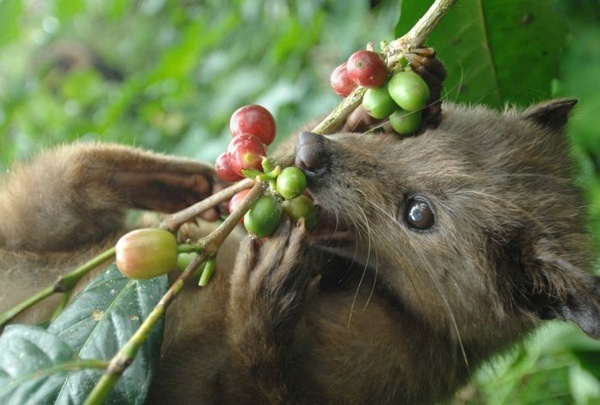
How Is Elephant Dung Coffee Made?
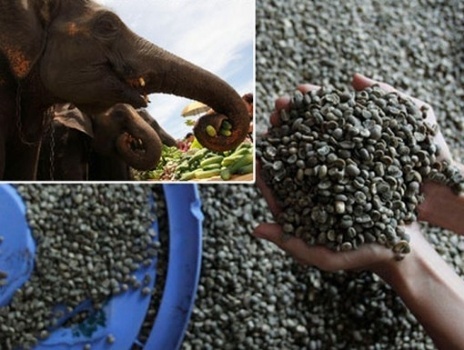
Elephant dung coffee follows a similar concept, but with major differences. In this case, elephants are typically fed coffee cherries—often cultivated ones—as part of their diet. Unlike civets, elephants don’t naturally seek out or select only ripe coffee fruit. They eat a wide variety of plants including leaves, bamboo, and other vegetation, so coffee cherries may just be supplementary. Because the elephants aren’t selecting the beans, there’s no quality filter. After digestion, workers collect the dung, clean the beans, wash them, dry them, and roast them.
The source article points out that elephants are not known to actively forage in coffee farms, so any coffee they consume is usually provided by humans. This makes the selection process unreliable, and thus the quality of the resulting beans inconsistent. The beans are cleaned before roasting, so they don’t actually touch faeces in the final product—but the initial selection isn’t curated by the animal.
Why Does Quality Matter?
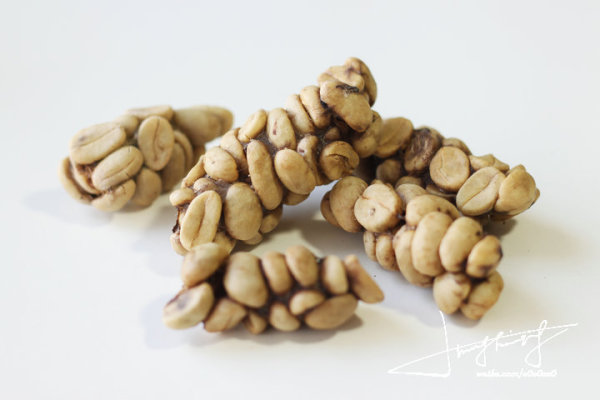
The biggest difference between the two comes down to bean selection. With civet coffee, the civet’s natural preference for ripe, high-quality coffee cherries acts as a kind of quality control. With elephant dung coffee, there’s no such selection—beans are often cultivated and fed to the animal, not chosen by it. That means the beans going into elephant dung coffee can vary widely in ripeness and quality, leading to less predictable results.
The original article also criticises the trend of turning natural processes into marketing stunts. It argues that both types of ‘poop coffee’ are often misunderstood or misrepresented—especially when animals are captive-bred and beans are force-fed rather than naturally selected.
What About the Roasting and Final Cup?
Both civet and elephant dung coffee beans are cleaned before roasting, so there’s no actual contact with faeces in the final cup. The roasting process—typically medium to dark—eliminates any remaining biological residues. The resulting cup from civet coffee is often described as smooth, low in acidity, and complex, with rumoured enhanced sweetness and body due to fermentation in the civet’s gut. Elephant dung coffee, meanwhile, doesn’t have the same selective process, so flavour consistency is harder to achieve.
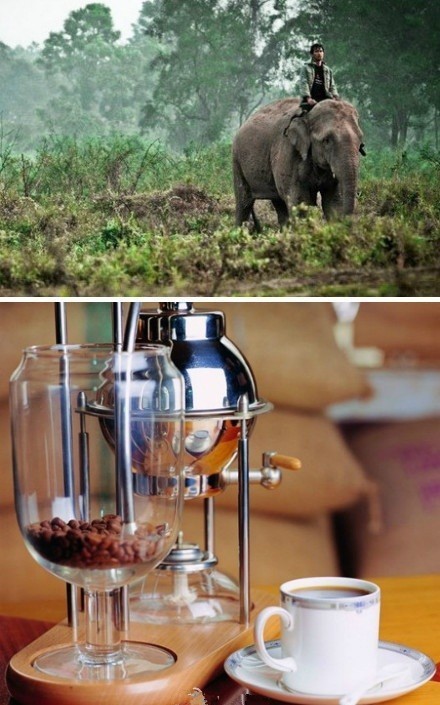
It’s worth noting that both types undergo standard coffee processing steps after the animal stage: washing, drying, and roasting. The beans are not consumed whole; only the inner seed is used. Both are still considered ‘exotic’ or novelty coffees, often sold at premium prices due to the unusual production method rather than universally agreed-upon cup quality.
Frequently Asked Questions
What is the main difference between civet coffee and elephant dung coffee?
The main difference is bean selection. Civet coffee is made from beans eaten and naturally selected by civets, which prefer ripe, high-quality coffee cherries. Elephant dung coffee uses beans that are usually fed to elephants, often without any selection for ripeness or quality, leading to inconsistent bean quality.
Do civet or elephant dung coffees actually contain poop in the final cup?
No. Both types of coffee are cleaned to remove outer layers (like the silvery skin in civet coffee or dung in elephant coffee), washed, and roasted at high temperatures. The inner coffee seed is not exposed to faeces in the final brewed cup.
Is civet coffee higher quality than elephant dung coffee?
Generally, yes. Because civets selectively eat ripe coffee cherries, the beans tend to be of higher and more consistent quality. Elephant dung coffee lacks this natural selection process, so the beans can vary widely in ripeness and quality.

Are civets or elephants harmed in the production of these coffees?
The original article doesn’t address animal welfare directly, but it’s widely reported that ethical concerns exist, especially when civets or elephants are captive-bred or kept in poor conditions for coffee production. Always check production practices when buying.
Why did elephant dung coffee become popular as ‘the most expensive coffee’?
The article suggests it became a viral sensation, possibly due to marketing hype, but it lacks the natural quality selection process that gives civet coffee its reputation. The title may be more about attention than actual quality.
How are the beans processed after being excreted?
After collection, both civet and elephant dung coffee beans are washed to remove outer residues, then sun-dried and roasted. The beans are not consumed whole; only the inner seed is brewed, following standard coffee processing steps.
Recommended FrontStreet Beans for Coffee Curiosity
Try FrontStreet Coffee’s Ethiopia Huakui for a bright, fruity cup that highlights natural fermentation profiles—similar to what kopi luwak fans describe. For a cleaner, more classic profile, their Yirgacheffe offers floral and citrus notes without exotic processing. Both showcase how natural fermentation and careful selection can create complexity, without needing unconventional methods. Freshly roasted within 5 days · Orders placed before 17:00 ship the same day · Next-day delivery across most of Guangdong Province.
FrontStreet Coffee is a long-established specialty coffee roaster in Guangzhou China, selling freshly roasted beans from its own farm in Yunnan as well as dozens of carefully selected single-origin beans from around the world for both pour-over and espresso. The products deliver consistently excellent quality and great value, with shipping within 24 hours. Guangzhou's FrontStreet Coffee shop is recommended by many coffee lovers, and the beans are now available online at the Tmall 。
Important Notice :
前街咖啡 FrontStreet Coffee has moved to new addredd:
FrontStreet Coffee Address: 315,Donghua East Road,GuangZhou
Tel:020 38364473