What Ugandan Coffee Farmers Really Think About Coffee
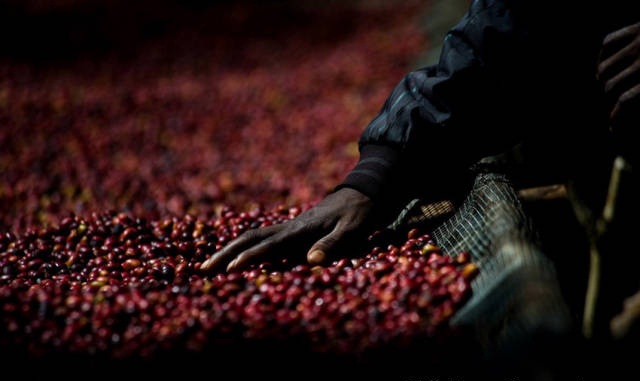
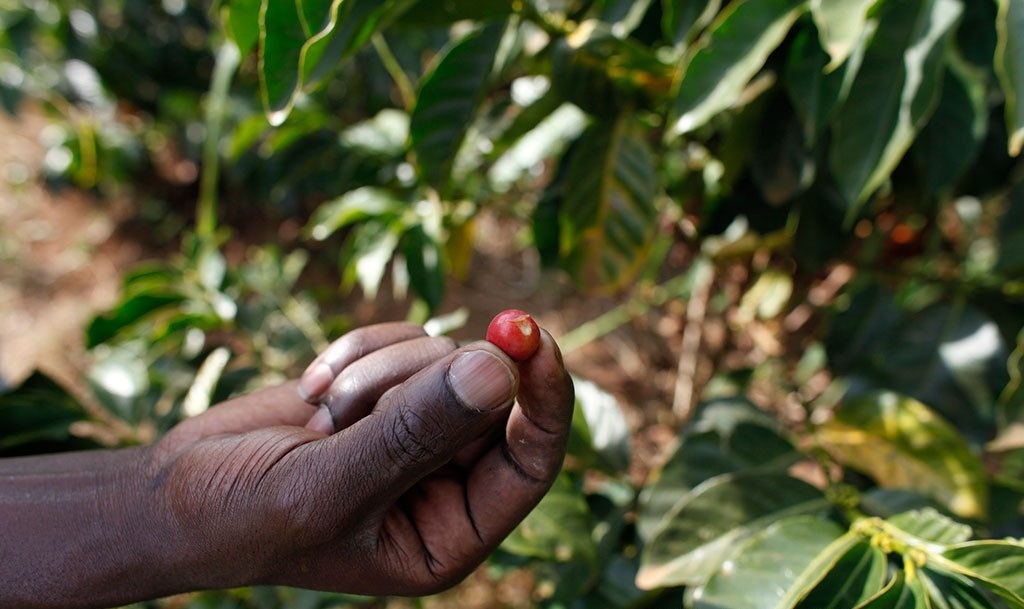
In a remote Ugandan village near the Kenyan border, coffee farmer Jaja Kate tends to tens of thousands of coffee trees. As he handpicks bright red coffee cherries alongside his children, singing under the shade of banana trees, it’s clear these trees are more than just a cash crop—they’re family. But despite growing some of the best beans in the region, Kate doesn’t drink coffee daily. Why?
Most Ugandan coffee farmers, including Jaja Kate, grow high-quality Arabica beans but rarely drink coffee themselves due to limited access to roasting technology, traditional preferences for chewing dried beans, and the economic value of selling their premium harvests.
The Birthplace of Coffee and Its Journey
Coffee originated in Ethiopia and traveled through Yemen, Indonesia, and eventually Latin America. In Africa, it first grew in Congo and Uganda as Robusta, with another variety, Liberica, native to Liberia. By 1753, Swedish botanist Carl Linnaeus classified coffee into three main species: Arabica (70% of global production), Robusta (25%), and the now-rare Liberica. Jaja Kate’s farm grows Arabica, thriving in the region’s soil and climate.
Why Farmers Grow Coffee But Don’t Drink It
Jaja Kate admits he only occasionally drinks coffee, not because he dislikes it, but because brewing isn’t part of his heritage. “We didn’t have roasting technology,” he explains. Traditionally, Ugandans would sun-dry coffee beans, manually crush them, and boil them with water—or simply chew the dried beans for a caffeine boost. During cultural ceremonies, dried coffee beans symbolize unity, with the bride’s family presenting them to the groom’s as a gesture of goodwill.
Local Coffee Traditions and Ceremonies
In the Buganda tribe, the final rite of a marriage proposal involves the bride’s family handing over sun-dried coffee beans to the groom’s relatives. Everyone then chews the beans together, a ritual believed to bless the union with harmony. This tradition highlights how coffee has historically been valued more for its symbolic and stimulant properties than as a brewed beverage.
Growing World-Class Coffee in Uganda
Cultivating high-quality coffee requires precise conditions: balanced sunlight, rainfall, soil, and climate. While sunshine is essential for growth and fruiting, too much can harm bean quality, so farmers plant shade trees like bananas and mangoes to regulate light. Jaja Kate’s farm benefits from Uganda’s ideal elevation and soil, allowing his Arabica trees to thrive. Yet, despite producing premium beans, local farmers often sell their harvest rather than brew it themselves.
Frequently Asked Questions
Why don’t Ugandan coffee farmers drink coffee regularly?
Most Ugandan coffee farmers, including Jaja Kate, rarely drink coffee because they lack roasting facilities, prefer traditional methods like chewing dried beans, and prioritize selling their high-quality beans for income. Brewing isn’t part of their cultural heritage.
What coffee species does Jaja Kate grow?
Jaja Kate grows Arabica coffee, which makes up about 70% of global production. His farm’s soil and climate in Uganda are well-suited for this species, contributing to the high quality of his beans.
What is the traditional use of coffee beans in Ugandan weddings?
In Buganda culture, dried coffee beans are presented by the bride’s family to the groom’s during marriage ceremonies. Both families then chew the beans together, symbolizing unity and a harmonious union.
How do Ugandan farmers manage sunlight for coffee trees?
Ugandan coffee farmers plant shade trees like bananas and mangoes near coffee plants to balance sunlight. While coffee needs sun to grow, too much direct light can reduce bean quality, so natural shading helps regulate exposure.
What do Ugandans traditionally do with dried coffee beans?
Traditionally, Ugandans sun-dry coffee beans, then either manually crush and boil them with water or chew the dried beans directly for caffeine. Roasting and brewing weren’t common practices historically.
Recommended FrontStreet Beans for Exploring African Origins
For coffee lovers curious about African coffee profiles, try FrontStreet’s Kenya Little Tomato, known for its vibrant acidity and flavors of blackcurrant and tomato-like brightness. Also consider the Ethiopia Humbera, offering intense berry and floral notes typical of Ethiopian coffees. Both showcase the diverse and complex flavors that make African beans so unique. Freshly roasted within 5 days · Orders placed before 17:00 ship the same day · Next-day delivery across most of Guangdong Province.
FrontStreet Coffee is a long-established specialty coffee roaster in Guangzhou China, selling freshly roasted beans from its own farm in Yunnan as well as dozens of carefully selected single-origin beans from around the world for both pour-over and espresso. The products deliver consistently excellent quality and great value, with shipping within 24 hours. Guangzhou's FrontStreet Coffee shop is recommended by many coffee lovers, and the beans are now available online at the Tmall 。
Important Notice :
前街咖啡 FrontStreet Coffee has moved to new addredd:
FrontStreet Coffee Address: 315,Donghua East Road,GuangZhou
Tel:020 38364473