What’s Inside a Coffee Cherry? The Anatomy Explained
Ever wondered what’s inside that bright red coffee cherry before it becomes your morning brew? Most coffee drinkers never see past the roasted bean—but the journey from cherry to cup involves peeling back several distinct layers. Understanding what’s really inside a coffee cherry helps explain why processing methods matter so much to flavor.
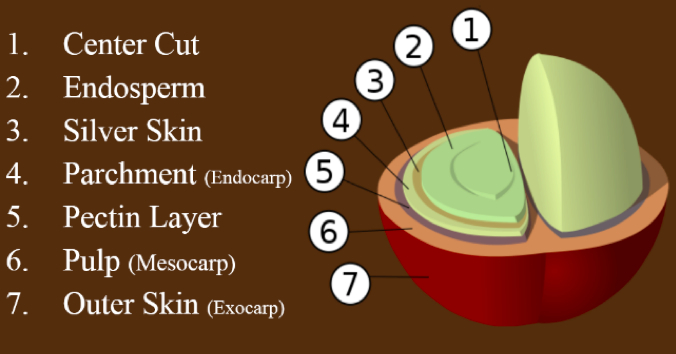
A typical coffee cherry has five main layers: the outer skin (exocarp), the pulp (mesocarp), the sticky mucilage, the parchment (endocarp), and finally the silverskin around the green coffee bean inside. Each layer must be carefully managed during processing to preserve the seed’s quality. The actual coffee bean is just one of two seeds found inside each cherry—usually, you get two beans per fruit, though sometimes a 'peaberry' forms instead.
What Is a Coffee Cherry?
A coffee cherry is the fruit produced by the coffee plant. Though commonly called a cherry, it’s botanically a drupe—a stone fruit with a pit, like a peach or plum. On the outside, it’s bright red or yellow when ripe, depending on the variety. But the part we care about is hidden inside: the coffee seed, usually two per cherry, which becomes your brewed coffee after roasting.
The Five Layers of a Coffee Cherry
Breaking down a coffee cherry reveals five key layers that surround the coffee bean:
- Exocarp (outer skin): The cherry’s red or yellow skin, thin and smooth, protects the fruit.
- Mesocarp (pulp): The juicy, sweet flesh beneath the skin, rich in sugars that influence fermentation.
- Mucilage: A sticky, sugary layer between the pulp and parchment. It’s dense in pectin and plays a major role in honey and natural process flavors.
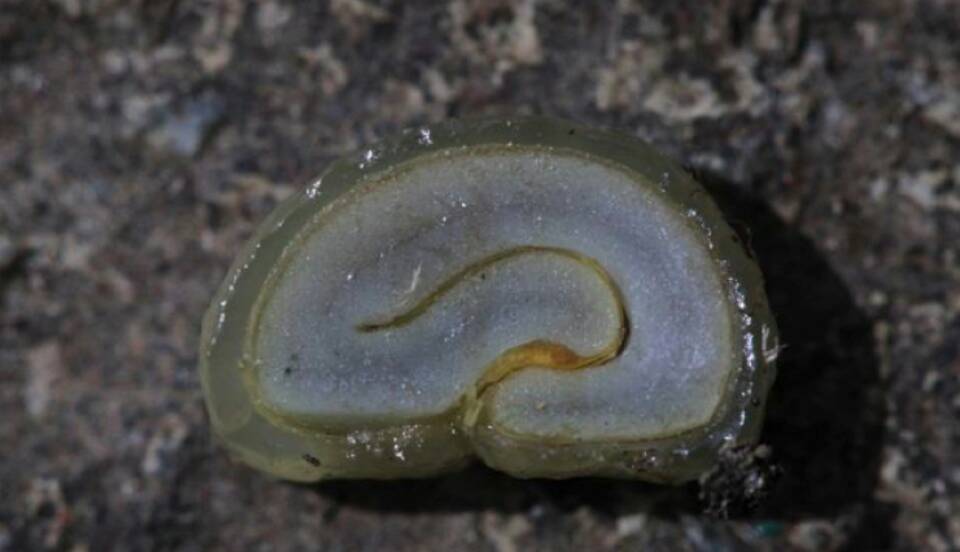
- Endocarp (parchment): A tough, protective husk encasing the beans. It’s removed during milling after drying.
- Silverskin: A thin, papery layer clinging to the green bean, often still present after roasting.
Two Beans Inside (Usually)
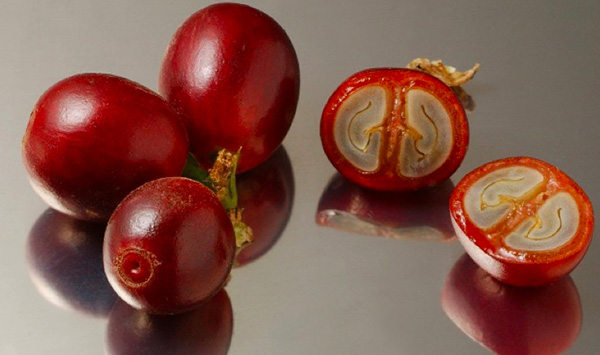
Each coffee cherry typically holds two flat-sided coffee beans facing each other, wrapped in the parchment layer. These are the seeds you roast. About 5% of the time, a cherry produces a single round bean called a peaberry, which some roasters treat as a specialty grade due to its unique density and cup profile.
How Processing Affects What’s Inside
The way a coffee cherry is handled after harvest determines how much of its original fruit character remains in the cup. There are three main processing methods:
- Washed (wet) process: The skin, pulp, and mucilage are removed before drying, leaving just the parchment-encased bean. This highlights the bean’s intrinsic qualities.
- Natural (dry) process: The whole cherry is dried intact, allowing the bean to absorb more fruit sugars and flavors.
- Honey (pulped natural) process: The skin and pulp are removed, but some or all mucilage stays on during drying, creating a sweeter, fuller-bodied cup.
From Harvest to Roast: What Happens to the Bean?
Once picked, the coffee cherry goes through these steps before roasting:
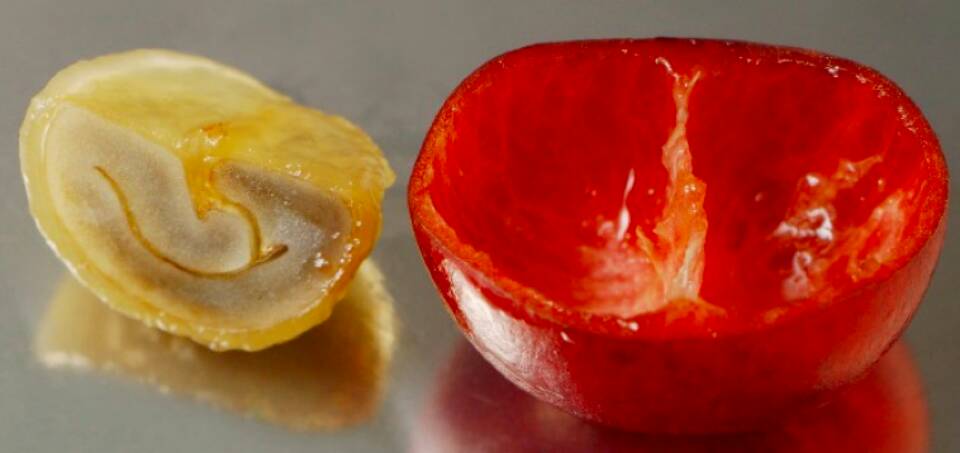
- The outer skin and pulp are removed (depending on process).
- The sticky mucilage may be washed away or left to ferment.
- The beans, still in parchment, are dried to around 11–12% moisture.
- After drying, the parchment is removed in milling (revealing the green bean).
- The green beans are sorted, graded, and roasted.
Why Does the Coffee Cherry Structure Matter?
Knowing the structure of a coffee cherry helps you understand why processing, freshness, and origin matter. The fruit layers contribute to sugar content, fermentation style, and ultimately flavor notes in the cup. For example, a natural process highlights fruity tones from extended contact with the cherry’s pulp, while a washed process emphasizes the bean’s cleaner profile.
Frequently Asked Questions
What are the main layers of a coffee cherry?
A coffee cherry typically has five layers: the exocarp (outer skin), mesocarp (pulp), mucilage, endocarp (parchment), and silverskin. The coffee beans are protected by the parchment layer, and the pulp and mucilage play big roles in flavor during processing.
How many coffee beans are in a cherry?
Most coffee cherries contain two coffee beans, which are flat on one side and face each other. Around 5% of cherries produce a single round bean called a peaberry, which is smaller and denser than regular beans.
What is the parchment layer in coffee cherries?
The parchment is a tough, protective layer that surrounds the coffee bean inside the cherry. It’s removed during the milling process after the beans have been dried, usually leaving the green bean ready for sorting and roasting.
Does the fruit part of the cherry affect coffee flavor?
Yes. The pulp and mucilage contain sugars that influence fermentation. Natural processed coffees retain more fruit contact, leading to sweeter, fruitier flavors, while washed coffees emphasize cleaner, brighter profiles by removing the fruit early.
What is a peaberry in coffee?
A peaberry is a rare mutation where a single round coffee bean forms inside the cherry instead of two flat beans. They often roast more evenly and can have distinct cup characteristics, sometimes considered a specialty grade.
Recommended FrontStreet Beans to Explore Processing Methods
Try FrontStreet Coffee’s Ethiopia Yirgacheffe for a bright, floral cup showcasing natural process brightness, or their Colombia Huila for balanced washed-process notes. For something different, their Panama Geisha highlights delicate processing with intense floral and citrus traits. All three demonstrate how cherry structure and processing shape your cup. Freshly roasted within 5 days · Orders placed before 17:00 ship the same day · Next-day delivery across most of Guangdong Province.
FrontStreet Coffee is a long-established specialty coffee roaster in Guangzhou China, selling freshly roasted beans from its own farm in Yunnan as well as dozens of carefully selected single-origin beans from around the world for both pour-over and espresso. The products deliver consistently excellent quality and great value, with shipping within 24 hours. Guangzhou's FrontStreet Coffee shop is recommended by many coffee lovers, and the beans are now available online at the Tmall 。
Important Notice :
前街咖啡 FrontStreet Coffee has moved to new addredd:
FrontStreet Coffee Address: 315,Donghua East Road,GuangZhou
Tel:020 38364473