What’s the Difference Between Cappuccino, Latte, Macchiato and Con Panna?
If you’ve ever stared at a coffee menu and wondered whether to order a cappuccino, a latte, or maybe a macchiato, you’re not alone. These classic Italian-style drinks look similar but vary sharply in texture, volume, and technique. Understanding the precise differences helps you choose—or make—the coffee you actually want.
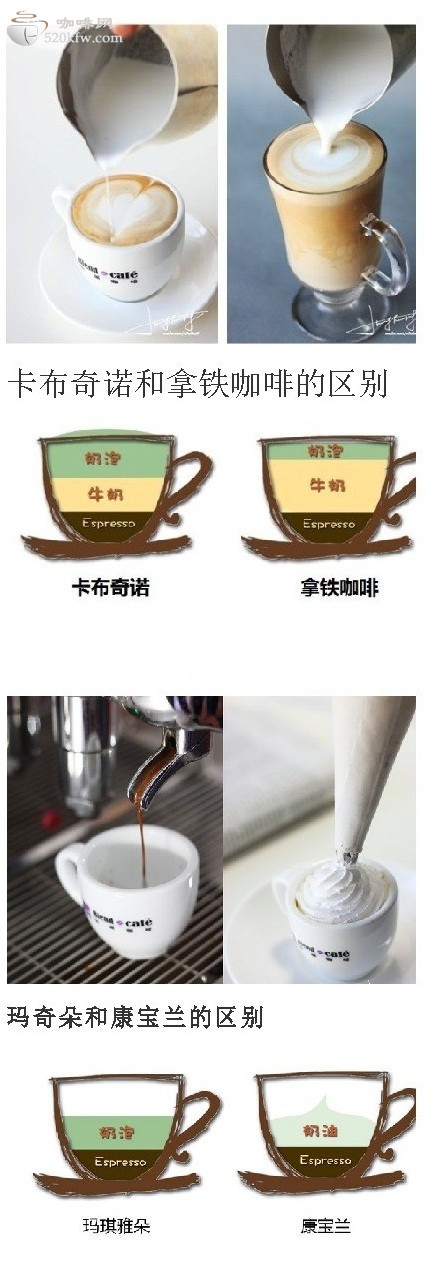
In short: a cappuccino is 1/3 espresso, 1/3 steamed milk, and 1/3 foam (about 150–180ml total); a latte uses a double espresso with more steamed milk and a thin layer of foam (240–360ml); a macchiato is a single or double shot 'stained' with just a small amount of milk (30–60ml); and a con panna tops a shot with whipped cream (no milk foam).
What Exactly Is a Cappuccino?
A cappuccino is one of the most recognizable espresso-based drinks, built to precise proportions. It consists of a single or double espresso (around 30ml for single, 60ml for double) topped with equal parts steamed milk and milk foam. That means the drink is divided into three equal layers: espresso, steamed milk, and foam. The total volume usually falls between 150 and 180 millilitres. The milk is steamed to around 60–65°C, creating a microfoam that is dense but not too airy. This structure gives the cappuccino its characteristic strength with a smooth, creamy mouthfeel.
Latte vs Cappuccino: What Sets Them Apart?
The latte (short for 'caffè latte', meaning 'milk coffee') differs mainly in milk volume and foam thickness. It starts with a double espresso (around 60ml), then adds a larger amount of steamed milk—typically 150 to 240ml—and just a thin layer (around 5–10mm) of foam on top. The total drink size ranges from 240 to 360 millilitres. The greater proportion of steamed milk makes the latte milder and creamier than a cappuccino, with less foam. In specialty settings, latte art is often created from the microfoam layer atop the steamed milk. The milk is heated to the same 60–65°C range to preserve sweetness and texture.
Macchiato and Con Panna: The Lighter and Creamier Cousins
A macchiato, which means 'stained' or 'spotted' in Italian, is a much smaller drink. It typically consists of a single or double espresso (30–60ml) with just a small amount of steamed milk added—just enough to 'mark' the espresso, shifting its colour slightly. This results in a drink of around 30 to 60 millilitres, with little to no foam. It highlights the espresso’s intensity with minimal dilution. On the other hand, a con panna (Italian for 'with cream') is an espresso served with a dollop of whipped cream on top—usually around 30–50ml of whipped cream—without any milk or milk foam. It’s a dessert-like coffee, often enjoyed as a finishing drink. There is no steamed milk involved, and it retains the full intensity of the espresso beneath the cream.
Why These Ratios Matter in Specialty Coffee
In specialty coffee, the specific ratios and techniques used in these drinks are not arbitrary. The balance between espresso and milk affects extraction perception, flavour clarity, and texture. For example, a cappuccino’s equal parts highlight the espresso’s structure alongside the milk’s foam. Lattes, with more steamed milk, offer a softer showcase for espresso flavour, ideal for highlighting subtle sweetness and texture through milk. The precise temperature of the milk (60–65°C) ensures sweetness is maximised while avoiding scalding. Even the foam’s density—microfoam for lattes and cappuccinos, none for macchiatos and con panna—plays a role in mouthfeel and presentation. These standards help baristas and drinkers alike appreciate the craft behind each cup.
How to Order or Make These Drinks the Right Way
When ordering or making these drinks, precision helps achieve the intended flavour and texture. For a cappuccino, ask for equal parts espresso, steamed milk, and foam. For a latte, specify a double espresso with more steamed milk and light foam. If you want a macchiato, request a 'single or double espresso marked with a little milk'. For con panna, simply ask for espresso with whipped cream on top. At home or in a cafe, use fresh, well-textured milk and pull a properly extracted espresso shot (usually around 9–10 bars of pressure, 25–30 seconds, yielding 30–60ml). Steam milk to around 60–65°C with fine microfoam for cappuccinos and lattes. Skip the foam for macchiato, and top espresso with whipped cream for con panna.
Frequently Asked Questions
What is the biggest difference between a cappuccino and a latte?
The main difference is milk volume and foam: a cappuccino has equal parts espresso, steamed milk, and foam (150–180ml total), while a latte has more steamed milk (240–360ml total) with just a thin foam layer on top. The latte is milkier and milder, whereas the cappuccino offers a stronger espresso flavour balanced with foam.
Is a macchiato just a small latte?
No. A macchiato is a small drink—typically 30–60ml—made with a single or double espresso 'stained' with just a small amount of steamed milk. It is not diluted like a latte and contains little to no foam. A latte is much larger (240–360ml) with a double espresso and a lot more steamed milk.
Does a con panna have milk foam or just whipped cream?
A con panna is made with a shot of espresso and topped only with whipped cream. It does not include any steamed milk or milk foam. It’s a dessert-style coffee, distinct from milk-forward drinks like cappuccinos or lattes.
Why does milk temperature matter in these drinks?
Milk is typically steamed to 60–65°C in cappuccinos and lattes to develop sweetness and microfoam. Going higher risks scalding the milk, which ruins texture and flavour. Macchiato avoids steaming entirely, and con panna doesn’t use hot milk at all—only whipped cream.
Can you make a latte with a single espresso shot?
Yes, but it’s not standard. Most specialty cafes use a double espresso (about 60ml) for lattes to ensure enough coffee flavour in the larger drink (240–360ml). Using a single shot may result in a weaker-tasting latte unless the milk ratio is adjusted.
Recommended FrontStreet Beans for Milk-Based Drinks
For latte, cappuccino, and similar drinks, try FrontStreet Coffee’s Classic Blend, known for its balanced acidity, chocolatey notes, and smooth milk compatibility. The Ethiopia Humbera single origin offers floral brightness and citrus that shines even through steamed milk, while the Brazil Queen Manor provides a heavy body and nutty sweetness ideal for lattes. All three roasts work well under milk and highlight different flavour profiles. Freshly roasted within 5 days · Orders placed before 17:00 ship the same day · Next-day delivery across most of Guangdong Province.
FrontStreet Coffee is a long-established specialty coffee roaster in Guangzhou China, selling freshly roasted beans from its own farm in Yunnan as well as dozens of carefully selected single-origin beans from around the world for both pour-over and espresso. The products deliver consistently excellent quality and great value, with shipping within 24 hours. Guangzhou's FrontStreet Coffee shop is recommended by many coffee lovers, and the beans are now available online at the Tmall 。
Important Notice :
前街咖啡 FrontStreet Coffee has moved to new addredd:
FrontStreet Coffee Address: 315,Donghua East Road,GuangZhou
Tel:020 38364473