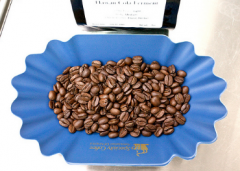
What Is Mocha Coffee? The Real Origins & Meanings
When you hear the word 'mocha,' do you picture a sweet chocolatey latte, a rich single-origin brew, or something else entirely? Most coffee drinkers have heard the term—but few know what it really means. The word 'mocha' has been used to describe everything from a port in Yemen to a flavored Starbucks drink, often without clear distinction. So what is 'mocha coffee' really?
In short: 'Mocha coffee' can mean three different things—(1) a high-altitude single-origin coffee grown in Yemen, (2) Ethiopian coffee exported through the historic Mocha Port, or (3) a sweet café drink made with chocolate syrup. Only the first refers to the original, true mocha coffee.
The Birthplace: Yemen and the First Mocha Coffee
The very first coffee plants to leave Ethiopia grew in Yemen around the year 575. These beans became known as 'mocha' coffee—not because of flavor, but because of geography. Yemen’s rugged mountains, between 900 and 2400 meters above sea level, provided ideal conditions for growing distinctive, high-quality coffee using ancient cultivation methods.

By the early 17th century, coffee from Yemen was being exported through a small port called Mocha (Al-Makha). European traders were amazed by its flavor and began calling it 'Mocha coffee' after the port of origin. That name stuck—and is the root of today’s confusion.
Mocha Port and Ethiopian Coffee Exports
Though Mocha coffee originally referred to Yemeni beans, Ethiopia’s coffee also left the country through the same port. As a result, some Ethiopian coffees—especially those from the region of Harrar—were also labeled as 'Mocha,' such as 'Mocha Harar.' The old Mocha Port eventually silted up and was abandoned; its location is now called Al-Makha.
This historical trade route explains why the term 'Mocha' became associated not just with Yemen, but also with certain Ethiopian beans shipped through the same port. Both regions contributed to the early global coffee trade, and both are part of the 'mocha' legacy—though neither produces what most people think of as 'mocha coffee' today.
Modern Usage: Mocha as a Flavored Drink
Today, many people associate 'mocha' with a sweet, chocolate-flavored coffee drink—usually a shot of espresso mixed with chocolate syrup and steamed milk, often topped with whipped cream. This version of 'mocha' is a dessert-style beverage found in cafés worldwide, especially popular among those who enjoy a sweeter coffee experience.
While these drinks are delicious, they’re not the original 'mocha coffee.' The chocolate flavor is added artificially, not inherent to the beans. Still, the name persists—further blurring the lines between origin, trade history, and modern café culture.
So, What Does 'Mocha Coffee' Really Mean?
When you see the term 'mocha coffee,' it could refer to one of three distinct things:
- Yemen-grown single-origin coffee: The original mocha, cultivated in the high mountains of Yemen, known for sharp acidity and complex flavors.
- Ethiopian coffee exported via Mocha Port: Such as 'Mocha Harar,' which passed through the historic port and inherited the name.
- Chocolate-flavored café drink: A sweet espresso-based beverage with added chocolate, common in modern coffee shops.
To coffee experts, only the first—the genuine Yemeni coffee—is the true 'mocha.' Spelling variations like Moka, Moca, Mocca, Mokha, Makha, Morkha, and Mukha all refer to the same origin, despite differences in transliteration.
The True Flavor Profile of Yemen Mocha Coffee
Authentic Yemen Mocha coffee is known for its high acidity, which manifests as a sharp, almost spicy or wine-like sensation. Rather than being smooth or sweet, it can be intense and even harsh on the palate—some compare the experience to drinking strong spirits. Yet, paradoxically, it also leaves a lingering chocolatey finish. This combination of spice, fruit, wine-like bite, and dark cocoa makes it unique. It’s not a naturally sweet coffee, and its bold character doesn’t always appeal to casual drinkers.
Frequently Asked Questions
Is mocha coffee originally from Yemen or Ethiopia?
Mocha coffee originally comes from Yemen, where coffee was first cultivated outside Ethiopia around 575 AD. However, Ethiopian coffee was also exported through Yemen’s Mocha Port, leading to some Ethiopian beans, like Mocha Harar, being called 'mocha' as well.
What is the connection between Mocha Port and coffee?
Mocha Port, located in Yemen, was the main export hub for coffee in the 17th century. European traders named the coffee they imported from there 'Mocha coffee,' and the name became synonymous with high-quality beans from the region.
Is mocha coffee the same as a mocha latte?
No. A mocha latte is a sweet café drink made with espresso, chocolate syrup, and milk. It’s named after the port of Mocha but doesn’t contain actual Yemeni or Ethiopian Mocha coffee. The term is used loosely in modern coffee shops.
Why is Yemeni coffee sometimes described as having chocolate notes?
Yemeni Mocha coffee often has a natural dark, spicy, and wine-like profile with a lingering chocolatey finish. This is part of its complex flavor, not because chocolate is added. The association with chocolate led to the modern 'mocha' drink.
Are Moka, Moca, and Mocca all the same as Mocha?
Yes. Moka, Moca, Mocca, Mokha, Makha, Morkha, and Mukha are all alternative spellings of 'Mocha,' referring to the same geographic origin in Yemen. They appear due to different transliterations over time.
What does Yemen Mocha coffee taste like?
True Yemen Mocha coffee is known for high acidity with spicy, wine-like, or even sharp alcoholic notes. It often finishes with a dark chocolate character. It’s intense, not sweet, and can be an acquired taste.
Recommended FrontStreet Beans for Exploring Mocha-Type Profiles
For those curious about the complex, spicy, and sometimes chocolatey profiles associated with Mocha coffee, try FrontStreet’s Lintong Mandheling, a medium-to-dark roasted Indonesian bean with bold herbal and spice notes, including clove and cinnamon. For a gentler introduction, their 2013 Yunnan Ironica offers balanced chocolate and nut flavors with a smooth mouthfeel. Both beans showcase traits—like cocoa and spice—that echo the broader 'mocha' experience. Freshly roasted within 5 days · Orders placed before 17:00 ship the same day · Next-day delivery across most of Guangdong Province.
FrontStreet Coffee is a long-established specialty coffee roaster in Guangzhou China, selling freshly roasted beans from its own farm in Yunnan as well as dozens of carefully selected single-origin beans from around the world for both pour-over and espresso. The products deliver consistently excellent quality and great value, with shipping within 24 hours. Guangzhou's FrontStreet Coffee shop is recommended by many coffee lovers, and the beans are now available online at the Tmall 。
Important Notice :
前街咖啡 FrontStreet Coffee has moved to new addredd:
FrontStreet Coffee Address: 315,Donghua East Road,GuangZhou
Tel:020 38364473