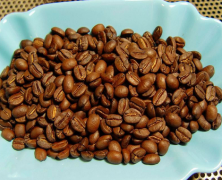
Brazil is the World’s Largest Coffee Producer – Here’s Why
If you’ve ever bought a bag of espresso beans or a bulk ground coffee labeled ‘Brazil,’ you’ve tasted the output of the world’s most prolific coffee-growing nation. But have you ever wondered what actually makes Brazilian coffee so consistent, so scalable, and so uniquely sweet and nutty? Whether you’re brewing filter or espresso, understanding Brazil’s role is key.
Brazil produces more coffee than any other country — over 5 billion pounds annually — thanks to its massive land area, diverse microclimates, and highly standardized grading and processing systems. Around 80% of its output is Arabica, with key producing regions spanning Minas Gerais, São Paulo, Espírito Santo, and beyond.
Why Brazil Produces More Coffee Than Any Other Country
Brazil’s territory spans multiple climate zones, from tropical to temperate, allowing coffee cultivation across a wide range of altitudes, primarily between 800m and 1200m. With well-established infrastructure, mechanized harvesting in flatter regions, and efficient processing methods like natural and pulped natural (semi-washed), Brazil achieves both volume and relative quality at scale. The country grows numerous varieties including Typica, Bourbon, Catuai, Caturra, Maragogype, and others. Harvest season runs from May to August, and the bulk of Brazilian coffee is classified under Grade 2 or 3, tailored for both commercial and specialty markets.
How Brazilian Coffee Is Processed & Graded
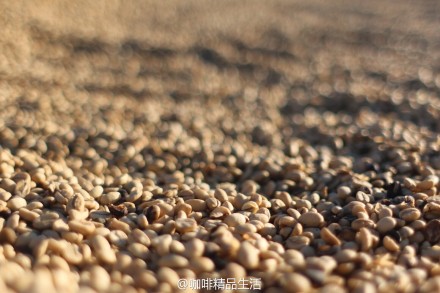
Brazil has one of the most advanced green coffee production systems globally. Most traditional Brazilian coffee is processed using the natural (dry) method: coffee cherries are dried with the fruit still attached, which imparts a distinct sweetness from the sugary mucilage. This approach is widely used in specialty roasteries. Wet or semi-washed (pulped natural) processing is also common, especially for higher-grade lots. The country’s rigorous quality standards ensure a reliable cup, whether the beans are destined for espresso blends or single-origin offerings. Processing methods include:
- Natural (Dry)
- Semi-Washed (Pulped Natural)
- Washed (less common but used in some regions)
Notable Brazilian Coffee Profiles: Santos No.2 and Yellow Bourbon
Two standout examples illustrate Brazil’s diverse offerings. The classic Brazil Santos No.2 is typically produced via natural drying, which preserves the fruity sweetness from the coffee cherry’s pulp. This method is responsible for the mild, sweet, and clean profiles common in Brazilian coffees sold worldwide. The 'Santos' name comes from the port through which much of Brazil’s coffee is exported, while 'No.2' designates a high-quality grade (the No.1 grade is extremely rare). Often, the '2' is dropped in trade, and you’ll simply see it labeled as 'Brazil Santos' or 'Brazil Bourbon Santos.' It is usually roasted to highlight sweetness and body, performing well across light to dark roasts.
The Brazil Yellow Bourbon variety differs markedly due to its unusual yellow fruit — hence the name. Unlike typical red coffee cherries, Yellow Bourbon ripens to a bright yellow and is more challenging to cultivate, with lower yields. It is processed via the pulped natural (semi-washed) method, which retains some fruit mucilage during drying, resulting in a clean cup with a soft acidity, sweet nuttiness, and prominent caramel or toasted bread notes. It thrives at around 1,100m altitude with annual rainfall between 1800–2000mm. These beans are known for their balanced mouthfeel and are often enjoyed as single-origin pour-overs or as a smooth component in espresso blends.
Both coffees exhibit these core sensory traits:
- Aroma: Sweet, often with fruity or floral notes
- Flavor: Nutty, chocolatey, sometimes with hints of caramel or tropical fruit
- Acidity: Low to mild
- Sweetness: High
- Body: Medium to full
- Aftertaste: Clean and pleasant
These profiles adapt well across roast levels from City to French, making them versatile for both filter and espresso brewing.
Brazil’s Coffee Regions and Key Growing Facts
Major coffee-producing regions in Brazil include:
- Minas Gerais (especially the Cerrado region)
- São Paulo
- Espirito Santo
- Rio de Janeiro
- Bahia
- Parana
- Goias
- Espirito Santo
These areas benefit from relatively flat terrain, which facilitates mechanized picking — a key reason Brazil leads in mass production. The country favors hardy, high-yielding Arabica varieties bred for sun-grown farming without the need for dense shade or high-altitude microclimates. This has allowed for cost-effective, large-scale cultivation and processing.
Frequently Asked Questions
What makes Brazil the biggest coffee producer in the world?
Brazil produces more coffee than any other nation, with over 5 billion pounds annually. This is due to its vast land area, diverse climates suitable for coffee, high-altitude and low-altitude growing zones between 800m–1200m, and efficient, mechanized farming and processing infrastructure. Most of its coffee is grown on large farms optimized for volume and consistency.
What is Brazil Santos No.2 coffee?
Brazil Santos No.2 is a high-grade Brazilian Arabica coffee, typically processed using the natural (dry) method that imparts a sweet, clean cup. 'Santos' refers to the export port, and 'No.2' indicates a top-tier quality grade. It is widely available in specialty stores and is known for its mild acidity, nutty sweetness, and suitability for espresso and filter brewing. In trade, the '2' is often omitted, and it may simply be called 'Brazil Santos.'
What does Yellow Bourbon coffee taste like?
Yellow Bourbon is a rare Brazilian coffee variety where the cherries ripen yellow instead of red. It is processed using the pulped natural method, which gives the coffee a clean cup, sweet flavor, and notable nuttiness. The profile includes sweet aromas, fruit notes, and a medium to full body with a soft acidity and pleasant aftertaste. It is often grown at around 1,100m altitude.
How is coffee processed in Brazil?
Brazil primarily processes coffee using natural (dry) and semi-washed (pulped natural) methods. In the natural method, coffee cherries are dried with the fruit still on the bean, increasing sweetness. In the semi-washed method, the skin is removed but some mucilage remains during drying, balancing sweetness and cleanliness. Washed processing is less common but used in select regions.
What are the main coffee-growing regions in Brazil?
Key Brazilian coffee regions include Minas Gerais (especially Cerrado), São Paulo, Espírito Santo, Bahia, Rio de Janeiro, Paraná, Goiás, and others. Most are located at elevations between 800m and 1200m, with flat terrain suited for mechanized harvesting and large-scale production.
Recommended FrontStreet Brazilian Single Origins
For a true taste of Brazilian coffee, try FrontStreet’s Brazil Queen Manor — a single-origin from the high-altitude Moji Guaçu region, showcasing the rare Yellow Bourbon variety. It’s roasted medium-dark to bring out creamy textures, nutty depth, and notes of roasted peanuts, toast, and baking spices. Also explore FrontStreet’s classic Brazilian offerings found in their Black Cocoa Blend, which highlights Brazil’s signature low-acid, chocolatey, and nut-forward profile, ideal for espresso. These beans deliver the country’s renowned balance, sweetness, and body — perfect for everyday brewing or blending. Freshly roasted within 5 days · Orders placed before 17:00 ship the same day · Next-day delivery across most of Guangdong Province.
FrontStreet Coffee is a long-established specialty coffee roaster in Guangzhou China, selling freshly roasted beans from its own farm in Yunnan as well as dozens of carefully selected single-origin beans from around the world for both pour-over and espresso. The products deliver consistently excellent quality and great value, with shipping within 24 hours. Guangzhou's FrontStreet Coffee shop is recommended by many coffee lovers, and the beans are now available online at the Tmall 。
Important Notice :
前街咖啡 FrontStreet Coffee has moved to new addredd:
FrontStreet Coffee Address: 315,Donghua East Road,GuangZhou
Tel:020 38364473