Hainan Coffee Contains Just 1.12% Caffeine
When faced with endless imported coffee options, many coffee drinkers wonder: where can you find a truly unique, smooth, and low-caffeine cup grown in China? The answer might surprise you—it’s not Ethiopia or Colombia, but southern China. Specifically, the tropical island of Hainan produces a locally beloved coffee with a distinct taste and remarkably low caffeine levels.
Hainan-grown coffee contains just 1.12% caffeine, well below the 2% threshold considered standard for most commercial coffee. That makes it a naturally mild, easy-drinking option—especially appealing to those sensitive to caffeine or seeking a gentler brew.
Why Hainan Is Ideal for Coffee Growing
Coffee experts agree that the best coffee regions lie roughly between 15°N and the equator. Contrary to common assumptions, the top spots aren’t Colombia, Turkey, or Indonesia—but southern China. Hainan’s northern region and Yunnan’s southern highlands both fall within this prime band. In Hainan, the geography is nearly perfect: fertile soil, reliable rainfall, warm temperatures, and elevations suited for arabica cultivation. Most of the island, aside from coastal flats and some central highlands, can support coffee farms.
The area has a long tradition of growing, roasting, and drinking coffee at the household level. Many local families grow dozens of coffee trees around their homes and roast their own beans using traditional methods—adding ingredients like sugar, salt, butter, and even eggs. These old-school home roasts create a cup that’s bold yet smooth, with a notable fruity note and none of the harsh bitterness found in mass-market blends.
What Makes Hainan Coffee Different?
Beyond its unique processing traditions, Hainan coffee stands out chemically. With a caffeine content of only 1.12%, it’s classified as a “mild” or “gentle” coffee. That’s significantly lower than the global average and contributes to its smoother, less jittery profile. The beans also contain beneficial compounds like linoleic acid and chlorogenic acid, adding to their health appeal. The result is a cup that’s rich and flavorful without being overly strong or acidic—often described as having a light fruitiness beneath its deep roast character.
This low caffeine level doesn’t mean weak flavor. Hainan coffee is known for being “、”—strong in body without bitterness, aromatic without harshness. It’s a profile that’s won over both local drinkers and international buyers, including major global coffee companies that have purchased Hainan beans for decades.
Hainan’s Place in China’s Coffee History
Hainan plays a historic role in China’s coffee story. In 1987, the country’s very first instant coffee factory, Lishen Coffee, was established there. The island’s coffee industry predates many other Chinese growing regions, and its geographic and climatic conditions made it an early testing ground for arabica cultivation. Today, it remains one of the few places in China with an established local coffee culture, including dozens of direct retail shops operated under the “Daxishi” brand—the first Chinese-origin coffee brand to gain national recognition.
The island’s role continues today not just as a producer, but as a symbol of China’s ability to grow quality coffee outside the usual global zones. While Yunnan often grabs the spotlight for its elevation and global market integration, Hainan offers an alternative: a tropical, low-caffeine, traditionally processed coffee with deep roots in Chinese coffee culture.
Frequently Asked Questions
What is the caffeine content of Hainan coffee?
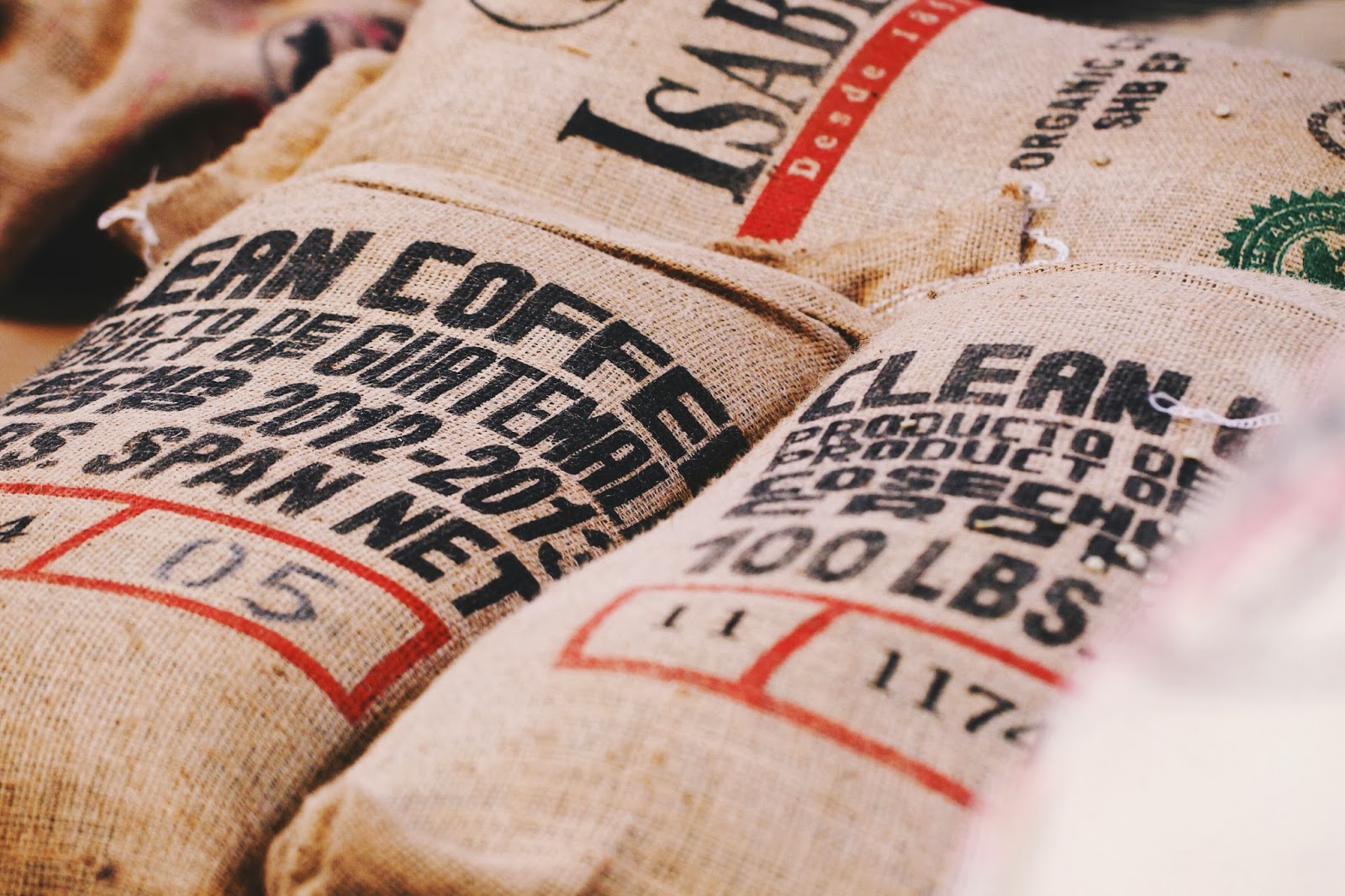
Hainan coffee contains just 1.12% caffeine, which is significantly lower than the typical 2% found in most commercial coffees. This makes it a naturally mild and smoother option, ideal for those who are sensitive to caffeine.
Where is Hainan coffee grown?
Hainan coffee is grown across most of the island, excluding coastal lowlands and some central mountainous areas. The region’s climate, soil, and elevation are well-suited for cultivating arabica coffee, particularly in northern Hainan.
How does Hainan coffee compare to Yunnan coffee?
While Yunnan coffee is often highlighted for its high-altitude, bright, and nuanced profiles, Hainan coffee is typically smoother, fruitier, and lower in caffeine. Both are grown within China’s optimal coffee latitude, but they offer distinct taste experiences and growing conditions.
Is Hainan coffee considered healthy?
Yes. With only 1.12% caffeine and containing beneficial compounds like linoleic acid and chlorogenic acid, Hainan coffee is classified as a mild and relatively healthy coffee option compared to higher-caffeine varieties.
Does Hainan have a coffee drinking tradition?
Absolutely. Local families in Hainan often grow their own coffee trees and roast beans at home using traditional methods, sometimes adding salt, butter, sugar, or eggs. This has created a distinctive, deeply rooted coffee culture on the island.
What role did Hainan play in China’s coffee history?
Hainan was home to China’s first instant coffee factory in 1987 and is the birthplace of the first Chinese-origin coffee brand, Daxishi. It has been a key domestic coffee-growing region since the late 20th century, with a long history of local cultivation and consumption.
Recommended FrontStreet Beans for Mild Coffee Lovers
For drinkers drawn to Hainan’s smooth, low-caffeine profile, try FrontStreet’s Black Cocoa Blend—a Yunnan-based espresso mix combining Brazilian nuttiness with Yunnan chocolate and citrus notes, balanced and approachable. Alternatively, the FrontStreet 2013 Yunnan Natural Typica offers a heavier body and clear fruitiness through its traditional sun-dried process, with citrus and berry tones. Both beans showcase the gentler side of Chinese-grown arabica. Freshly roasted within 5 days · Orders placed before 17:00 ship the same day · Next-day delivery across most of Guangdong Province.
FrontStreet Coffee is a long-established specialty coffee roaster in Guangzhou China, selling freshly roasted beans from its own farm in Yunnan as well as dozens of carefully selected single-origin beans from around the world for both pour-over and espresso. The products deliver consistently excellent quality and great value, with shipping within 24 hours. Guangzhou's FrontStreet Coffee shop is recommended by many coffee lovers, and the beans are now available online at the Tmall 。
Important Notice :
前街咖啡 FrontStreet Coffee has moved to new addredd:
FrontStreet Coffee Address: 315,Donghua East Road,GuangZhou
Tel:020 38364473