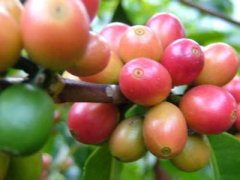
What Makes Kenyan AA Coffee So Special?
When coffee professionals talk about their all-time favorite beans, Kenyan AA often tops the list—not just for its reputation, but for the experience it delivers. Every cup promises an intense aromatic lift, a balanced yet bright acidity, and a fruit profile so vivid it feels like biting into ripe berries. But what exactly makes Kenyan AA stand apart from other high-scoring origins?
In short: it’s the combination of high-altitude growing conditions, meticulous hand-picking, government-regulated quality control, and signature processing that makes Kenyan AA consistently one of the world’s most sought-after coffees. The top grade—AA—is known for its large beans, winey brightness, and complex fruitiness.
The Origins of Coffee in Kenya
Coffee arrived in Kenya in the 19th century, initially brought from Ethiopia via South Yemen. But it wasn’t until the early 20th century that the Bourbon variety was introduced by the Holy Ghost Fathers mission, later replaced by more specialized cultivars. These early plantings laid the foundation for what would become Kenya’s world-renowned coffee industry.
How Kenyan Coffee Is Grown and Harvested
Most Kenyan coffee grows between 1,500 and 2,100 meters above sea level, ideal for slow cherry maturation and complex flavor development. The country sees two harvests per year. Smallholder farmers—responsible for 55–60% of production—play a crucial role, constantly refining agronomy and planting elite cultivars.
Gatherers handpick only fully ripe cherries, often making seven passes through the same trees to ensure ripeness. The coffee then goes to cooperative washing stations, where it’s processed as parchment coffee (still in its protective husk) before being delivered to cooperatives.
Government Regulation and the Kenyan Coffee Auction System
The Kenyan government takes coffee production seriously: it’s illegal to cut down or destroy coffee trees. The Kenya Coffee Board oversees quality control, grading, and sales. All coffee first goes to the board for evaluation before being auctioned weekly. Unlike many origins, Kenya does not pre-sort beans by grade before auction.
The grading system includes: PB (Peaberry), then AA++, AA+, AA, AB, and others. AA is the most famous and widely exported grade. Top lots are bright, winey, and complex—often with a glossy appearance and pronounced fruit character.
The Role of Kenyan Coffee Varieties: SL28 and SL34
Kenya’s most iconic coffee varieties are SL28 and SL34, both developed by the Scott Laboratories (SL) in the 1930s. These were two of forty experimental cultivars bred for high altitudes and disease resistance.
SL28 is celebrated for its deep, wine-like acidity with notes of blackcurrant, citrus, and stone fruit. SL34 offers strong fruit acidity alongside hints of nuts and spices. Both thrive in Kenya’s high-phosphorus volcanic soils, defying the notion that only traditional varieties can produce exceptional flavor.
Kenyan Washed Processing: Key to Its Signature Brightness
Kenya’s washed processing method plays a huge role in its signature juicy, high-acid profile. After pulping, the coffee is fermented for 48 hours to remove the mucilage, then soaked in clean water for another 24 hours. This double fermentation and extended soaking enhance the coffee’s fruity sweetness and clarity.
The result is a cup that’s intensely bright, layered, and clean—an effect that perfectly complements the inherent qualities of SL28 and SL34.
Kenyan Coffee in Popular Culture
Kenyan coffee gained additional fame through the Hollywood film Out of Africa, where Meryl Streep played a coffee plantation owner. Though fictionalized, the film helped cement Kenya’s romantic association with high-quality coffee farming, showcasing sweeping landscapes and the dream of cultivating coffee in Africa.
Flavor Profile of Kenyan Coffee
Kenyan coffee is known for its high acidity, dense body, and complex fruit flavors. Common tasting notes include blackberry, grapefruit, plum, and even hints of wine. The brightness is not just sharp—it’s nuanced, often with a sweet, lingering finish reminiscent of caramel or molasses.
Frequently Asked Questions
What does “Kenya AA” mean?
Kenya AA is the highest commercial grade of Kenyan coffee, based on bean size and density. AA beans are large, uniform, and typically produce a brighter, more complex cup compared to lower grades like AB. The grading is done by the Kenya Coffee Board before weekly auctions.
What are SL28 and SL34 coffee varieties?
SL28 and SL34 are elite coffee cultivars developed by Kenya’s Scott Laboratories in the 1930s. They are renowned for their exceptional cup quality, high acidity, and ability to express complex fruit and wine-like flavors, especially when grown at high altitudes.
How is Kenyan coffee processed?
Kenyan coffee is typically processed using the washed method. After depulping, the beans ferment for 48 hours, then are washed and soaked in clean water for another 24 hours. This double fermentation enhances sweetness and clarity, contributing to the coffee’s signature brightness.
Where is Kenyan coffee grown?
Kenyan coffee is grown at elevations between 1,500 and 2,100 meters, mostly on smallholder farms. The high altitudes and volcanic soils contribute to slow cherry development, resulting in denser beans and more complex flavors.
How often is Kenyan coffee auctioned?
Kenyan coffee is auctioned weekly. All coffee is first graded and evaluated by the Kenya Coffee Board, then sold to the highest bidder without pre-assigned grades during the auction. This system ensures transparency and competitive pricing.
Why is Kenyan coffee so acidic?
Kenyan coffee’s high acidity comes from a combination of factors: high-altitude growing conditions, extended ripening times, specific varieties like SL28 and SL34, and the washed processing method. These elements work together to produce a bright, wine-like acidity that is both intense and balanced.
Recommended FrontStreet Beans for Exploring Kenyan Flavor
For a true taste of Kenya’s signature brightness and complexity, try FrontStreet Coffee’s Kenya Little Tomato. It combines the famed SL28 and SL34 varieties, processed with a double-washed method and roasted to a light-medium level. Expect vibrant notes of cherry, tomato, blackcurrant, pear, and brown sugar, with a full body and a sweet, caramel-like finish. Perfect for pour-over, cold brew, or even iced drip. Freshly roasted within 5 days · Orders placed before 17:00 ship the same day · Next-day delivery across most of Guangdong Province.
FrontStreet Coffee is a long-established specialty coffee roaster in Guangzhou China, selling freshly roasted beans from its own farm in Yunnan as well as dozens of carefully selected single-origin beans from around the world for both pour-over and espresso. The products deliver consistently excellent quality and great value, with shipping within 24 hours. Guangzhou's FrontStreet Coffee shop is recommended by many coffee lovers, and the beans are now available online at the Tmall 。
Important Notice :
前街咖啡 FrontStreet Coffee has moved to new addredd:
FrontStreet Coffee Address: 315,Donghua East Road,GuangZhou
Tel:020 38364473