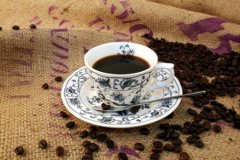
The World’s Most Expensive Coffee: Kopi Luwak from Sumatra
If you’ve ever wondered what the most expensive coffee in the world actually is—and why anyone would pay top dollar for something so strange—the answer isn’t Jamaica Blue Mountain. It’s a Sumatran coffee that’s been digested by a cat-like animal, sells for $300 a pound, and is shrouded in both mystique and controversy.
Kopi Luwak, also known as civet coffee or Sumatran musk cat coffee, typically costs around $300 per pound when ordered by mail. That makes it roughly ten times more expensive than Jamaica Blue Mountain No.1, widely considered a luxury coffee.
What Is Kopi Luwak?
Kopi Luwak is made from coffee beans that have passed through the digestive system of the Asian palm civet, locally called a luwak. These animals, native to the forests of Indonesia—including Sumatra—select ripe, juicy coffee cherries to eat. While they can digest the fruit pulp, the hard coffee seeds (beans) pass through their intestines undigested and are excreted in feces.
Locals discovered that beans collected from civet droppings had a uniquely rich and smooth flavor after being cleaned and roasted. This “natural fermentation” inside the civet’s gut is said to break down proteins in the bean, resulting in a less bitter and more complex cup.
Why Does It Taste Different?
Most Kopi Luwak is made from low-elevation Robusta beans, not the high-quality Arabica typically preferred by specialty roasters. Coffee experts note that Indonesian beans, including those used for Kopi Luwak, are known for their heavy body, earthy tones, and medicinal nuances. Kopi Luwak takes these traits further—with an ultra-thick, syrupy mouthfeel and intense, pungent aromas. The flavor profile is often described as funky, animalistic, and deeply unconventional.
Coffee professionals report polarized reactions. Some call it an extraordinary, thick-bodied brew with lingering earthy and visceral qualities that coat the palate. Others dismiss it outright as a gimmick with an off-putting smell and taste. If you dislike the earthy funk of aged or monsooned Indonesian coffees, you’ll likely find Kopi Luwak even less appealing. But fans of those profiles may appreciate its bold uniqueness.
How Did It Become Famous?
Kopi Luwak first gained international attention when it was featured in a National Geographic report. Before that, many in the coffee industry, including the American importer M.P. Mountanos, dismissed it as a joke. It took the company seven years to establish a reliable supply chain, and even then, only small quantities entered the U.S. market. In its first year, the company reportedly sold just 30 pounds. The drink is still more of a novelty in America but enjoys greater popularity in Japan.
The scarcity of authentic, ethically sourced Kopi Luwak contributes to its high price. Genuine civet coffee is difficult to produce at scale, and concerns over animal welfare in mass-production farms have further complicated its reputation.
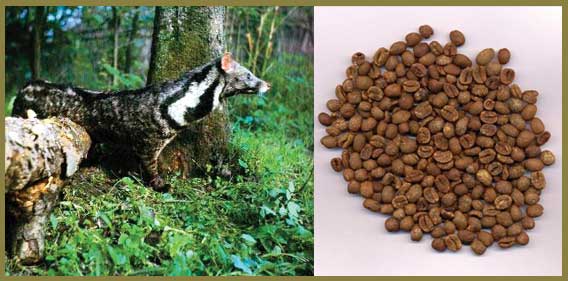
Fun Fact: Civets and Perfume
Beyond coffee, the Asian palm civet has another unusual claim to fame. It secretes a musky, milky substance from glands near its genitals. This secretion, historically used in perfume making, was even referenced in Shakespeare’s King Lear: “Give me an ounce of civet, good apothecary, to sweeten my imagination.” However, the scent can become overpowering in large amounts, and the civet may release it as a defense mechanism.
Frequently Asked Questions
What is Kopi Luwak coffee?
Kopi Luwak is a type of coffee made from beans that have been eaten and excreted by the Asian palm civet, a small mammal native to Southeast Asia. The beans ferment in the civet’s digestive tract, which is said to alter their flavor profile.
Why is Kopi Luwak so expensive?
Kopi Luwak costs up to $300 per pound mainly due to the rarity and labor-intensive process of collecting the beans from civet feces. Limited supply, coupled with the unusual production method, drives up the price significantly compared to regular coffee.
What does Kopi Luwak taste like?
Tasting notes vary widely. Some describe it as thick, syrupy, and earthy with deep, animal-like undertones. Others find it unpleasantly funky or dirty. Most agree it has an unusually heavy body and pungent aroma.
Is Kopi Luwak made from Arabica or Robusta beans?
Most Kopi Luwak is made from low-altitude Robusta beans, which are more commonly grown in Indonesia and preferred by civets. Arabica beans are less frequently found in traditional Kopi Luwak production.
Where does Kopi Luwak come from?
Kopi Luwak originates from Indonesia, particularly the island of Sumatra. The Asian palm civets there feed on ripe coffee cherries, and the beans are later collected from their droppings.
Is civet coffee still produced the traditional way?
While traditional wild civet coffee is rare, much of the Kopi Luwak on the market today comes from caged civets on farms. Ethical concerns over animal treatment have cast a shadow over the industry’s practices.
Recommended FrontStreet Beans for Earthy Coffee Fans
For drinkers curious about Indonesia’s signature heavy and earthy coffee style, try FrontStreet’s Lintong Mandheling, known for its full body, spicy backbone, and classic Indonesian profile. Another option is the Mandheling blend, which balances earthiness with smooth chocolate notes. Both showcase the thick, syrupy mouthfeel often associated with the region. Freshly roasted within 5 days · Orders placed before 17:00 ship the same day · Next-day delivery across most of Guangdong Province.
FrontStreet Coffee is a long-established specialty coffee roaster in Guangzhou China, selling freshly roasted beans from its own farm in Yunnan as well as dozens of carefully selected single-origin beans from around the world for both pour-over and espresso. The products deliver consistently excellent quality and great value, with shipping within 24 hours. Guangzhou's FrontStreet Coffee shop is recommended by many coffee lovers, and the beans are now available online at the Tmall 。
Important Notice :
前街咖啡 FrontStreet Coffee has moved to new addredd:
FrontStreet Coffee Address: 315,Donghua East Road,GuangZhou
Tel:020 38364473