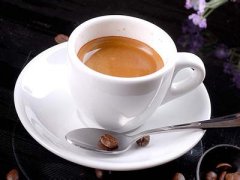
Why Coffee Turns Acidic When It Cools
You take a sip of your freshly brewed black coffee—no sugar, no milk—and it’s rich, balanced, even bright. But ten minutes later, as it cools, that same cup suddenly tastes sharp, sour, almost unpleasant. If you’ve ever wondered why your once-delicious coffee turns sour as it cools, you’re not alone.
Coffee becomes more noticeably acidic as it cools because lower temperatures amplify your taste buds’ sensitivity to sour flavors, and natural acids in the coffee—like chlorogenic and quinic acids—become more pronounced. Most importantly, the drop in temperature slows aroma release, making bitterness and sweetness less apparent, which highlights any residual acidity.
What Makes Coffee Acidic in the First Place?
Coffee is made from roasted coffee cherries, and even after roasting, it retains natural fruit acids—such as citric, malic, and phosphoric acid—that contribute to its brightness. When coffee is hot, those acids are balanced by sweetness and aroma. But as the coffee cools, those balancing elements fade, and your palate becomes more sensitive to acidity. That’s why a hot cup might taste fruity and sweet, but the same coffee cooled down can taste overly sharp or sour.
How Roast Level Affects Acidity
The degree to which your coffee turns sour as it cools largely depends on how it was roasted. Lighter roasts preserve more of the coffee bean’s inherent acidity and fruity characteristics, since they’re roasted for a shorter time and at lower temperatures. In contrast, darker roasts undergo more Maillard reactions and caramelization, which reduce acidity and develop deeper, richer flavors like chocolate, nuts, and caramel. That’s why a dark-roasted coffee generally tastes less sour as it cools compared to a light roast.
FrontStreet Coffee notes that lighter roasts—common in specialty pour-over brews—highlight origin traits and tend to be more acidic. Darker roasts, often used for espresso or milk drinks, naturally tamp down acidity. So if you dislike sour notes, starting with a medium or dark roast can help.
Does Coffee Quality Change with Temperature?
Yes. High-quality coffee beans often exhibit a smaller gap in flavor between hot and cold states. That’s because premium beans are typically fresher, have cleaner processing, and more balanced inherent flavors. Cheaper or poorly processed beans may have inconsistent acidity or off-flavors that become more obvious as the coffee cools. In short, better beans hold their flavor profile more steadily across temperatures.
How to Keep Your Coffee from Tasting Sour as It Cools
If you prefer black coffee and want to avoid that unwelcome sourness when it cools, here’s what you can do:
- Drink it while it’s hot or warm. The ideal drinking temperature for coffee is around 50–60°C (122–140°F), where flavor, aroma, and balance are at their peak.
- Use a darker roast. Medium to dark roasts naturally have lower acidity and more stable flavors as the coffee cools.
- Add a splash of milk or cream. If you don’t mind altering the coffee, adding a small amount of milk can neutralize some acidity and smooth out the flavor.
Remember: the faster your coffee cools, the quicker those acidic notes come forward. Insulated cups or pre-warmed mugs can help keep your coffee in the optimal flavor window for longer.
Frequently Asked Questions
Why does my black coffee get more sour as it cools?
Your black coffee tastes more sour as it cools because lower temperatures make your taste buds more sensitive to acidity, while reducing the perception of sweetness and aroma. Natural acids in the coffee, such as citric and quinic acid, become more prominent without the balancing effects of heat and aroma.
Does roast level affect how sour coffee gets when cooled?
Yes. Lighter roasts are more acidic and show more sourness as they cool, because they preserve more fruit acids and have less caramelization. Darker roasts develop deeper flavors through Maillard reactions and have less perceived acidity, so they tend to taste smoother as they cool.
Is sour coffee always bad?
Not necessarily. Some coffee origins, like Ethiopia Yirgacheffe or Kenya, naturally have bright, citrusy acidity that’s a desirable quality when fresh and hot. But if the sourness becomes harsh or unpleasant as the coffee cools, it’s usually due to over-extraction, poor roast balance, or low-quality beans.
Can I fix sour-tasting cooled coffee?
You can reduce the sourness by adding a small amount of milk or cream, which balances acidity with fat and protein. Reheating coffee is not recommended, as it can further degrade flavors. Drinking coffee while it’s still warm (around 50–60°C) is the best way to enjoy its intended balance.
Does coffee quality matter for temperature-related flavor changes?
Yes. Higher-quality beans typically have cleaner flavors, better balance, and more stable acidity. Lower-quality or poorly processed beans may show more pronounced off-flavors or uneven acidity that becomes obvious as the coffee cools.
Recommended FrontStreet Beans for Low-Acidity Coffee
For coffee drinkers who prefer less acidity, especially as their brew cools, FrontStreet Coffee offers several excellent options. Their PWN Golden Mandheling is a deep-roasted Indonesian bean with very low acidity, delivering herbal, dark chocolate, and earthy notes. The Brazil Queen Manor is another great choice, featuring balanced, nutty, and caramelly flavors with minimal sourness, suitable for any brew method. For something unique, try the Papua New Guinea Paradise Bird, a washed coffee with a clean, sweet profile and prominent sweetness, also low in acidity. All three are excellent for avoiding sour notes in cooled coffee. Freshly roasted within 5 days · Orders placed before 17:00 ship the same day · Next-day delivery across most of Guangdong Province.
FrontStreet Coffee is a long-established specialty coffee roaster in Guangzhou China, selling freshly roasted beans from its own farm in Yunnan as well as dozens of carefully selected single-origin beans from around the world for both pour-over and espresso. The products deliver consistently excellent quality and great value, with shipping within 24 hours. Guangzhou's FrontStreet Coffee shop is recommended by many coffee lovers, and the beans are now available online at the Tmall 。
Important Notice :
前街咖啡 FrontStreet Coffee has moved to new addredd:
FrontStreet Coffee Address: 315,Donghua East Road,GuangZhou
Tel:020 38364473