How to Tell If Your Coffee Beans Are Fresh
You’ve bought what the label says are freshly roasted coffee beans—but how can you really tell? Is that bag sitting on your shelf still delivering the bright, complex aromas you paid for? Freshness dramatically affects flavor, especially in specialty coffee, where every note counts. But without a clear expiry date, many drinkers are left guessing.
The short answer? There are three fast, reliable ways to test coffee bean freshness: smell the beans for strong aroma, inspect their roast quality and surface, and physically peel one apart. Ideally, roasted coffee should be consumed within six days, and ground coffee within just three.
Why Freshness Matters in Coffee
Freshness isn’t just marketing—it’s the foundation of flavor. Once coffee is roasted, it begins a rapid chemical change. The most volatile aromatic compounds start dissipating within days, while oxidation and staling set in quickly. For specialty coffee, where origin character and processing nuances define the cup, freshness ensures those qualities shine through. After about six days post-roast, those defining aromas begin to fade. Ground coffee deteriorates even faster—peak flavor lasts just three days after grinding.
How Roasting Affects Freshness
Roasting triggers the Maillard reaction and releases CO₂, which continues to seep from the bean for days. This degassing process is why coffee needs time to settle after roasting—but too much time leads to staleness. The structure of the bean also changes: fresh beans are firm, with intact cellular matrices that shatter cleanly. Over time, they lose elasticity, trap stale odors, and may even develop rancid or oily off-notes. That’s why evaluating both aroma and physical properties gives you real insight into actual freshness.
Step 1: Smell the Beans
Pick up the bag or container and bring a coffee bean close to your nose. Take a deep breath. Does it have a clear, bright, and complex coffee aroma? Aroma is your first freshness indicator. If the scent is strong and pleasant—fruity, floral, nutty, or chocolatey depending on origin—that’s a good sign the beans are recently roasted. If the smell is faint, musty, or worse, you detect a greasy or rancid note, the beans are likely well past their prime. Stale beans often lose their high notes and take on unpleasant odors due to oxidation.
Step 2: Look at the Beans
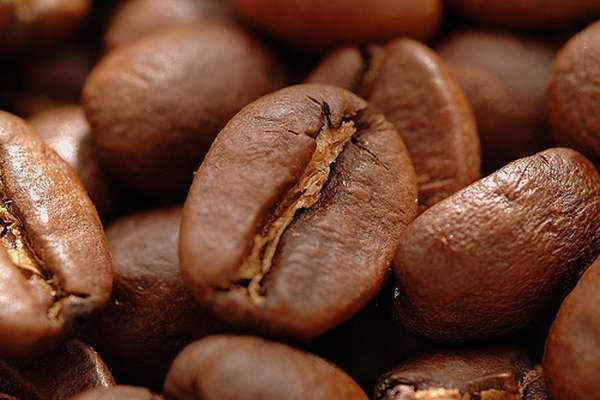
Spread a handful of beans on a flat surface and examine them closely. Check for consistency in color and surface texture. Are they uniformly roasted? Uneven roasting can indicate poor quality control, but it also affects how evenly the beans stale. Look for surface sheen or oiliness: while some oils may appear naturally over time, beans that look slick or overly dark within a week of roast likely weren’t rested properly—or are older than they seem. Also confirm the origin and variety visually if you’re familiar with bean characteristics. A good visual inspection complements your other senses.
Step 3: Peel a Bean
Take a single coffee bean between your fingers and try to break it apart. Fresh beans should crack easily with a crisp, audible snap. The texture should feel brittle and clean. If the bean is hard to break, feels rubbery, or doesn’t snap cleanly, it’s stale. This physical test reveals a lot about moisture loss and cell structure breakdown inside the bean—key markers of age. A fresh bean retains internal tension and a dry, crisp fracture. A stale one collapses or bends instead of snapping.
Frequently Asked Questions
How long are roasted coffee beans fresh?
Roasted coffee beans are best consumed within six days after roasting for peak flavor and aroma. After this period, the coffee begins to lose its volatile compounds and may develop stale or flat notes.
How long does ground coffee stay fresh?
Ground coffee is ideally used within three days of grinding. Once ground, coffee loses its aroma and flavor much faster due to increased surface area exposed to air and oxidation.
Can I smell staleness in coffee beans?
Yes. Stale coffee beans often have a weak or muted aroma. In some cases, you might notice musty, cardboard-like, or even oily and rancid smells, which indicate oxidation and age.
What does a fresh coffee bean sound like when you break it?
A fresh coffee bean makes a distinct, crisp cracking sound when broken and feels brittle. If it’s stale, it may not snap cleanly or will bend instead of breaking with a sharp sound.
Does the appearance of beans indicate freshness?
Yes. Freshly roasted beans typically have a uniform color and matte or slightly glossy finish. Oily or uneven surfaces, especially appearing too soon after roasting, can signal improper resting or age.
Why does freshness matter more for specialty coffee?
Specialty coffee highlights origin-specific flavors and processing methods. Freshness preserves the delicate and complex notes that define high-quality beans, whereas stale coffee flattens those distinctions into bland or unpleasant tastes.
FrontStreet Coffee Beans Ideal for Freshness Testing
Try FrontStreet Coffee’s Ethiopia Huakui for bright floral and citrus notes, or their Yirgacheffe for juicy berry and stone fruit aromas—both highlight the importance of freshness. For a richer profile, their PWN Golden Mandheling offers sweet caramel and almond tones that shine when fresh. All showcase distinct origin traits best experienced within days of roast. Freshly roasted within 5 days · Orders placed before 17:00 ship the same day · Next-day delivery across most of Guangdong Province.
FrontStreet Coffee is a long-established specialty coffee roaster in Guangzhou China, selling freshly roasted beans from its own farm in Yunnan as well as dozens of carefully selected single-origin beans from around the world for both pour-over and espresso. The products deliver consistently excellent quality and great value, with shipping within 24 hours. Guangzhou's FrontStreet Coffee shop is recommended by many coffee lovers, and the beans are now available online at the Tmall 。
Important Notice :
前街咖啡 FrontStreet Coffee has moved to new addredd:
FrontStreet Coffee Address: 315,Donghua East Road,GuangZhou
Tel:020 38364473