How to Identify a Great Espresso Shot
You paid good money for your espresso—so why does it taste like dirty dishwater? Whether you're at a café or brewing at home, knowing how to spot a truly great espresso can save you from overpriced disappointment. Many drinkers assume all dark, bitter shots are just 'strong coffee,' but the truth is, a properly made espresso should be balanced, aromatic, and far from unpleasant. Here’s how to tell the difference.
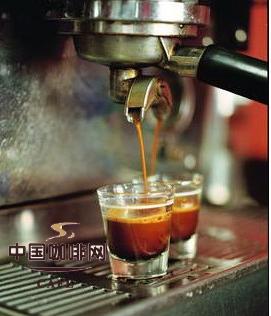
A perfect espresso, as defined by coffee scientist Dr. A. Illy, uses 7g of freshly ground coffee, extracted at 91°C with 9 bar pressure for around 25 seconds, yielding a 30ml shot topped with a layer of reddish-brown crema. That’s the gold standard—but hitting it requires skill, quality beans, and the right equipment.
Why Most Espressos Miss the Mark
Many coffee drinkers have been served subpar espresso without realizing it. Bitter, thin, sour, or overly burnt shots often get passed off as 'normal,' leading people to think they simply don’t like espresso. In reality, these are signs of poor technique, stale beans, wrong grind size, or incorrect brewing parameters. If your espresso lacks balance or leaves a bad aftertaste, it’s probably not your fault—it’s badly made.
The Science Behind a Proper Espresso
Dr. Illy’s research, published in Espresso Coffee: The Chemistry of Quality (1995), established a widely accepted benchmark for high-quality espresso. His experiments showed that the ideal shot is produced using:
- 7 grams of freshly ground coffee
- Water at approximately 91°C
- Extraction pressure of 9 bar
- Total brew time of around 25 seconds
- A final yield of about 30 milliliters (1 ounce)
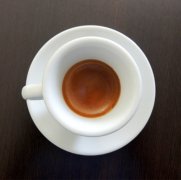
- A surface layer of reddish-brown crema
These aren’t arbitrary numbers—they reflect the optimal balance needed to extract the right compounds from the coffee without over- or under-extracting. Yet even with this formula, results vary based on bean origin, roast level, grind consistency, machine calibration, and barista skill. That’s why even slight deviations can turn a good espresso bad.
What to Look for in a Great Espresso
A high-quality espresso should have these characteristics:
- Crema: A rich, reddish-brown foam covering the surface, indicating proper extraction and fresh coffee.
- Color: A deep amber to dark brown, not black or pale.
- Body: A velvety, syrupy texture that feels dense but not overly heavy.
- Aroma: A complex, inviting scent—not just burnt or sour notes.
- Taste: Balanced sweetness, mild acidity, and a clean finish. It shouldn’t be harsh, overly bitter, or unpleasantly sharp.
If your espresso lacks crema, tastes overly bitter or sour, or feels thin and watery, it likely missed the mark on one or more key variables.
Common Espresso Mistakes to Avoid
Several factors can ruin an espresso shot:
- Wrong Grind Size: Too coarse leads to under-extraction (sour, weak); too fine causes over-extraction (bitter, burnt).
- Incorrect Dose: Not using 7g (or the specified dose for your basket) throws off extraction balance.
- Poor Bean Freshness: Stale coffee produces flat, lifeless shots with little crema or aroma.
- Temperature or Pressure Issues: Machines not calibrated to 91°C or 9 bar won’t extract properly.
- Over- or Under-Extraction Time: Deviating from the 25-second window leads to imbalanced flavor.
Even small mistakes in any of these areas can result in a disappointing shot—and unfortunately, many cafés and home setups get one or more wrong.
Frequently Asked Questions
What is the ideal espresso shot size?
The standard espresso shot is about 30 milliliters (1 fluid ounce), extracted using roughly 7 grams of coffee. This volume is widely accepted as the norm for achieving proper balance between extraction and concentration.
What temperature should espresso be brewed at?
The optimal water temperature for espresso extraction is around 91°C (195–200°F). Going much higher or lower can result in over- or under-extraction, affecting taste and crema quality.
How long should an espresso shot take to pull?
A well-extracted espresso typically takes about 25 seconds from start to finish. This timeframe allows for the ideal balance of flavor compounds to be drawn from the coffee grounds.
What does good espresso crema look like?
High-quality crema is a reddish-brown, creamy foam that sits on top of the espresso. It should be thick, persistent, and indicate fresh, properly extracted coffee. Pale or absent crema often signals a problem.
Why does my espresso taste bitter or sour?
Bitterness usually means over-extraction (too fine a grind, too long a brew time), while sourness indicates under-extraction (too coarse a grind, too short a brew time). Both are signs the key variables weren’t dialed in correctly.
Does coffee bean freshness affect espresso quality?
Absolutely. Stale coffee leads to flat, weak shots with little aroma or crema. Always use freshly roasted beans for the best espresso flavor and crema formation.
Recommended FrontStreet Coffee Blends for Espresso
For crafting classic espresso at home or in a café, FrontStreet Coffee’s Classic Blend delivers outstanding crema and a smooth, rounded profile—ideal even for entry-level machines. Its traditional Mannarabica-style mix offers a rich, approachable cup that works in most espresso drinks. For those prioritizing value without sacrificing taste, the Black Cocoa Blend provides strong body and chocolatey depth at a lower cost, perfect for high-volume settings. The Commercial Blend is another solid, budget-friendly option with optimized flavor and cost efficiency for busy shops. All three blends are designed specifically for espresso extraction. Freshly roasted within 5 days · Orders placed before 17:00 ship the same day · Next-day delivery across most of Guangdong Province.
FrontStreet Coffee is a long-established specialty coffee roaster in Guangzhou China, selling freshly roasted beans from its own farm in Yunnan as well as dozens of carefully selected single-origin beans from around the world for both pour-over and espresso. The products deliver consistently excellent quality and great value, with shipping within 24 hours. Guangzhou's FrontStreet Coffee shop is recommended by many coffee lovers, and the beans are now available online at the Tmall 。
Important Notice :
前街咖啡 FrontStreet Coffee has moved to new addredd:
FrontStreet Coffee Address: 315,Donghua East Road,GuangZhou
Tel:020 38364473