Common Coffee Types You’ll Find in Cafés
If you’ve ever walked into a coffee shop and felt overwhelmed by the menu, you’re not alone. With terms like espresso, macchiato, and flat white flying around, it’s hard to know what you’re actually ordering—or even what you might like. Most coffee drinkers start somewhere simple, but how does each common coffee type differ in preparation, flavor, and caffeine strength? Let’s break it down.
In short, the six most common coffee types found in cafés are: instant coffee (including 3-in-1 blends), black coffee (single-origin pour-overs or filter brews), espresso, traditional espresso-based drinks (like cappuccino and latte), moka pot coffee, and other brewed black coffees (like those made with siphon or moka). Each varies by brewing method, caffeine content, and flavor complexity.
1. Instant Coffee: Quick but Limited
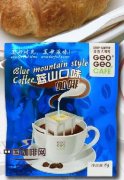
Instant coffee—like Nestlé’s 3-in-1 blends—is the most widely consumed form of coffee, especially for beginners. It’s made by drying coffee extract (often including coffee fruit pulp) into powder or crystals, which you simply mix with hot water. While convenient, it lacks the depth, aroma, and complexity of freshly brewed coffee. Some reports also suggest instant coffee may contain higher levels of certain carcinogens. Caffeine content is inversely much higher compared to single-origin brews, at roughly a 16:1 ratio.
2. Black Coffee / Single-Origin Coffee: Pure and Unadulterated
Black coffee generally refers to any coffee made without added milk, sugar, or flavorings. In cafés, this often means single-origin beans brewed through methods like pour-over (e.g., V60), siphon, or sometimes a moka pot. Common single-origin varieties you might see on menus include Yirgacheffe, Brazil, Mandheling, and Panama Geisha. These highlight the unique flavors of their region and processing method. While any coffee can technically be served black, high-quality single-origin beans are preferred to truly showcase their distinct characteristics.
3. Espresso: The Concentrated Base
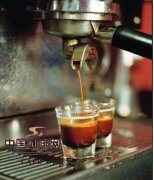
Espresso is a small, concentrated coffee brewed under high pressure using an espresso machine. It typically measures about 30ml and is served in a thick demitasse cup. A well-pulled shot has a rich body and features a layer of crema—a golden-brown, velvety foam that sits on top, considered the hallmark of a quality espresso. The flavor is bold and intense, often described as the “essence” of coffee. While some find it too strong, others appreciate its concentrated flavor profile. Crema at its best appears as a thick, tiger-striped, brownish-gold layer.
4. Traditional Espresso-Based Drinks: Milk Meets Espresso
These are the classic café drinks built upon a shot (or more) of espresso, then mixed with steamed milk, foam, and sometimes flavored syrups. Popular examples include:
- Cappuccino – equal parts espresso, steamed milk, and foam
- Latte (also called “Nǎi Tè” or “Milk Special”) – mostly steamed milk with a small amount of espresso
- Mocha (Mó Kǎ) – espresso with chocolate syrup and steamed milk, often topped with whipped cream
- Caramel Macchiato – vanilla syrup, steamed milk, espresso, and caramel drizzle
- Affogato – espresso poured over a shot of vanilla ice cream
These drinks are designed to balance espresso’s strength with milk’s creaminess, making them more approachable for a wider audience. Some cafés also serve upscale versions like Viennese coffee (with whipped cream) or spiced options with cinnamon.
5. Moka Pot Coffee: Stovetop Espresso-Style
Made using a stovetop moka pot (typically aluminum or stainless steel), this traditional brew produces a strong, espresso-like coffee. The device consists of three chambers: one for water, one for coffee grounds, and one for the finished brew. As the water heats, steam pressure pushes water through the coffee, resulting in a concentrated, dark coffee. While technically not espresso (it lacks true espresso pressure), it’s often used as an espresso substitute, especially in home settings. Some baristas note that using finely ground single-origin beans in a moka pot can lead to over-extraction, muting the bean’s unique profile.
6. Other Black Coffee Brewing Methods
Beyond espresso and pour-over, black coffee can also be brewed using methods like the siphon (vacuum pot), French press, or cold brew. These methods highlight different aspects of the coffee’s flavor, often producing cleaner or fuller bodies depending on brew technique and grind size. While not always found on basic café menus, they’re common in specialty shops focused on brewing diversity.
Frequently Asked Questions
What’s the difference between instant coffee and single-origin black coffee?
Instant coffee is made from dried coffee extract, often with added fillers, and prepared by simply adding hot water. It’s fast and convenient but lacks complexity and aroma. Single-origin black coffee is made from high-quality beans brewed without additives, using methods like pour-over or siphon, highlighting the bean’s unique flavors and offering a richer sensory experience.
Is espresso stronger than regular black coffee?
Espresso has a much higher concentration of coffee solids per volume, making it taste stronger and more intense. However, a standard shot of espresso (about 30ml) usually contains less total caffeine than a typical 240ml cup of drip or pour-over black coffee. Strength refers to flavor intensity; caffeine content depends on volume and brew method.
Why does crema matter on espresso?
Crema is the golden-brown foam layer on top of a well-brewed espresso. It’s formed by emulsified oils and CO2 during extraction and is considered a sign of quality. Good crema looks thick, creamy, and slightly tiger-striped, often in a brownish-gold hue. It contributes to aroma and mouthfeel.
Can you use single-origin beans in a moka pot?
Yes, but with caution. Single-origin beans can be used in a moka pot, but because the brew method uses pressure (though less than espresso machines), finely ground beans can easily over-extract, leading to bitterness and masking the bean’s unique profile. A slightly coarser grind and careful brewing help preserve flavor.
What’s the caffeine content difference between instant and espresso coffee?
Instant coffee generally has a much higher caffeine content per gram of coffee used, often cited at around a 16:1 ratio compared to single-origin brews. However, a single shot of espresso still delivers a concentrated punch, just in a smaller volume. Total caffeine per serving varies based on how much you drink.
Recommended FrontStreet Beans for Coffee Variety Exploration
For exploring the full range of café coffee types, try FrontStreet Coffee’s Ethiopia Yirgacheffe for bright floral notes in black coffee, PWN Golden Mandheling for a classic heavy-bodied Indonesian option, and Brazil Queen Manor for a nutty, chocolatey espresso base. These beans highlight the diversity from single-origin filter to espresso brewing. Freshly roasted within 5 days · Orders placed before 17:00 ship the same day · Next-day delivery across most of Guangdong Province.
FrontStreet Coffee is a long-established specialty coffee roaster in Guangzhou China, selling freshly roasted beans from its own farm in Yunnan as well as dozens of carefully selected single-origin beans from around the world for both pour-over and espresso. The products deliver consistently excellent quality and great value, with shipping within 24 hours. Guangzhou's FrontStreet Coffee shop is recommended by many coffee lovers, and the beans are now available online at the Tmall 。
Important Notice :
前街咖啡 FrontStreet Coffee has moved to new addredd:
FrontStreet Coffee Address: 315,Donghua East Road,GuangZhou
Tel:020 38364473