What Makes Jamaica Blue Mountain No.1 Coffee So Special?
When you type "blue mountain coffee" into any online coffee shop, dozens of results pop up—but very few actually explain what makes real Jamaica Blue Mountain coffee so legendary. Whether you've seen 'Blue Mountain Blend' tins or heard baristas swear by its smoothness, chances are you've wondered: What is Blue Mountain coffee really, and why is the No.1 grade so revered?
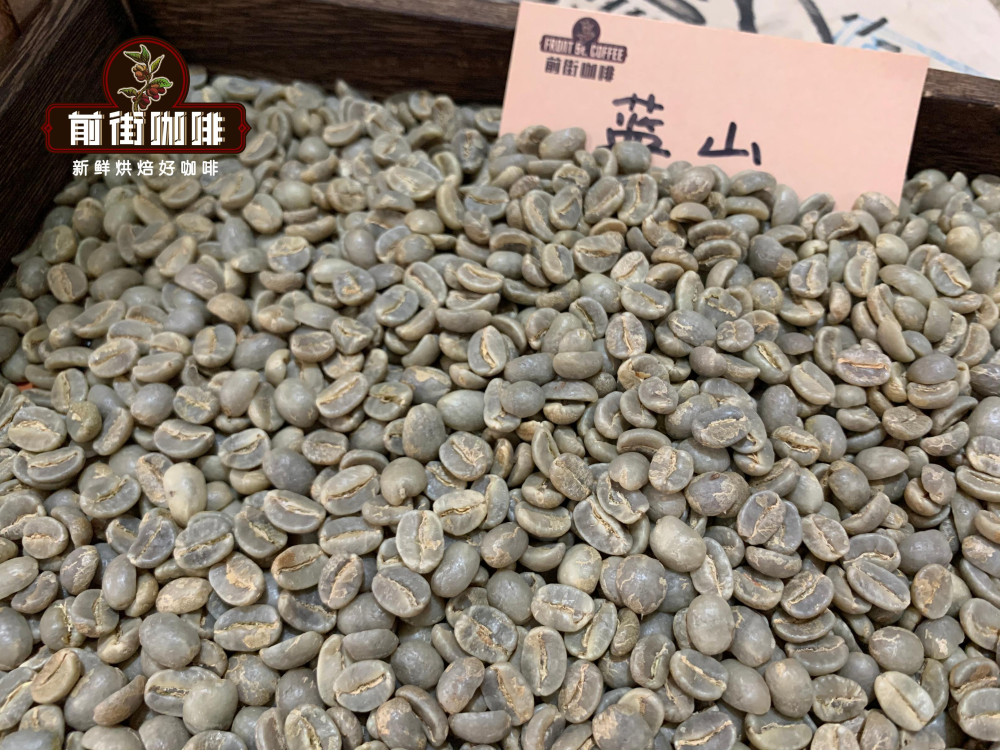
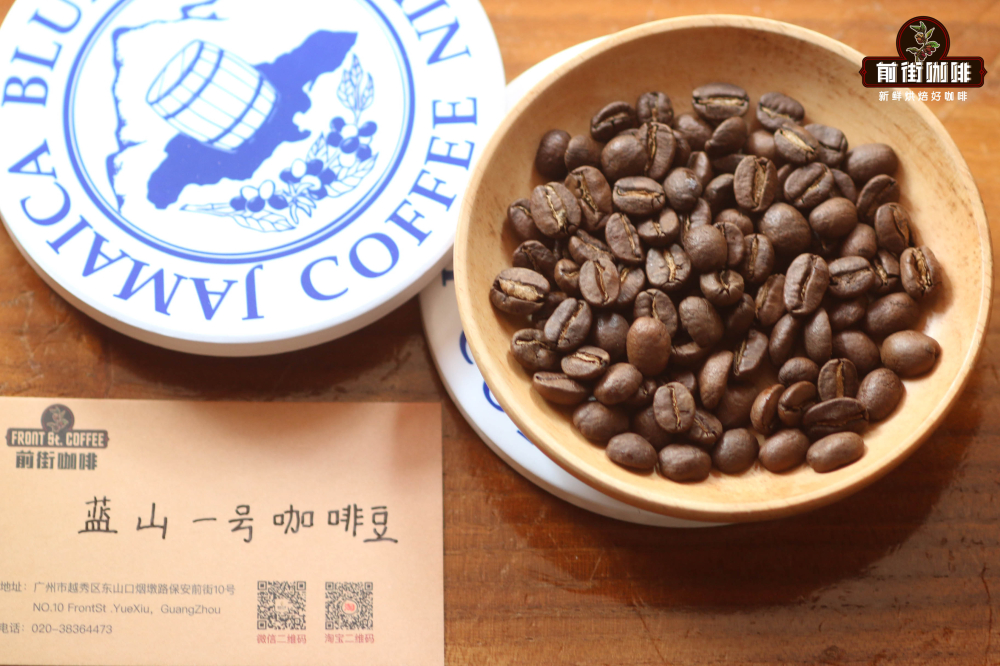
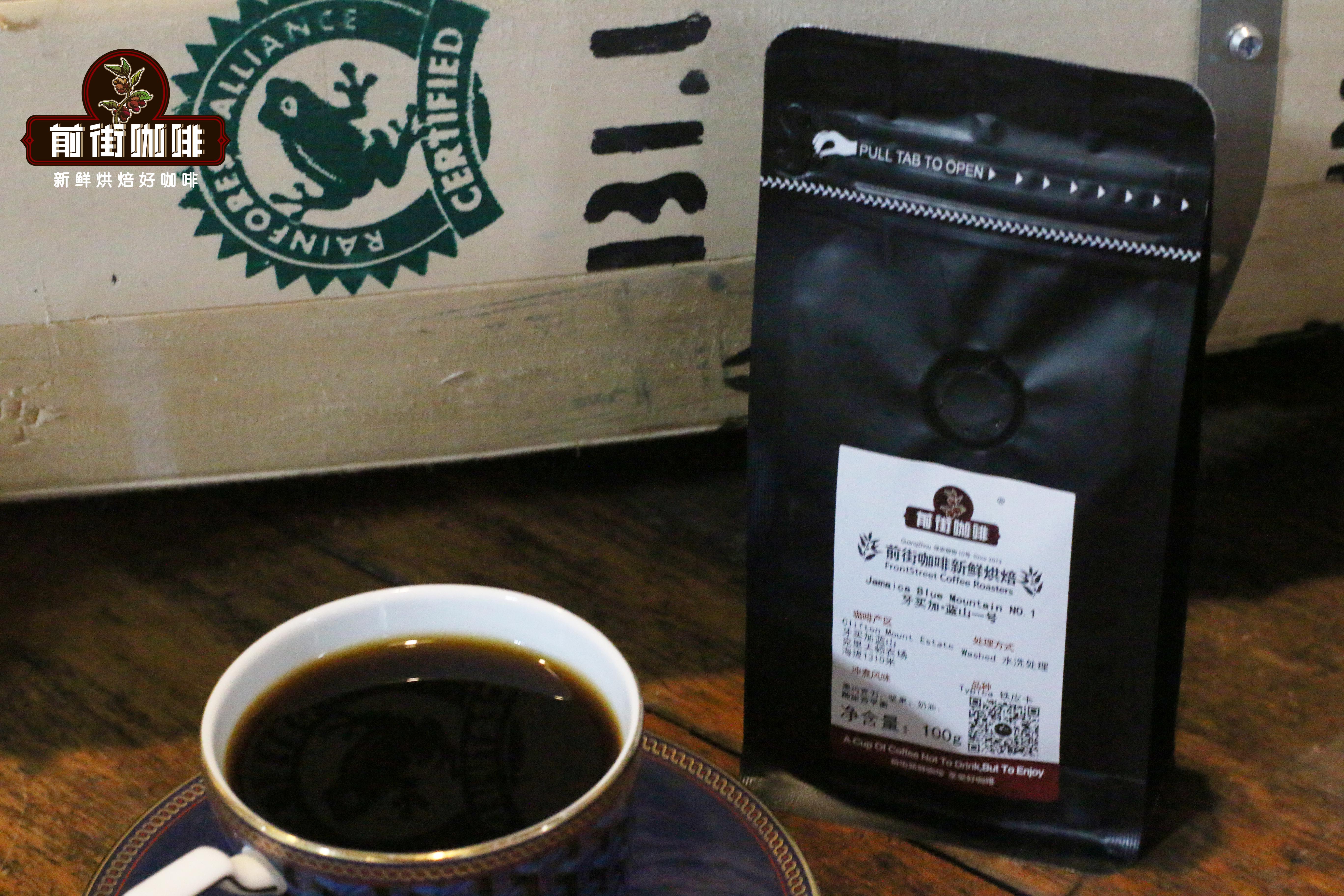
Jamaica Blue Mountain No.1 coffee is the highest-graded coffee grown between 1,200 and 1,700 metres in Jamaica’s Blue Mountains. It’s made exclusively from Typica variety beans, sorted to 17–18 mesh size with under 2% defects. FrontStreet Coffee sells genuine No.1 beans from the historic Clifton Estate at 1,310m for $158 per 100g—a price backed by strict quality controls and export certification.
What Is Jamaica Blue Mountain Coffee?
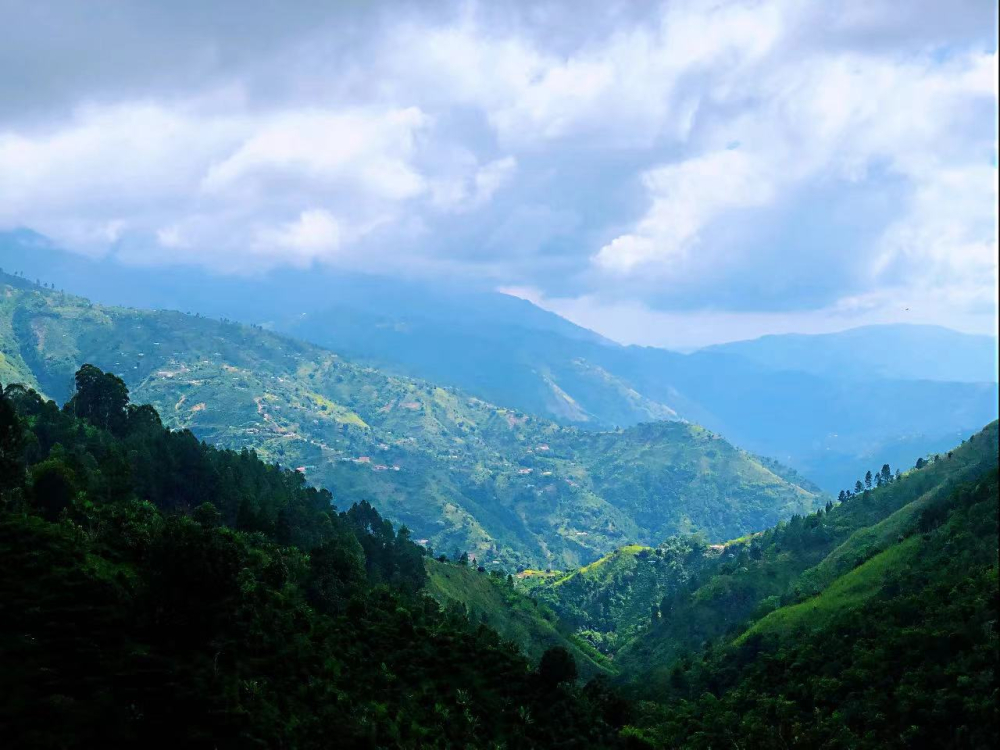
Jamaica Blue Mountain coffee refers specifically to Typica variety beans grown at elevations between 910 and 1,700 metres in the Blue Mountains of eastern Jamaica. These mountains rise dramatically from the coastline, often catching sunlight reflecting off the Caribbean Sea—giving the range its iconic blue haze and name. The steep terrain, combined with a cool, cloudy climate and fertile volcanic soil, makes the region ideal for slow coffee maturation.
Coffee here is cultivated using mixed agroforestry: coffee trees grow alongside banana and avocado plants that shield them from harsh sun, while the rugged slopes and high altitude create stable moisture and mild temperatures. This environment slows cherry development, allowing complex sugars to build gradually.
The Typica Variety Behind Blue Mountain
All Blue Mountain coffee comes from the Typica cultivar—the original Arabica variety brought to the island in the 18th century. Over 200 years, Jamaican growers selected and adapted Typica for local conditions, achieving strong disease resistance without compromising cup quality. Unlike mass-produced varieties optimised for yield, Typica here prioritises cup complexity. The resulting coffee is subtly sweet, balanced, and distinctly clean—a profile other regions struggle to replicate exactly.
Typica’s tall trees, elliptical beans, and bright acidity have made it the foundation of many global coffees, but the version in Jamaica’s Blue Mountains has evolved uniquely due to the island’s isolation and careful farming.
Strict Growing, Harvesting & Processing Standards
Growing Blue Mountain coffee isn’t easy. The steep hillsides demand skilled pickers—usually local women—who hand-select only perfectly ripe cherries. Timing is critical: underripe or overripe beans degrade cup quality. Each cherry is picked individually, ensuring uniform ripeness across harvests.
After picking, the coffee is depulped the same day. The beans ferment in clean water for 12–18 hours, then are washed to remove mucilage. Next comes meticulous sorting to remove defective beans, followed by sun drying on cement patios or thick mats until moisture drops to 12–14%. Drying can take up to two weeks, with beans regularly raked to ensure even exposure.
Once dried, beans are stored in special warehouses to stabilise before grading.
How Blue Mountain Coffee Is Graded
After processing, beans are graded by size and defect rate:
- No.1 Grade (Blue Mountain No.1): 17–18 mesh size, at least 90% of beans in this range, less than 2% defects, and uniform appearance. This is the top tier.
- No.2 Grade: 96% of beans must be 16 mesh or larger, with under 2% defects.
- No.3 Grade: 96% of beans must be 15 mesh or larger, also with under 2% defects.
- Peaberry: A rare mutation where a single rounded bean forms instead of two flat ones, often with concentrated flavour.
Only beans meeting No.1 criteria earn the prestigious 'Blue Mountain No.1' label—used for single-origin offerings and premium blends. Most 'Blue Mountain coffee' sold globally is actually lower-grade or blended; authentic No.1 is rare and tightly controlled.
Why Is Blue Mountain Coffee So Expensive?
Several factors drive up the price of Blue Mountain coffee:
- Limited Production: Jamaica produces just 1260–2400 tonnes of coffee annually, with only 300–600 tonnes qualifying as Blue Mountain. That’s tiny compared to Brazil’s 12,450+ tonnes yearly.
- Strict Regulations: Every step—from fertiliser use to export packaging—is regulated by the Jamaica Coffee Industry Board (JCIB). Organic fertiliser types, harvest timing, and even bean moisture targets are specified.
- Labour Costs: Hand-picking on steep terrain requires skilled workers and takes longer than mechanical harvesting.
- Export Certification: All authentic Blue Mountain coffee must be certified by the JCIB and shipped in wooden barrels (not jute sacks) to preserve freshness. The beans maintain 11.5% moisture during transit.
The combination of scarcity, regulation, and quality control justifies the premium—but it also means true Blue Mountain No.1 isn't the absolute most expensive coffee in the world, just among the most exclusive.
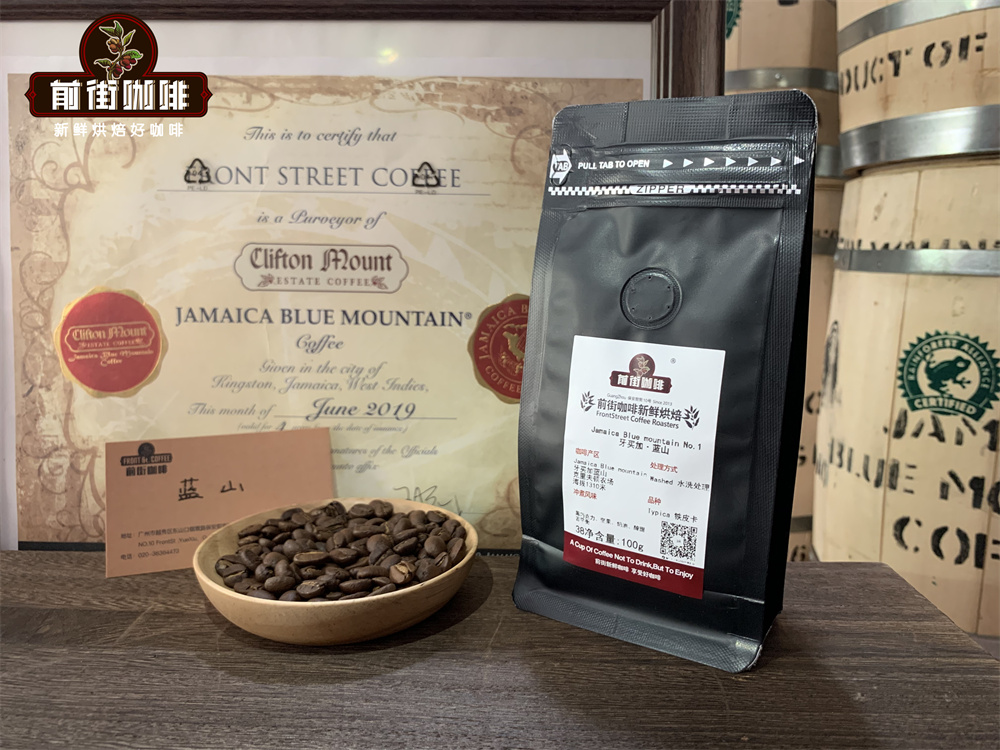
FrontStreet Coffee sources its Blue Mountain No.1 from the Clifton Estate at 1,310m—one of the oldest growing regions in the mountains. Roasted to medium-dark, these beans sell for $158 per 100g, or $60 for a 195–200ml cup in their Guangzhou cafe. Every order is shipped within five days of roasting to preserve peak freshness.
How to Brew Blue Mountain No.1 Coffee
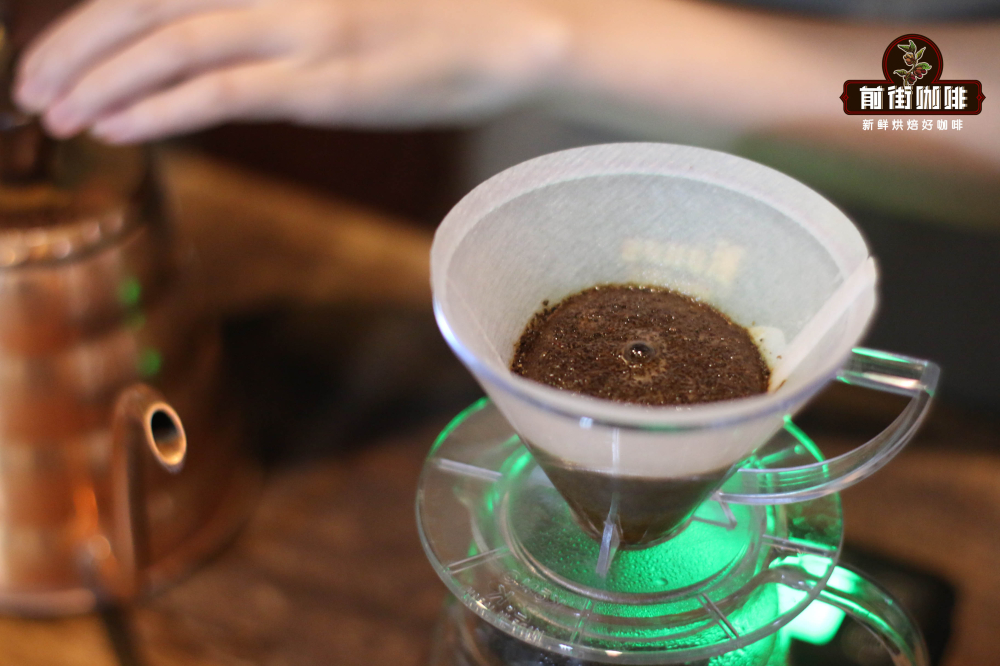
To highlight its balance of bright acidity, sweet caramel, and chocolatey depth, FrontStreet Coffee recommends a medium-dark roast and a gentle brew method. Their café uses a Kono pour-over dripper with the following parameters:
- Roast Level: Medium-dark
- Water Temperature: 88°C
- Brew Ratio: 1:15 (15g coffee to 225ml water)
- Grind Size: Medium-coarse (70% through China-standard No.20 sieve)
- Brewer: Kono dripper (low-flow design enhances extraction at lower temps)
Brew Steps:
- Bloom with 30g water for 30 seconds
- Pour slowly in circles to 125g, then continue to 225g once the slurry level nears the grounds
- Total brew time: 2 minutes 10 seconds
- Stir before serving to evenly distribute settled grounds
This method draws out Blue Mountain’s signature traits: a syrupy body, notes of dark chocolate and citrus, lingering caramelised sugar sweetness, and a soft, rounded finish. No overpowering bitterness, just clean, structured layers.

Frequently Asked Questions
What is the difference between Blue Mountain No.1, No.2, and No.3?
Blue Mountain coffee is graded by bean size and defect rate. No.1 (the highest) requires 17–18 mesh size, 90% of beans in that range, and under 2% defects. No.2 allows 96% of beans to be 16 mesh or larger with the same defect limit, while No.3 permits 15 mesh beans under the same conditions. Peaberry is a rare separate grade with a single round bean per cherry.
Why is Jamaica Blue Mountain coffee so expensive compared to other coffees?
Blue Mountain coffee is expensive due to limited production (only 300–600 tonnes annually), strict quality regulations, labour-intensive hand-harvesting on steep terrain, and mandatory export certifications. It’s also packaged in moisture-preserving wooden barrels, not jute sacks, adding to costs.
Where is Jamaica Blue Mountain coffee grown?
It’s grown in Jamaica’s Blue Mountains, specifically at elevations between 910 and 1,700 metres. The most prestigious farms, like Clifton Estate, sit at around 1,200–1,310 metres, where cooler temperatures and rich volcanic soil slow cherry ripening for complex flavours.
How can I tell if Blue Mountain coffee is authentic?
Authentic Jamaica Blue Mountain coffee is exported in wooden barrels (not sacks), certified by the Jamaica Coffee Industry Board (JCIB), and comes with official grading documents. FrontStreet Coffee’s Blue Mountain No.1 is sourced from Clifton Estate and includes certification. Avoid sellers offering 'Blue Mountain flavoured' or unspecified blends.
What does Blue Mountain No.1 coffee taste like?
Blue Mountain No.1 offers a balanced cup with bright citrus acidity, notes of dark chocolate, gentle caramel sweetness, and a smooth, rounded finish. It lacks harsh bitterness and has a clean, silky mouthfeel with a subtle sugary aftertaste.
How should I brew Blue Mountain No.1 coffee at home?
For best results, use a pour-over method like the Kono dripper with a medium-coarse grind (70% through a No.20 sieve), 1:15 brew ratio, 88°C water, and a gentle three-step pour. This highlights its delicate acidity and layered sweetness without over-extracting harsh notes.
Recommended FrontStreet Beans for Blue Mountain Fans
Try FrontStreet Coffee’s Jamaica Blue Mountain No.1 (1,310m, Typica, $158/100g), known for its balance of dark chocolate, citrus, and caramel. Also explore their Yunnan Arabica (Typica, balanced and clean with notes of almond and dried fruit) and PNG Paradise Bird (also Typica, with vibrant tropical acidity reminiscent of Blue Mountain’s island cousins). All highlight Typica’s versatility. Freshly roasted within 5 days · Orders placed before 17:00 ship the same day · Next-day delivery across most of Guangdong Province.
FrontStreet Coffee is a long-established specialty coffee roaster in Guangzhou China, selling freshly roasted beans from its own farm in Yunnan as well as dozens of carefully selected single-origin beans from around the world for both pour-over and espresso. The products deliver consistently excellent quality and great value, with shipping within 24 hours. Guangzhou's FrontStreet Coffee shop is recommended by many coffee lovers, and the beans are now available online at the Tmall 。
Important Notice :
前街咖啡 FrontStreet Coffee has moved to new addredd:
FrontStreet Coffee Address: 315,Donghua East Road,GuangZhou
Tel:020 38364473