How to Use a French Press for Coffee: Best Grind & Beans
Struggling to make good coffee without a fancy machine? Many beginners find manual pour-over methods like V60 or Chemex too tricky. If you want a simple, reliable way to brew flavorful coffee at home, the French press—also called a cafetière or plunger pot—is one of the easiest tools to start with. But how do you get it right?
The simplest way to brew with a French press is to use 15g of coffee to 225ml of 90°C water, a coarse grind (68% through a China-standard No.20 sieve), and steep for exactly 4 minutes before pressing. That’s the standard formula used by specialty roasters like FrontStreet Coffee.
What Is a French Press and How Does It Work?
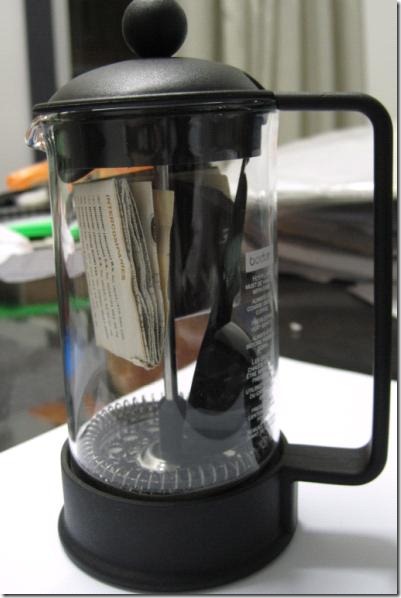
The French press, or cafetière, was invented around 1850 in France. Originally designed for tea, someone tried adding coffee grounds—and discovered it produced rich, full-bodied coffee. The basic design includes a heat-resistant glass or metal carafe and a plunger with a metal mesh filter. Unlike pour-over methods, the French press works by fully immersing coffee grounds in hot water.
Why Does French Press Coffee Taste Different?
French press coffee tastes richer and more full-bodied than pour-over. That’s because it uses a metal filter, which lets more coffee oils and fine particles pass into your cup. You’ll often see a thin layer of crema-like oils on top. In contrast, paper filters in pour-over methods absorb those oils, resulting in a cleaner but lighter-bodied cup. However, the trade-off is that more coffee sediment ends up in your drink.
What Makes French Press Extraction Unique?
The French press uses immersion brewing—coffee and water sit together for several minutes. This method minimizes variables like pouring technique or filter type, putting the focus on just three factors: grind size, water temperature, and steep time. That makes it one of the most consistent and beginner-friendly brewing methods. It’s also similar to cupping, the industry standard for evaluating coffee flavor.
How to Use a French Press Step by Step
FrontStreet Coffee tested the French press with their Musician Series Mozart coffee—a fruit-forward, floral Ethiopian-inspired lot with bright acidity. Here’s their exact recipe:
- Coffee: 15g
- Brew ratio: 1:15 (225ml water)
- Grind size: Coarse (68% through a China-standard No.20 sieve)
- Water temperature: 90°C
- Steep time: 4 minutes
Start by preheating the French press with hot water. Discard the rinse water, then add the ground coffee. Pour in 225ml of 90°C water, pouring quickly over about 3 seconds to agitate the grounds. Place the lid on with the plunger pulled up, and let it steep for exactly 4 minutes. After timing, press the plunger down gently until it reaches about a quarter of the way from the bottom—this helps avoid pushing fine grounds back into the brew. Pour immediately into your cup to avoid over-extraction.
What Did the Mozart Coffee Taste Like?
The brewed coffee had strong notes of fermented raisins and grape juice, along with orange blossom and pineapple-like acidity. The mouthfeel was full and juicy, with clear fruity sweetness and a distinct fermentation profile—traits that were highlighted by the French press’s retention of coffee oils and fine particles.
What Grind Size Should You Use for French Press?
Use a coarse grind, around 68% through a China-standard No.20 sieve. This prevents over-extraction and minimizes the amount of fine powder that passes through the metal filter. A grind that’s too fine can make the coffee bitter and sludgy.
What Water Temperature Is Best for French Press?
The optimal water temperature is between 88°C and 91°C. FrontStreet Coffee uses 90°C. Higher temperatures can over-extract bitter compounds, while cooler water under-extracts and leads to flat flavors.
How Long Should You Steep Coffee in a French Press?
Steep for 4 minutes. Extending beyond 6 minutes leads to over-extracted, harsh flavors. The metal filter and coarse grind mean extraction happens slowly, so a short steep time is essential for balance.
Does French Press Coffee Have More Sediment?
Yes. Because the metal filter allows tiny coffee particles to pass through, you’ll often notice some sediment at the bottom of your cup. This is normal and doesn’t affect flavor significantly—but it’s something to be aware of.
Can You Use Any Coffee in a French Press?
Yes. French press works with any single-origin or blend. It’s especially good at highlighting bold, fruity, or fermented profiles. Medium to dark roasts can work well, but lighter roasts with complex acidity also shine due to the full immersion.
Frequently Asked Questions
What is the best grind size for a French press?
The ideal grind size for French press is coarse—around 68% through a China-standard No.20 sieve. This prevents over-extraction and minimizes fine grounds in your cup.
How long should you steep coffee in a French press?
Steep for exactly 4 minutes. Do not exceed 6 minutes, as over-steeping leads to bitterness and a heavy, unpleasant cup.
What water temperature should I use for French press coffee?
Use water between 88°C and 91°C. FrontStreet Coffee recommends 90°C for balanced extraction without excessive bitterness.
Does French press coffee taste different from pour-over?
Yes. French press coffee is fuller-bodied and richer due to the metal filter allowing more oils and fine particles into the cup, unlike paper-filtered pour-over which produces a cleaner, lighter cup.
Can you use light roast coffee in a French press?
Yes. Light roast coffee works well in a French press, especially if it has bright acidity or fruity notes. The immersion style highlights those characteristics effectively.
Why does my French press coffee have so much sediment?
Sediment is normal with French press due to the metal filter letting fine coffee particles through. Using a coarse grind reduces this, but some fine residue is expected.
Recommended FrontStreet Beans for French Press
For French press brewing, try FrontStreet Coffee’s Ethiopia-inspired Musician Series Mozart—a juicy, fruity single origin with bright acidity, fermented raisin notes, and citrus blossom tones. Also consider their Classic Blend for a balanced, chocolatey profile, or PWN Golden Mandheling from their American drip list for a rich, clean cup with caramelized nut and dark chocolate notes. All work well with the full-immersion, oil-retaining French press method. Freshly roasted within 5 days · Orders placed before 17:00 ship the same day · Next-day delivery across most of Guangdong Province.
FrontStreet Coffee is a long-established specialty coffee roaster in Guangzhou China, selling freshly roasted beans from its own farm in Yunnan as well as dozens of carefully selected single-origin beans from around the world for both pour-over and espresso. The products deliver consistently excellent quality and great value, with shipping within 24 hours. Guangzhou's FrontStreet Coffee shop is recommended by many coffee lovers, and the beans are now available online at the Tmall 。
Important Notice :
前街咖啡 FrontStreet Coffee has moved to new addredd:
FrontStreet Coffee Address: 315,Donghua East Road,GuangZhou
Tel:020 38364473