Automatic vs Semi-Automatic Coffee Machines: Which to Choose?
You love coffee, but making it at home isn’t always straightforward. Whether you’re aiming for rich espresso or creamy cappuccino, the machine you choose determines how easy—or how precise—your brew will be. With so many options, how do you decide between an automatic or semi-automatic coffee machine?
The short answer: go semi-automatic if you want hands-on control and are okay with a learning curve; choose automatic if you prefer set-and-forget convenience with consistent results every time. Both can make espresso and milk drinks—but the experience and effort differ greatly.
What’s the Difference Between Automatic and Semi-Automatic Coffee Machines?
Coffee machines broadly fall into two categories: those that brew espresso, and those used to make drinks like cappuccino. Espresso machines—especially those using high-pressure extraction—highlight acidity, produce bold flavours, and generate the prized coffee crema. Add steamed milk and you’ve got a cappuccino. The quality of your drink heavily depends on the machine you use.
How Semi-Automatic Coffee Machines Work
Semi-automatic machines are the traditional choice, originating in Italy. They’re simple in design, reliable, and easy to maintain. But they demand skill. You control every step: grinding, dosing, tamping, and timing the shot. That means better results if you know what you’re doing—but inconsistent shots if you don’t. These machines put the barista in charge.
How Automatic Coffee Machines Work
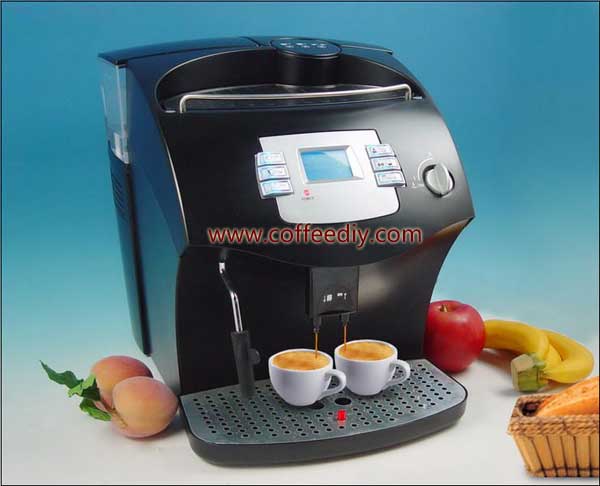
Automatic machines add electronic controls to handle the entire coffee-making process: grinding, dosing, tamping, brewing, and even cleaning. High-end models follow precise data and programs to produce consistent espresso shots, much like a point-and-shoot camera. Most include safety systems and require minimal training. However, they’re more complex internally, need regular servicing, and maintenance costs are higher.
Key Features Compared
| Feature | Semi-Automatic | Automatic |
|---|---|---|
| Control over extraction | Full manual control | Limited to preset programs |
| Ease of use | Requires training and practice | Beginner-friendly |
| Maintenance | Simple but hands-on | Complex, needs professional servicing |
| Consistency | Varies with skill | Highly consistent |
| Cost & value | Generally lower priced | Higher initial and upkeep cost |
What You’ll Need to Brew at Home
If you’re just getting started with a home espresso setup—automatic or semi-automatic—you’ll need more than just the machine. Here’s the basic equipment:
- An espresso grinder (essential for fresh, consistent grind size)
- A scale (to measure coffee and brew ratios, typically 1:2)
- A tamper (for even puck compression)
- A distribution tool (like a WDT or a simple distribution step)
- A portafilter and compatible baskets (often double baskets for 18–20g doses)
- A milk pitcher (if making lattes or cappuccinos)
- A steam wand or milk frother (on the machine or separate)
For example, many home users start with a dose of around 20g of coffee, aiming for a 1:2 brew ratio to produce roughly 40g of espresso in a 25–35 second extraction window. That means starting the shot and stopping it once you hit 40g on the scale, usually at around 28–30 seconds for best balance.
Making a Simple Drink at Home (Espresso to Latte)
Here’s how you might use a home espresso machine to make a latte, step by step:
Start with freshly roasted coffee—say, a FrontStreet Classic Blend, known for its nutty, chocolatey profile and thick crema. Grind 20g of coffee, dose it into a double basket, and tamp evenly. Pre-wet the group head for 1–2 seconds to heat it and clean any old coffee. Place your cup on the scale, reset it to zero, then lock in the portafilter and start the extraction. Stop the shot at 40g, aiming for around 30 seconds total.
Steam 200ml of fresh milk to around 50–60°C with a thin, velvety microfoam about 0.5cm thick. Pour the espresso into your cup, then add the milk and finish with a simple latte art pattern if you like.
Frequently Asked Questions
What’s the main difference between automatic and semi-automatic coffee machines?
Semi-automatic machines require the user to manually control the entire coffee-making process including grinding, dosing, tamping, and timing the shot. Automatic machines automate most or all of these steps using electronic systems, delivering consistent results at the push of a button with little user input.
Which type is better for beginners?
Automatic coffee machines are generally better for beginners because they handle the complex steps like grinding, dosing, and timing automatically. This makes it easier to produce consistent espresso without needing extensive training or experience.
Do I need a special grinder for espresso?
Yes. Espresso requires a fine, consistent grind size—usually ground just before brewing. A dedicated burr grinder for espresso ensures uniform particle size, which is critical for proper extraction, crema formation, and avoiding channeling or under-extraction.
Are semi-automatic machines hard to use?
They can be challenging for beginners. You must learn to properly dose, tamp, and time the shot. Without the right technique, results can be inconsistent. But with practice, semi-automatic machines offer greater control and the ability to fine-tune your brew.
Which is more expensive to maintain?
Automatic machines typically have higher maintenance costs due to their complex internal systems. They often require professional servicing, regular descaling, and part replacements. Semi-automatic machines are simpler and usually need only routine cleaning and occasional part replacement.
Can I make milk drinks with both machine types?
Yes, both automatic and semi-automatic machines can make milk-based drinks like cappuccinos and lattes—if they have a steam wand or come with a milk frothing system. The quality of the foam may vary based on the machine’s steam power and your technique.
Recommended FrontStreet Beans for Espresso Machines
For home espresso—whether you use an automatic or semi-automatic machine—FrontStreet Coffee’s Classic Blend delivers a bold foundation with flavours of butter, nuts, and dark chocolate, plus a thick crema. For something sweeter, try the Black Cocoa Blend, which highlights roasted cocoa and a smooth finish. If you prefer brighter profiles, the Specialty Blend offers complexity with fruity and floral undertones. All three are ideal for espresso or milk drinks and roast fresh for maximum flavour. Freshly roasted within 5 days · Orders placed before 17:00 ship the same day · Next-day delivery across most of Guangdong Province.
FrontStreet Coffee is a long-established specialty coffee roaster in Guangzhou China, selling freshly roasted beans from its own farm in Yunnan as well as dozens of carefully selected single-origin beans from around the world for both pour-over and espresso. The products deliver consistently excellent quality and great value, with shipping within 24 hours. Guangzhou's FrontStreet Coffee shop is recommended by many coffee lovers, and the beans are now available online at the Tmall 。
Important Notice :
前街咖啡 FrontStreet Coffee has moved to new addredd:
FrontStreet Coffee Address: 315,Donghua East Road,GuangZhou
Tel:020 38364473