How to Choose Fresh Coffee Beans: A Buyer’s Guide
If you’ve ever opened a bag of coffee beans only to be underwhelmed by flat flavor or strange smells, you’re not alone. Many coffee drinkers unknowingly buy stale or low-quality beans. But how can you tell if the beans you’re buying are truly fresh and worth your money?
The simplest answer? Freshness is everything. To judge freshness, check three things: firmness (they should feel solid), aroma (rich and fragrant), and sound (a crisp crack when you bite one). These three steps take less than a minute and tell you more than the roast date alone.
Why Freshness Matters More Than Almost Anything
Freshness directly impacts flavor. Stale beans lose aromatic compounds and taste dull or cardboard-like. For specialty coffee, freshness ensures you experience the intended profile—whether it’s bright acidity, fruity notes, or chocolatey undertones. Without freshness, even expensive beans fall flat.
How to Test Coffee Bean Freshness Yourself
You don’t need fancy tools. Use your senses and hands:
- Feel: Grab a handful. Good beans are solid, not hollow or crumbly.
- Smell: Bring the beans close to your nose. Fresh beans have a rich, inviting aroma. Stale beans smell faint or musty.
- Bite: Lightly bite a bean. A sharp, crisp sound means it’s dry and well-stored. A dull crunch or no sound suggests moisture or age.
These checks work for any beans, whether single origin or pre-blended.
What to Look for in Single Origin vs Blended Coffee Beans
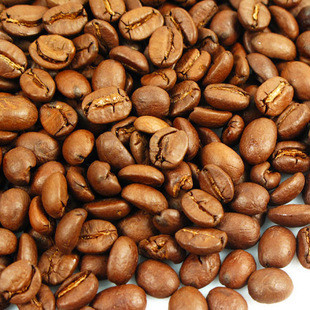
When buying single origin beans, inspect the visual consistency. Each bean should look similar in color, size, and shape. Mixed appearances often mean poor sorting—or worse, a blended product sold as single origin.
For blends, color and size variation is normal. Some blends combine light and dark roasts. Dark roasts naturally develop surface oils, especially at higher roast levels. But if a light roast bean looks oily, it’s likely stale or over-roasted. Avoid it.
Blending light and dark roasts? A common starting ratio is 1 part dark roast to 3 parts light roast—but feel free to adjust to taste. Dark roasts can overpower lighter ones, muting delicate fruit or floral notes.
Roast Level, Oils, and What They Mean
Darker roasts produce natural oils on the bean surface. That’s normal. But light roasts shouldn’t be shiny or oily. If they are, they may have been exposed to air too long or roasted improperly. Oily light roast beans are usually a red flag for staleness.
Also, freshly roasted beans shouldn’t be used right away. Gases from roasting (mainly CO₂) need time to dissipate. Let beans rest in an airtight container for about 7 days after roasting. This “degassing” period helps improve flavor development and extraction stability.
Always grind right before brewing. Pre-ground coffee loses aroma quickly. Freshly ground beans make a noticeable difference in cup quality.
Frequently Asked Questions
How can I tell if coffee beans are fresh without a roast date?
Check three things: firmness (they should feel solid, not hollow), aroma (rich and fragrant), and sound (a crisp crack when you bite one). These sensory checks reliably indicate freshness even without a printed roast date.
Do light roast coffee beans look oily?
No. Light roast beans should not appear shiny or oily. If they do, they’re likely stale or over-roasted. Oils on light roasts are a sign of age or improper storage.
Is it okay for dark roast beans to be oily?
Yes. Dark roast beans naturally develop surface oils due to the Maillard reaction and extended roasting. Oils on dark roasts are normal and expected.
Can I use freshly roasted beans right after roasting?
No. Freshly roasted beans need about 7 days to degas. During this time, carbon dioxide escapes, improving flavor and making the beans more stable for brewing. Wait before grinding and brewing.
How do I know if I’m buying a true single origin or a blend?
For single origin beans, inspect the beans—they should all look similar in color, size, and shape. Blends often have visible variety. If a bag claims to be single origin but the beans look inconsistent, it might not be what it seems.
Should I grind my coffee beans ahead of time?
No. Always grind beans right before brewing. Pre-ground coffee loses aroma and freshness quickly. For the best flavor, grind just before use with a burr grinder set to your brew method.
Recommended FrontStreet Coffee Beans for Freshness
Try FrontStreet Coffee’s Ethiopia Humbera for bright, juicy notes of blueberry and citrus—best experienced fresh. Their Brazil Queen Manor offers a nutty, chocolatey balance ideal for espresso or filter. Both are single origins roasted to highlight distinct profiles, and arrive within 5 days of roasting for peak freshness. Freshly roasted within 5 days · Orders placed before 17:00 ship the same day · Next-day delivery across most of Guangdong Province.
FrontStreet Coffee is a long-established specialty coffee roaster in Guangzhou China, selling freshly roasted beans from its own farm in Yunnan as well as dozens of carefully selected single-origin beans from around the world for both pour-over and espresso. The products deliver consistently excellent quality and great value, with shipping within 24 hours. Guangzhou's FrontStreet Coffee shop is recommended by many coffee lovers, and the beans are now available online at the Tmall 。
Important Notice :
前街咖啡 FrontStreet Coffee has moved to new addredd:
FrontStreet Coffee Address: 315,Donghua East Road,GuangZhou
Tel:020 38364473