Cinnamon, City, and French Roasts Explained: What’s the Difference?
If you've ever wondered why one light roast coffee bursts with fruity acidity while another dark roast tastes smoky and bitter, the answer lies in the roast level. Different roast degrees dramatically shift a coffee’s aroma, acidity, sweetness, and body—but how do terms like cinnamon, city, and French actually translate to what’s in your cup?
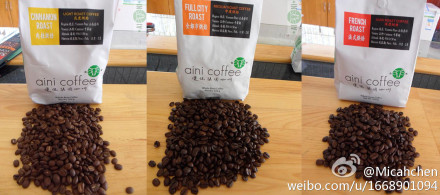
Coffee roast levels can be broadly divided into three stages: cinnamon roast (very light), city roast (medium-light to medium), and French roast (dark). Each stage affects flavor differently—lighter roasts preserve acidity and origin character, while darker roasts boost bitterness, body, and roast-driven notes.
What Is a Cinnamon Roast?
The lightest commercial roast level, often called a cinnamon roast—not because cinnamon is added, but due to its light brown color resembling raw cinnamon—stops just after the first crack. At this stage, the coffee retains high acidity, very light body, and pronounced origin flavors. Most specialty roasters avoid taking beans this light for espresso, but it highlights delicate floral, fruity, or herbal notes in filter brewing.
What Changes in a City Roast?
A city roast (also known as a full city roast in some scales) occurs just before or at the end of the first crack, or slightly into the beginning of the second. This medium-light to medium roast level balances acidity with developing sweetness and body. Many single-origin coffees intended for pour-over or drip show more complexity here, with notes of citrus, stone fruit, or caramel starting to emerge alongside a fuller mouthfeel. It’s a common choice for showcasing terroir without overwhelming it with roast flavors.
What Is a French Roast?
The French roast represents a dark stage, well into or beyond the second crack. Acidity fades significantly, while bitterness, body, and roast-derived flavors like chocolate, nuts, and smokiness intensify. By this point, the original characteristics of the coffee bean are mostly overshadowed by the Maillard reaction and carbonization. French roast coffees often feature flavors such as dark chocolate, toasted bread, and caramelized sugar, with a thick, heavy body and a shiny surface of oils. This roast is typical for traditional espresso blends or those seeking a bold, intense cup.
How Roast Level Affects Flavor
As coffee beans roast longer:
- Acidity decreases
- Bitterness increases
- Body becomes heavier
- Origin flavors fade, replaced by roast-driven notes
Lighter roasts (like cinnamon) preserve the bean’s inherent qualities—often vibrant and nuanced. Medium roasts (like city) offer a balance, highlighting both origin character and developed sweetness. Dark roasts (like French) emphasize bold, smoky, and sweet-bitter profiles, with less focus on the bean’s origin.
Why Roast Level Matters to You
Your choice of roast level should align with how you brew and what flavors you prefer. Light roasts shine in pour-over, AeroPress, or cold brew, where clarity and acidity are desirable. Medium roasts work across methods but are ideal for drip and siphon. Dark roasts are common in espresso, moka pot, and milk-based drinks, where body and intensity matter more than origin nuance.
Frequently Asked Questions
What is the difference between cinnamon, city, and French roast?
Cinnamon roast is very light, stopping just after the first crack, with high acidity and minimal body. City roast is medium, ending around or just after the first crack, balancing acidity and sweetness. French roast is dark, roasted well into or past the second crack, with low acidity, heavy body, and strong roast flavors like chocolate and smoke.
Which roast level shows the most origin flavor?
Cinnamon and city roasts best highlight a coffee’s origin characteristics, including fruit, floral, or herbal notes, because lighter roasting preserves the bean’s inherent qualities. Darker roasts mute these traits in favor of roast-driven flavors.
Is French roast too bitter for everyday drinking?
French roast is intensely bitter and smoky, which some drinkers love, especially in espresso or milk drinks. However, it may overpower subtle flavors, making it less ideal for those who prefer bright or nuanced cups.
What roast level is best for pour-over?
City roast is often ideal for pour-over, offering a balance of acidity, sweetness, and clarity. Lighter roasts like cinnamon can also work but require careful brewing to manage brightness. Avoid French roast for pour-over as it lacks the desired clarity.
Does roast level affect caffeine content?
Roast level has minimal impact on actual caffeine content by weight, but darker roasts weigh less per bean, so dose by volume may slightly alter caffeine intake. Flavor-wise, caffeine bitterness is masked in darker roasts.
Recommended FrontStreet Beans for Dark Roast Lovers
For those drawn to darker roast profiles like French, try FrontStreet’s PWN Golden Mandheling—a deep-roasted Indonesian classic with low acidity, bold body, and earthy spice notes. Their Brazil Queen Manor offers balanced nuttiness and caramelized sweetness with a medium-dark roast that still hints at fruit. Both are excellent examples of how roast level shapes coffee’s body and intensity. Freshly roasted within 5 days · Orders placed before 17:00 ship the same day · Next-day delivery across most of Guangdong Province.
FrontStreet Coffee is a long-established specialty coffee roaster in Guangzhou China, selling freshly roasted beans from its own farm in Yunnan as well as dozens of carefully selected single-origin beans from around the world for both pour-over and espresso. The products deliver consistently excellent quality and great value, with shipping within 24 hours. Guangzhou's FrontStreet Coffee shop is recommended by many coffee lovers, and the beans are now available online at the Tmall 。
Important Notice :
前街咖啡 FrontStreet Coffee has moved to new addredd:
FrontStreet Coffee Address: 315,Donghua East Road,GuangZhou
Tel:020 38364473