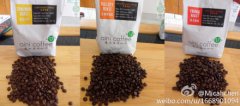
How We Roasted Colombia's Premium Emerald Coffee Beans
Roasters often face unexpected hurdles even with high-grade green coffee. In this case, a premium Colombian lot labeled above SUPREMO posed a technical challenge—not because of processing flaws or origin issues, but due to inconsistent bean size, which complicated heat application and development during roasting.
To get the best out of these greens, the roast was stopped right at the start of the second crack on September 6, 2011. That choice directly shaped the balance between brightness and body in the cup.
What Makes This Colombian Green Unique?
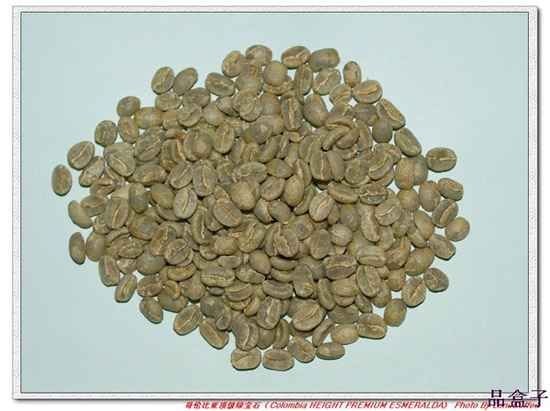
This lot, Colombia HEIGHT PREMIUM ESMERALDA, was considered above the standard SUPREMO grade. Yet despite its premium classification, the beans varied significantly in size—an issue that doesn’t affect cup quality directly but creates uneven heat absorption during roasting. Such inconsistency makes it harder to develop a uniform roast profile, especially when aiming for a specific flavor balance between acidity and sweetness.
Why Roast Stopped at First Crack’s End
The roaster chose to halt the roast at the beginning of the second crack. That’s a critical decision point: first crack signals the start of significant moisture loss and structural change, while second crack indicates the onset of oil migration and deeper roast development. By stopping just as second crack begins, the roaster aimed to preserve more origin character—particularly the bright acidity and delicate fruit notes—without pushing into the heavier, roast-dominated spectrum. This approach is typical for single origins intended for filter methods, not espresso.
How Brewing Revealed the Roast Results
Brewed the next day using an 80°C water temperature and a flannel (cloth) dripper, the coffee initially presented overwhelming charred bitterness due to overly high water heat. But by the following day, the cup opened up. The dry and wet aromas were subdued, not particularly vibrant. Initial sips carried a clear bitterness, which gave way to acidity, then gradually faded into a cup defined by notable fruit acidity and a hint of sweetness. Expectations were that further rest would continue to improve balance. However, based on the roaster’s impression, this particular Colombian lot didn’t respond well to darker roasts.
Image Placeholders
Frequently Asked Questions
Why was the roast stopped at the beginning of the second crack?
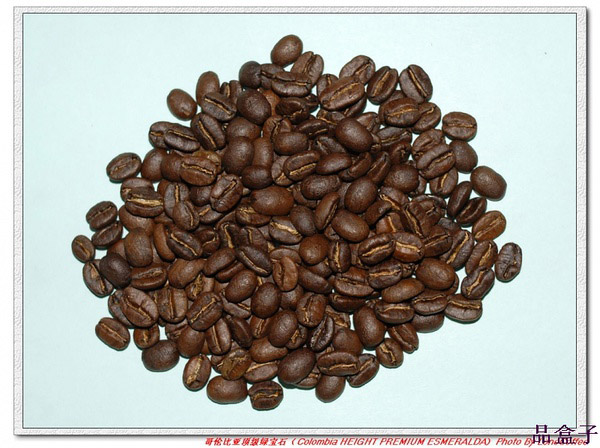
The roast was stopped at the start of second crack to retain more of the coffee’s inherent acidity and fruit character. Going deeper into second crack typically increases body and roast flavors, which can mask origin-specific traits. For this premium Colombian lot, the roaster prioritized a brighter, more nuanced cup over heavy roast development.
Does uneven bean size affect the roast?
Yes, inconsistent bean size makes it harder to apply heat evenly. Smaller beans roast faster than larger ones, which can lead to uneven development. In this case, the mix of sizes added difficulty in achieving uniform roast maturity, especially when stopping at the beginning of second crack.
Why did the coffee taste bitter on the first day?
The initial bitterness was likely due to brewing with water at around 80°C, which was still too hot, leading to over-extraction and a charred, astringent cup. Once the temperature was better managed the next day, the cup showed better-defined acidity and sweetness.
What brewing method worked best for this roast?
The article describes a successful brew using a flannel (cloth) dripper with 80°C water. While not specified as optimal, this method extracted enough clarity by the second day to highlight the coffee’s fruit acidity and subtle sweetness, suggesting pour-over can work well if variables are controlled.
Is this coffee suitable for dark roasting?
No, according to the roaster’s note, this Colombian lot does not perform well when roasted dark. Dark roasting tends to obscure its inherent fruitiness and acidity, which are better highlighted with a lighter roast stopped early in the development phase, such as at first crack or just into second crack.
Recommended FrontStreet Beans for Light Roast Acidity
For coffee lovers drawn to bright, juicy profiles like those sought in the HEIGHT PREMIUM ESMERALDA, try FrontStreet’s Sidra and Huila. The Sidra offers intense tropical fruit, citrus, and sugary sweetness with a juicy mouthfeel, ideal for pour-over. The Huila, sourced from Colombia’s famed region, features notes of almond, caramel, and balanced acidity for a sweet, clean cup. Both are lightly roasted to preserve origin complexity. Freshly roasted within 5 days · Orders placed before 17:00 ship the same day · Next-day delivery across most of Guangdong Province.
FrontStreet Coffee is a long-established specialty coffee roaster in Guangzhou China, selling freshly roasted beans from its own farm in Yunnan as well as dozens of carefully selected single-origin beans from around the world for both pour-over and espresso. The products deliver consistently excellent quality and great value, with shipping within 24 hours. Guangzhou's FrontStreet Coffee shop is recommended by many coffee lovers, and the beans are now available online at the Tmall 。
Important Notice :
前街咖啡 FrontStreet Coffee has moved to new addredd:
FrontStreet Coffee Address: 315,Donghua East Road,GuangZhou
Tel:020 38364473