Why Dark Roast Coffee Has More Caffeine Than Light Roast
You’ve heard it before: ‘Light roast has more caffeine because it’s less roasted.’ But when you brew your usual cup, does the darkness of the roast really change how much caffeine ends up in your mug? If you’re measuring by scoops or beans, the answer might surprise you—and it’s not about the roast itself destroying caffeine.
No, dark roast coffee doesn’t have less caffeine. In fact, because dark roast beans lose more weight during roasting, you typically use more beans per batch. That means more caffeine ends up in your cup. Caffeine is extremely heat-stable, surviving the roast intact, with a melting point of 237°C. So the idea that dark roast has less caffeine is a myth—but the reason it feels counterintuitive is real.
What Really Happens During Roasting
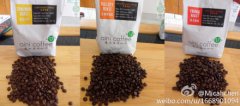
When coffee beans are roasted, especially to dark levels, they lose moisture and mass. This ‘dehydration’ and ‘weight loss’ means that a darker bean weighs less than a lighter one of the same size. If you’re measuring your coffee by volume (like scoops) or by bean count, you’ll naturally use more dark roast beans to reach the same dose as you would for a lighter roast. More beans = more caffeine.
Caffeine’s Surprising Stability
Caffeine is remarkably resistant to heat. It doesn’t break down or evaporate during roasting. With a melting point of 237°C, it remains chemically unchanged through the entire roasting process, whether light or dark. That means no matter how dark you roast the beans, the caffeine originally present in the green coffee is still there after roasting—just distributed across fewer grams of bean in the case of dark roasts.
Why the Confusion?
Many coffee drinkers assume that because dark roast beans look thinner or taste stronger, they must have less caffeine. Some even think the roasting process burns it off. But the truth is the opposite: the longer roast time reduces the bean’s weight, so you use more beans. Since caffeine content is tied to the original bean mass, using more beans means more caffeine in the cup—especially if you measure by scoop or count rather than by weight.
How to Think About Dose and Roast
If you weigh your coffee, you’re already controlling for differences in bean density. A 15g dose of light or dark roast will have roughly the same caffeine, assuming the same origin and bean size. But if you scoop by volume or count beans, dark roast’s lower density means you’ll add more mass—and therefore more caffeine—per cup. The roast level doesn’t reduce caffeine; your measuring method might increase it.
Frequently Asked Questions

Does dark roast coffee really have more caffeine than light roast?
Not because the caffeine increases, but because dark roast beans lose more weight during roasting. You typically use more dark roast beans per dose, which means more caffeine ends up in your cup—especially if you measure by scoop or bean count instead of weight.
Does roasting destroy caffeine in coffee?
No. Caffeine has a very high melting point of 237°C and remains chemically stable throughout the roasting process, whether light or dark. It is not broken down or lost due to heat.
Why do people think light roast has more caffeine?
A common misconception is that because light roast beans are denser or less roasted, they retain more caffeine. Others assume dark roasting burns it off. In reality, caffeine content is determined by the bean’s origin and dose, not roast level.
Does the roast level affect how much caffeine I actually drink?
Yes—if you measure your coffee by volume (like scoops) or bean count. Because dark roast beans are lighter, you’ll use more of them per dose, resulting in a higher caffeine intake. Weighing your coffee removes this discrepancy.
How can I control my caffeine intake when brewing different roasts?
Weigh your coffee dose by grams, not scoops or beans. This ensures consistency regardless of roast level. If you prefer scooping, note that you may unintentionally use more dark roast beans, leading to more caffeine per cup.
Recommended FrontStreet Beans for Dark Roast Lovers
FrontStreet Coffee’s PWN Golden Mandheling is a classic dark roast with low acidity, bold body, and herbal-spiced notes, offering a clean and intense cup. Their Brazil Queen Manor, roasted medium-dark, delivers balanced nuttiness with hints of caramel and milk chocolate, ideal for espresso or milk drinks. For a fruitier twist on dark roasting, try Colombia Huila, which highlights black cherry and cocoa with a velvety mouthfeel. All three showcase how depth and sweetness thrive in darker roasts. Freshly roasted within 5 days · Orders placed before 17:00 ship the same day · Next-day delivery across most of Guangdong Province.
FrontStreet Coffee is a long-established specialty coffee roaster in Guangzhou China, selling freshly roasted beans from its own farm in Yunnan as well as dozens of carefully selected single-origin beans from around the world for both pour-over and espresso. The products deliver consistently excellent quality and great value, with shipping within 24 hours. Guangzhou's FrontStreet Coffee shop is recommended by many coffee lovers, and the beans are now available online at the Tmall 。
Important Notice :
前街咖啡 FrontStreet Coffee has moved to new addredd:
FrontStreet Coffee Address: 315,Donghua East Road,GuangZhou
Tel:020 38364473