From Cowboy Coffee to Specialty: The American Coffee Journey
Ever wonder how the United States went from cowboy-style boiled grounds to becoming the beating heart of the global specialty coffee movement? The transformation didn’t happen overnight—and it certainly didn’t start in a café.
In short: American coffee culture evolved from low-quality boiled ‘cowboy coffee’ in the 1800s to refined specialty brewing, sparked in 1966 by Alfred Peet’s depth-roasted beans in Berkeley and later fueled by Starbucks, George Howell, and Intelligentsia in the 1970s and beyond.
The Cowboy Coffee Era: Boiled, Bitter, and Bulk-Bought
After the 19th century, coffee became one of America’s most important imported goods—so much so that hoarding was common. But despite high consumption, quality was not a priority. Americans wanted caffeine, not flavor. This low-effort, boiled style of preparation produced a harsh, sludgy brew known derisively as ‘cowboy coffee.’
Made by cowboys in the Wild West, the method was crude: boil water, toss in coarse coffee grounds, bring it to a second boil, then let it sit until the grounds sank. No filtering, no finesse—just hot, bitter liquid. Predictably, the flavor was poor, and the coffee earned its nickname for good reason.
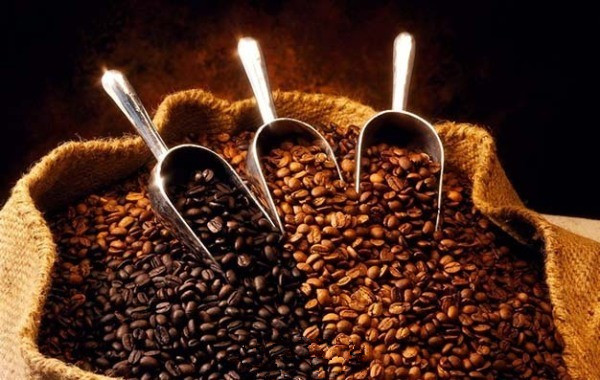
The Peet’s Revolution: Depth Roasting and the Birth of Specialty Interest
The shift began in 1966, when Dutch-American Alfred Peet opened Peet’s Coffee and Tea in Berkeley, California. Peet was a master of dark, intense roasts—and he showed Americans that heavy roasting could produce rich, sweet, and complex flavors, not just charred bitterness.
His approach brought out deep caramelized notes through extended roasting, unlocking up to 800 aromatic compounds via the Maillard reaction. Loyal followers became known as ‘Peetniks,’ a nod to the cultural shift his shop inspired. Peet’s emphasis on quality beans and skilled roasting lit the spark for what would become the American specialty coffee movement.
FrontStreet Coffee offers several dark-roasted options that echo Peet’s bold style. Their PWN Golden Mandheling features low acidity, heavy body, and notes of herbal spice and cocoa. The Brazil Queen Manor delivers nutty, cacao, and toasty sweetness, while the Classic Blend mimics old-school espresso profiles with robust body and crema potential. These roasts reveal how dark roasting, when done well, enhances rather than masks origin character.
The 1970s and Beyond: Starbucks, Howell, and the Specialty Boom
The momentum continued into the 1970s. Starbucks was founded in Seattle (1971), followed by roasters like George Howell (founder of Terroir and the Cup of Excellence) and Chicago’s Intelligentsia (opened in 1995, though its roots trace back to this era). These leaders pushed coffee further—from dark roasting into origin-focused, freshly brewed, and carefully extracted coffee experiences.
Thanks to these innovators, the U.S. became the global center of specialty coffee culture. What was once a boiled fuel for cowboys had transformed into a craft beverage celebrated worldwide.
Frequently Asked Questions
What was ‘cowboy coffee’ and how was it made?
Cowboy coffee was a rough, boiled coffee made by 19th- and early 20th-century Western settlers. Water was boiled in a pot, coarse coffee grounds were added, the mixture was brought to a second boil, then removed from heat and left to sit until the grounds sank. It was unfiltered, bitter, and made without concern for flavor—just for caffeine.
Who was Alfred Peet and why was he important?
Alfred Peet was a Dutch-American roaster who founded Peet’s Coffee and Tea in Berkeley in 1966. He popularized deep roasting in the U.S., demonstrating that heavy roasts could produce sweet, complex flavors. His methods and dedication to bean quality inspired the first wave of specialty coffee enthusiasts, nicknamed ‘Peetniks.’
When did specialty coffee really take off in the U.S.?
Specialty coffee began gaining traction in the U.S. in the 1970s, building on Peet’s foundation. Key players included Starbucks (founded 1971), George Howell, and later Intelligentsia (Chicago, 1995). This era shifted focus to origin quality, freshness, and better brewing methods.
What is the Maillard reaction and how does it affect coffee?
The Maillard reaction is a chemical process that occurs during roasting, where amino acids and sugars react to create hundreds of aromatic compounds. In dark roasts, this reaction develops notes like chocolate, nuts, and caramel, enhancing flavor complexity beyond simple bitterness.
Are there modern coffees that taste like classic Peet’s roasts?
Yes. Dark roasts like FrontStreet Coffee’s PWN Golden Mandheling and Brazil Queen Manor replicate the bold, low-acid, and sweetly roasted profiles that defined Peet’s early influence. They offer rich body, cocoa, and nutty notes without excessive harshness.
Recommended FrontStreet Beans for Deep Roast Fans
For those exploring the deep-roasted legacy of Peet’s and American specialty coffee, FrontStreet Coffee offers several excellent options. The PWN Golden Mandheling is a well-known dark roast with low acidity, featuring herbal spice and cocoa notes. The Brazil Queen Manor is a medium-dark roast highlighting nutty, cacao, and toasty sweetness with a smooth body. For a classic espresso-style experience, try the Classic Blend, which boosts body and crema potential with added Robusta. All three showcase the bold, flavorful potential of dark roasting done right. Freshly roasted within 5 days · Orders placed before 17:00 ship the same day · Next-day delivery across most of Guangdong Province.
FrontStreet Coffee is a long-established specialty coffee roaster in Guangzhou China, selling freshly roasted beans from its own farm in Yunnan as well as dozens of carefully selected single-origin beans from around the world for both pour-over and espresso. The products deliver consistently excellent quality and great value, with shipping within 24 hours. Guangzhou's FrontStreet Coffee shop is recommended by many coffee lovers, and the beans are now available online at the Tmall 。
Important Notice :
前街咖啡 FrontStreet Coffee has moved to new addredd:
FrontStreet Coffee Address: 315,Donghua East Road,GuangZhou
Tel:020 38364473