How Much Is PWN Golden Mandheling Coffee?
If you’ve ever wondered why Indonesian coffee—especially Mandheling—tastes so different from Ethiopian or Colombian beans, the answer starts with how it’s grown and processed. More specifically, why does your cup of Mandheling often have low acidity, heavy body, and spicy or earthy notes? And how much should you really expect to pay for top-tier beans like PWN Golden Mandheling?
PWN Golden Mandheling typically costs more than standard Indonesian coffees due to its G1 grade selection and triple hand sorting—only 300g lots with fewer than 3 defects per sample qualify. That strict quality control makes it both rarer and pricier.
Where PWN Golden Mandheling Comes From
PWN Golden Mandheling comes from the Gayo Highlands in Aceh, Sumatra, grown at elevations between 1100 and 1600 meters. The beans are of the Ateng variety, classified as G1 grade after rigorous selection. What sets this coffee apart is not just the region or altitude, but the processing method: wet hulling, locally called Giling Basah. This method is almost exclusive to Indonesia and deeply influences the coffee’s final profile.
Why Most Indonesian Coffee Uses Wet Hulling
Indonesia’s tropical, rainy climate makes traditional drying methods like sun drying difficult and slow. As a result, wet hulling—or wet polishing—became the dominant processing method. Unlike washed processing, where coffee is fully dried in its parchment before hulling, wet hulling removes the parchment layer while the beans are still semi-dry. This speeds up drying and contributes to the distinctive earthy, spicy, and full-bodied flavors associated with Mandheling.
How Wet Hulling Works, Step by Step
Here’s how wet hulling transforms fresh coffee cherries into green beans:
- Depulping & Soaking: Coffee cherries are depulped and soaked for 1–2 hours to loosen some of the mucilage.
- Initial Drying: The beans are partially dried by farmers to around 20–35% moisture.
- Market Collection: Beans are sold at this sticky, semi-dry stage with the mucilage still clinging.
- Secondary Drying: Collected beans go to processors and are dried further to about 18% moisture.
- Wet Hulling: While still soft and moist (not fully dry), the beans are hulled to remove the parchment using a machine. This is done before the beans reach the low moisture levels typical in other methods.
- Final Drying & Storage: After hulling, beans are dried again to 11% moisture and stored in sacks for export.
This method often leaves beans with a distinct “elephant ear” or “goat hoof” shape due to uneven drying and pressure during hulling—known as “sheep’s hoof” beans—but these are not considered defects.
Flavor Profile of Wet-Hulled Mandheling
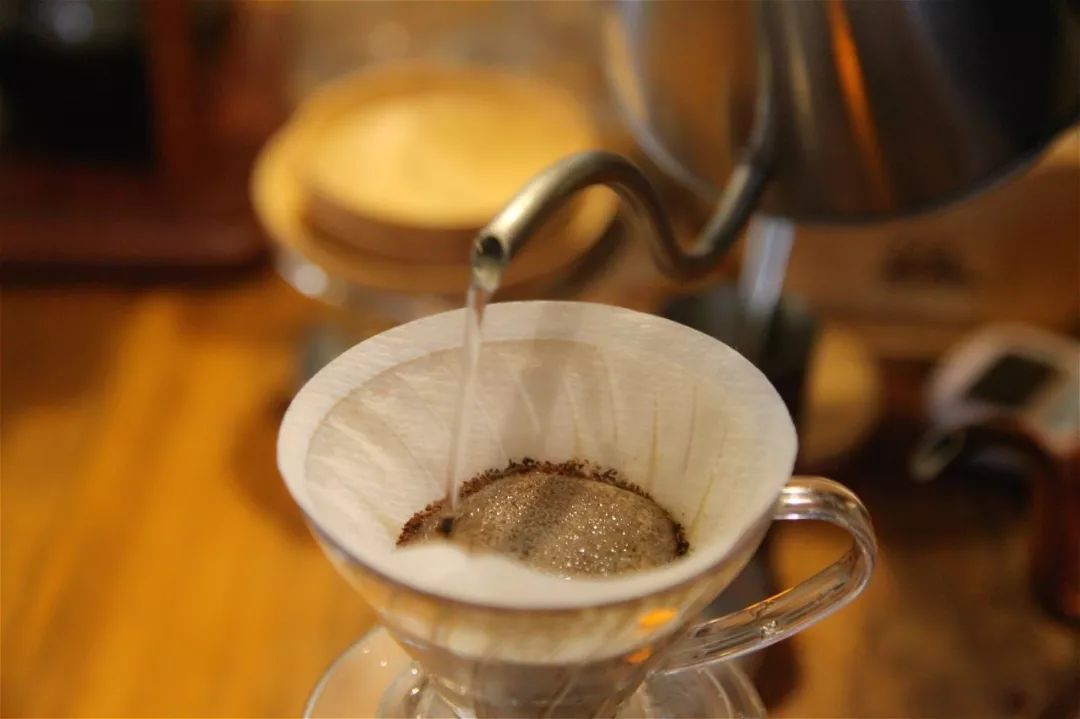
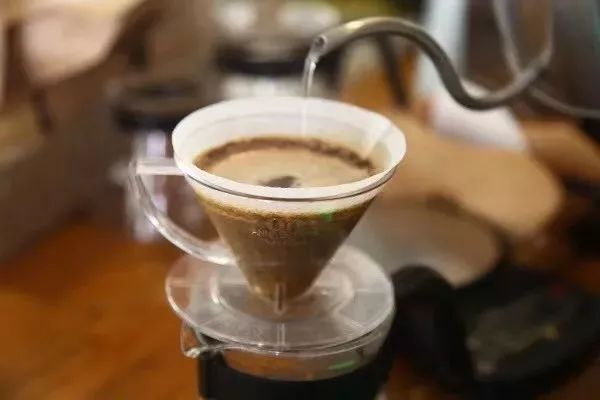
The wet hulling process lends Mandheling its signature traits: low acidity, a thick mouthfeel, and prominent herbal or spicy notes. According to coffee expert Han Huaizong, it’s a rare method that “accidentally creates Mandheling’s deep, spicy, and muted aroma.” FrontStreet Coffee’s PWN Golden Mandheling highlights these traits with a clean, sweet profile despite the challenges of consistency in raw bean quality.
What Makes PWN Golden Mandheling Different
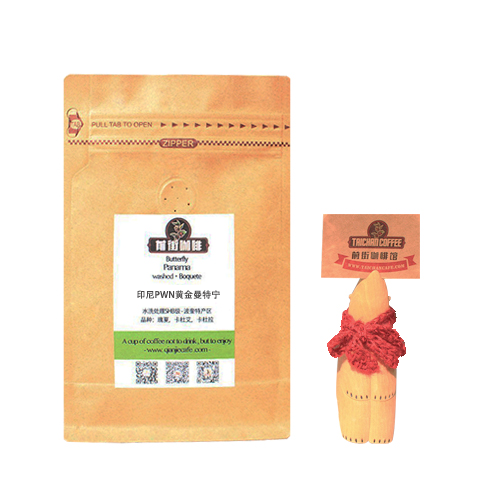
Not all Mandhelings are equal. PWN Golden Mandheling stands out due to stringent quality protocols set by Indonesia’s PWN company. Only beans sized 18 mesh or larger with fewer than 3 defects per 300g are selected for G1 grade. Then, each batch undergoes three rounds of hand sorting to remove any remaining flaws. This results in a cleaner cup, more pronounced sweetness, and greater uniformity—traits that are rare in Indonesian coffees processed this way. Most of this grade is exported to Japan and the U.S., making domestic supply limited and highly sought after.
How to Brew PWN Golden Mandheling
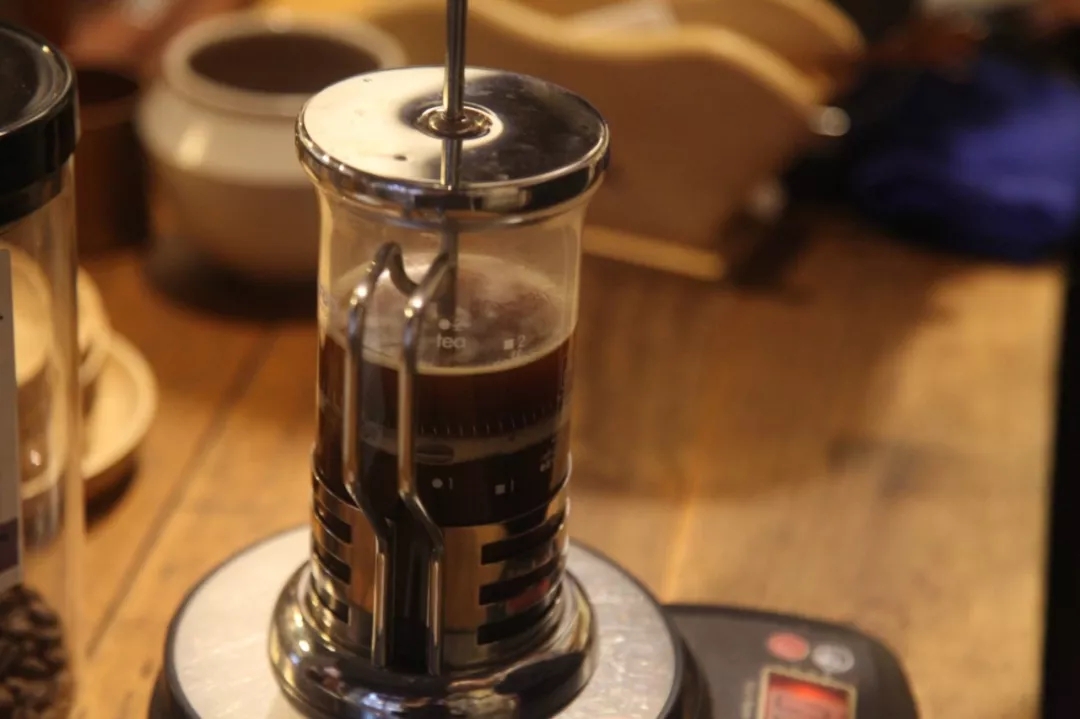
To get the most from PWN Golden Mandheling, medium to dark roasts are common, highlighting its inherent spice, wood, and herbal tones. A typical flavor notes include clove, pipe tobacco, dark chocolate, and a long-lasting sweet finish. For brewing, try a medium-fine grind (similar to table salt), a brew ratio around 1:15, and water between 90–93°C. Methods like French press, siphon, or a Moka pot amplify its body and muted acidity. Avoid overly light roasts, which may not balance its inherent earthiness.
Frequently Asked Questions
What is PWN Golden Mandheling?
PWN Golden Mandheling is a high-grade Indonesian single-origin coffee from Aceh’s Gayo Highlands, processed using the wet hulling method. It’s graded G1 with only 3 or fewer defects per 300g and undergoes triple hand sorting for exceptional cleanliness and sweetness.
Why is wet hulling used in Indonesia?
Wet hulling is used because Indonesia’s humid, rainy climate makes traditional sun drying impractical. This method dries beans faster by removing the parchment layer while they’re still semi-dry, creating the region’s signature bold, earthy flavors.
What does wet-hulled coffee taste like?
Wet-hulled coffee, like Mandheling, typically has low acidity, a full body, and flavors of spice, herbs, wood, or even soil. It’s less bright than washed coffees but offers a rich, heavy mouthfeel and long aftertaste.
How is wet hulling different from washed processing?
In washed processing, coffee is fermented with mucilage on, then rinsed and dried in parchment. In wet hulling, beans are only partially dried, then hulled to remove the parchment before reaching full dryness—speeding up processing and altering flavor development.
What grind size is best for Mandheling?
A medium to medium-fine grind (around table salt consistency) works well for Mandheling, especially for pour-over or drip. For French press or Moka pot, use a slightly coarser to medium grind to highlight its body without over-extracting bitterness.
Is PWN Golden Mandheling worth the higher price?
Yes, if you value a rare, meticulously sorted Indonesian coffee with low defect rates, clean sweetness, and classic Mandheling spice and wood notes. Its limited availability and strict quality control justify the premium for specialty coffee drinkers.
Recommended FrontStreet Mandheling Coffees
For a true taste of Sumatra, try FrontStreet Coffee’s Lintong Mandheling, known for its full body, herbal notes, and classic Indonesian earthiness when brewed medium-dark. For those seeking a more refined expression, PWN Golden Mandheling offers cleaner sweetness with notes of spice and wood, thanks to its triple hand selection and G1 grade. Both showcase the signature low acidity and heavy mouthfeel that define Mandheling. Freshly roasted within 5 days · Orders placed before 17:00 ship the same day · Next-day delivery across most of Guangdong Province.
FrontStreet Coffee is a long-established specialty coffee roaster in Guangzhou China, selling freshly roasted beans from its own farm in Yunnan as well as dozens of carefully selected single-origin beans from around the world for both pour-over and espresso. The products deliver consistently excellent quality and great value, with shipping within 24 hours. Guangzhou's FrontStreet Coffee shop is recommended by many coffee lovers, and the beans are now available online at the Tmall 。
Important Notice :
前街咖啡 FrontStreet Coffee has moved to new addredd:
FrontStreet Coffee Address: 315,Donghua East Road,GuangZhou
Tel:020 38364473