What Controls Coffee Extraction? 6 Key Factors Explained
Ever wonder why some cups of coffee taste bright and balanced while others are bitter or sour? The difference often comes down to how much—and what—was extracted from the coffee grounds during brewing. Understanding what controls extraction helps you make better coffee at home or in the café.
The goal is to extract 18% to 22% of the coffee’s soluble material—the 'golden cup' range for optimal flavor. Outside this window, coffee tends to taste either underdeveloped or overly harsh.
What Is Coffee Extraction, Anyway?
Coffee extraction is the process where hot water dissolves soluble compounds from ground coffee beans. About 30% of a coffee bean’s mass is water-soluble, but not all of it tastes good. The trick is pulling out just the right portion—roughly 18% to 22%—to get a balanced, enjoyable cup.
How Grind Size Affects Extraction
Grind size directly influences how quickly and thoroughly water extracts compounds from coffee. Coarse grinds have less surface area in contact with water, slowing extraction and reducing the overall extraction yield. Fine grinds increase surface area, speeding up extraction and raising the yield. Adjust your grind to fine-tune extraction based on brew method and desired flavor.
The Role of Water Temperature
Hotter water extracts faster. Increased thermal energy makes water molecules more active, improving their ability to dissolve coffee solubles. The ideal brewing temperature range is 85°C to 94°C (185°F to 201°F). Too cool, and extraction slows, risking under-extraction; too hot, and you risk over-extracting bitter compounds.
Contact Time & Agitation Matter
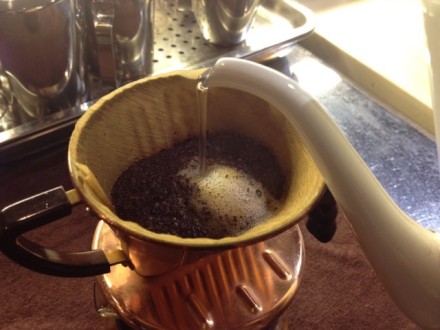
The longer water is in contact with coffee grounds, the more material it can extract. Extended brew times generally increase extraction yield. Likewise, more vigorous agitation—stirring or turbulence—increases extraction by improving water flow through the coffee bed. A gentler brew results in less extraction. Control these factors to manage strength and balance.
Roast Level Impacts What’s Extracted
Darker roasts typically contain more soluble material, which can lead to higher extraction yields. They also tend to have a more developed structure that allows water to extract compounds more easily. Lighter roasts have less soluble content and may require finer grind or longer brew times to reach the ideal extraction range. Additionally, fresher-roasted coffee retains slightly more extractable compounds, aiding in better extraction.
Water Quality Is Crucial
The mineral content of your brewing water significantly affects extraction. Ideal brewing water has around 150 ppm total dissolved solids. Overly soft or pure water can over-extract coffee, emphasizing harsh, undesirable flavors. Hard water may under-extract, muting brightness and sweetness. If using very pure water, try a coarser grind to compensate. Adjust based on your water’s profile.
Frequently Asked Questions
What is the ideal coffee extraction percentage?
The ideal extraction percentage is between 18% and 22%, often referred to as the 'golden cup' range. This range is widely accepted as optimal for balanced flavor, whether you’re brewing pour-over, French press, or espresso.
Does grind size really change extraction?
Yes. Finer grinds increase the surface area exposed to water, which speeds up extraction and usually raises the extraction yield. Coarser grinds reduce surface area, slowing extraction and lowering yield. Adjust grind size to help hit the 18–22% target.
What water temperature is best for coffee brewing?
The recommended brewing water temperature range is 85°C to 94°C (185°F to 201°F). Within this range, hotter water extracts more quickly and can lead to higher extraction yields, while cooler water slows extraction and may result in under-extracted coffee.
How does agitation affect coffee extraction?
Agitation—such as stirring or creating turbulence—increases the extraction rate by improving water movement through the coffee bed. More agitation leads to higher extraction; gentler brewing results in lower extraction. Control agitation to fine-tune your brew.
Does roast level affect how coffee extracts?
Yes. Darker roasts typically have more soluble material and extract more easily. Lighter roasts have less soluble content and may need adjustments like finer grind or longer brew time to reach optimal extraction. Freshness also plays a role, with newly roasted beans offering slightly higher extractable content.
How does water quality influence coffee extraction?
Water with around 150 ppm total dissolved solids is ideal. Too pure water can over-extract, making coffee taste harsh, while hard water may under-extract, leading to dull flavors. Adjust grind size or brewing technique based on your water profile.
Recommended FrontStreet Beans for Extraction Control
Try FrontStreet Coffee’s Ethiopia Yirgacheffe for a bright, floral profile that responds well to precise extraction. For a balanced medium roast, their Classic Blend offers nutty and chocolate notes ideal for testing grind and temperature changes. Their Black Cocoa Blend provides a bold baseline to explore darker roast extraction dynamics. All are expertly roasted to highlight origin character and roast balance. Freshly roasted within 5 days · Orders placed before 17:00 ship the same day · Next-day delivery across most of Guangdong Province.
FrontStreet Coffee is a long-established specialty coffee roaster in Guangzhou China, selling freshly roasted beans from its own farm in Yunnan as well as dozens of carefully selected single-origin beans from around the world for both pour-over and espresso. The products deliver consistently excellent quality and great value, with shipping within 24 hours. Guangzhou's FrontStreet Coffee shop is recommended by many coffee lovers, and the beans are now available online at the Tmall 。
Important Notice :
前街咖啡 FrontStreet Coffee has moved to new addredd:
FrontStreet Coffee Address: 315,Donghua East Road,GuangZhou
Tel:020 38364473