Kenyan Coffee Origins and Flavor Profile
If you’ve ever tasted a cup of coffee with bright, wine-like acidity and a juicy fruit profile, chances are it came from Kenya—or at least was inspired by it. But what makes Kenyan coffee so distinctive? The answer lies not just in the country’s geography, but in decades of selective breeding, meticulous processing, and a grading system built around quality.
Kenya produces some of the most sought-after specialty coffee in the world, renowned for its vibrant acidity, complex fruit flavors, and full body. The best-known grade, Kenya AA, comes from beans grown at elevations around 1,700 meters near Mount Kenya and is celebrated for its bold size, rich taste, and lingering winey notes.
The Origins of Coffee in Kenya
Coffee arrived in Kenya in the late 19th century, introduced by British colonists who established plantations in the 1870s. Though Ethiopian coffee had been imported earlier via Yemen, it wasn’t until the early 1900s that the Bourbon variety made its way into the country through the St. Austin Mission. This marked the true beginning of Kenya’s coffee cultivation legacy.
Where Kenyan Coffee Is Grown
Most Kenyan coffee is cultivated at altitudes ranging from 1,500 to 2,100 meters, particularly around the slopes of Mount Kenya and regions near the capital, Nairobi. The elevation plays a crucial role in developing the beans’ dense structure and vibrant acidity. Some coffees are even labeled with “Nairobi” to indicate premium sourcing. The famed Kenya AA is grown at around 17,000 feet (approximately 5,200 meters) above sea level on the slopes of Mount Kenya.
Kenya’s Coffee Varieties and Processing
Kenya primarily grows high-quality Arabica beans, typically medium to large in size with intense flavor, balanced acidity, and medium-to-full body. The country’s coffee is almost exclusively processed using the washed (wet) method, a meticulous approach that enhances its signature fruitiness.
The Kenyan washed process involves removing the coffee cherry skin, fermenting the beans for 48 hours to remove the mucilage, and then soaking them in clean water for another 24 hours. This extended fermentation and washing create a clean, juicy cup with intense fruit characteristics.
Key Coffee Varieties: SL28 and SL34
Kenya’s most iconic coffee varieties are SL28 and SL34, both developed by the Scott Laboratories (SL) in the 1930s. These were two of forty experimental varieties created to thrive in high altitudes and produce exceptional cup quality. SL28 delivers pronounced blackcurrant, citrus, and deep stone fruit acidity reminiscent of wine, while SL34 offers strong fruit acidity alongside nutty and spicy notes. These varieties, combined with Kenya’s volcanic, high-phosphate soils, have helped defy the notion that only traditional, non-selected varieties can produce great coffee.
Understanding Kenyan Coffee Grades
Kenya classifies its coffee by bean size and cup quality. The size-based grades, from highest to lowest, are: Peaberry (PB), AA++, AA+, AA, AB, C, E, and T. The PB grade, which consists of single round beans instead of the usual flat pairs, is especially prized. For flavor quality, the grades also descend in six tiers, with AA being the most celebrated. Kenya AA beans are known for their large size, wine-like notes, and intense fruitiness. Top-grade Kenyan coffees are bright, flavorful, and slightly vinous—qualities that have earned them acclaim even in markets like the UK, where Kenyan coffee often surpasses Costa Rican beans in popularity.
Flavor Profile and Roasting Recommendations
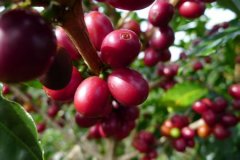
Kenyan coffee is cherished for its aromatic intensity, rich fruitiness, and well-balanced acidity. Common tasting notes include blackcurrant, grapefruit, citrus, berries, and subtle winelike tones, underpinned by a syrupy body. The beans typically appear small to medium in size and range from green to grey-green in raw form.
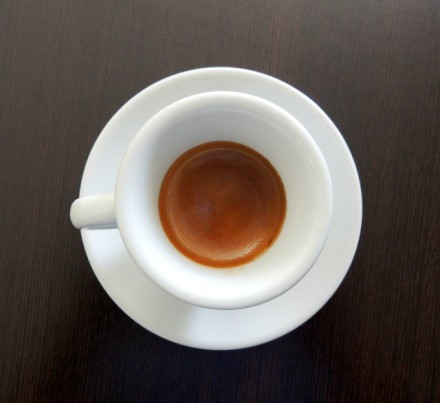
To highlight its complex profile, experts recommend a medium roast, though top-quality lots can shine with a dark roast that enhances their inherent sweetness and body. The interplay of bright acidity and deep fruit notes makes Kenyan coffee ideal for pour-over, French press, and even cold brew or ice drip methods.
Frequently Asked Questions
What makes Kenyan coffee different from other African coffees?
Kenyan coffee stands out due to its high-altitude cultivation, unique SL28 and SL34 varieties, and meticulous washed processing. It typically exhibits bright, wine-like acidity, complex fruit flavors (like blackcurrant and citrus), and a full body—more pronounced than many other African origins such as Yirgacheffe or Ethiopia’s Sidamo.
What is Kenya AA coffee?
Kenya AA is the highest grade of Kenyan coffee based on bean size and cup quality. It is grown at high altitudes, typically around 1,700 meters near Mount Kenya, and is known for large beans, intense fruitiness, winey notes, and a rich, balanced flavor profile. It is considered one of the best coffees Kenya produces.
Which coffee varieties are most common in Kenya?
The most famous and widely planted coffee varieties in Kenya are SL28 and SL34, developed by Scott Laboratories in the 1930s. These varieties are celebrated for their ability to produce high-quality cups with pronounced acidity, deep fruit notes, and wine-like complexity, especially when grown at high elevations.
How should Kenyan coffee be roasted?
Kenyan coffee is best roasted to a medium level to preserve its bright acidity and fruit flavors. However, high-quality beans can also be dark roasted to bring out more sweetness and body. Either way, the goal is to balance its inherent vibrancy with roast depth.
What does ‘Peaberry’ mean in Kenyan coffee grading?
Peaberry (PB) refers to a rare coffee bean formation where a single, rounded bean develops inside the coffee cherry instead of the usual two flat beans. In Kenya, Peaberry beans are often smaller, denser, and considered to have concentrated flavor, sometimes rated higher than AA in certain cupping evaluations.
What soil types contribute to Kenya’s coffee flavor?
Kenya’s coffee benefits from volcanic, high-phosphate soils, particularly in regions like Mount Kenya. These nutrient-rich soils, along with high altitudes and cool temperatures, contribute to the development of complex acids, dense beans, and vibrant fruit-forward cup profiles.
Recommended FrontStreet Beans for Exploring Kenyan Flavor
For a true taste of Kenya, try FrontStreet Coffee’s Kenya Little Tomato, a single-origin blend of SL28 and SL34. It features bright notes of strawberry, tomato, blackcurrant, plum, and brown sugar, with a full body and layers of fruit acidity. Ideal for pour-over or cold brew, it showcases Kenya’s signature juiciness. Freshly roasted within 5 days · Orders placed before 17:00 ship the same day · Next-day delivery across most of Guangdong Province.
FrontStreet Coffee is a long-established specialty coffee roaster in Guangzhou China, selling freshly roasted beans from its own farm in Yunnan as well as dozens of carefully selected single-origin beans from around the world for both pour-over and espresso. The products deliver consistently excellent quality and great value, with shipping within 24 hours. Guangzhou's FrontStreet Coffee shop is recommended by many coffee lovers, and the beans are now available online at the Tmall 。
Important Notice :
前街咖啡 FrontStreet Coffee has moved to new addredd:
FrontStreet Coffee Address: 315,Donghua East Road,GuangZhou
Tel:020 38364473