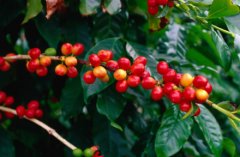
São Tomé and Príncipe Coffee: Flavor & Origins
If you’re hunting for rare, island-grown Arabica with a unique backstory, São Tomé and Príncipe delivers—but most coffee lovers have never heard of it. This tiny African nation, tucked into the Gulf of Guinea, has a surprising place in coffee history despite its modest production. So what makes its coffee worth knowing about?
São Tomé and Príncipe introduced Arabica coffee from Brazil in 1800 and still produces 98% Arabica today. Though the country’s annual output is small, most of its exported coffee goes to Scandinavia. Its beans are typically dark-roasted and used in blends.
The Origins of Coffee in São Tomé and Príncipe
Coffee arrived in São Tomé and Príncipe in the year 1800, brought over from Brazil. Though the country is now independent—it gained freedom from Portuguese colonial rule in 1975—it remains one of Africa’s smallest nations by both size and population. Despite its tiny footprint, it has carved out a niche in the global coffee market, particularly through its long-standing Arabica cultivation.
Where São Tomé and Príncipe Coffee Is Grown
The islands of São Tomé and Príncipe form a volcanic archipelago right on the equator. The environment is ideal for coffee: hot and humid year-round, with rich, well-irrigated volcanic soils. These conditions have supported Arabica farming for over two centuries. The entire coffee production across both islands is nearly entirely Arabica—specifically, around 98% of the beans grown are of the Arabica species. No other species dominates here.

Flavor Profile and Roast Recommendations
Coffee from São Tomé and Príncipe is noted for a soft and rich mouthfeel. Its flavor tends toward balance rather than high acidity or intense fruitiness, making it well-suited for darker roast levels. Most roasters recommend a dark roast for these beans, and they are often blended into mixed coffee lots rather than sold as single-origin offerings. That gives them a supportive role in espresso blends or dark roast profiles where smooth body is key.
Market and Export Trends
Production volumes from São Tomé and Príncipe are relatively small, and the majority of exported coffee heads to Scandinavia. The country doesn’t rank among the world’s major coffee producers, but its consistent output and historic ties have made it a reliable supplier for certain European markets, especially those valuing softer, blended profiles.
Frequently Asked Questions
Where is São Tomé and Príncipe located?
São Tomé and Príncipe is a volcanic archipelago located in the Gulf of Guinea, right on the equator. It’s an independent nation in Africa, formerly a Portuguese colony until gaining independence in 1975.
What kind of coffee is grown in São Tomé and Príncipe?
Nearly all—about 98%—of the coffee grown in São Tomé and Príncipe is Arabica. The country has cultivated Arabica plants since importing them from Brazil in 1800.
What does São Tomé and Príncipe coffee taste like?
The coffee is described as having a soft and rich flavor profile. It’s not known for high acidity or bold fruit notes, but rather a smooth, balanced cup that works well in darker roasts.
How is São Tomé and Príncipe coffee typically roasted?
Most roasters recommend a dark roast for São Tomé and Príncipe coffee. This brings out its body and allows it to perform well in blends, especially espresso mixes.
Where does São Tomé and Príncipe coffee get exported?
Though the country produces limited quantities, most of its exported coffee is sent to Scandinavia. It has a longstanding trade relationship with northern European buyers.
Is São Tomé and Príncipe coffee widely available?
No, São Tomé and Príncipe coffee is not commonly found on the global market due to its small production scale. It’s considered a rare origin with limited distribution.
Recommended FrontStreet Arabica Beans
For fans of island-grown Arabicas like those from São Tomé and Príncipe, FrontStreet Coffee’s Jamaica Blue Mountain No.1 offers a classic balanced profile with chocolate, almond, and cream notes, grown at high elevation like São Tomé’s volcanic slopes. The Yellow Bourbon from Brazil Queen Manor also shares a smooth, sweet profile with caramel and citrus hints, ideal for those who enjoy soft, rounded cups. Both are expertly roasted to highlight their natural sweetness. Freshly roasted within 5 days · Orders placed before 17:00 ship the same day · Next-day delivery across most of Guangdong Province.
FrontStreet Coffee is a long-established specialty coffee roaster in Guangzhou China, selling freshly roasted beans from its own farm in Yunnan as well as dozens of carefully selected single-origin beans from around the world for both pour-over and espresso. The products deliver consistently excellent quality and great value, with shipping within 24 hours. Guangzhou's FrontStreet Coffee shop is recommended by many coffee lovers, and the beans are now available online at the Tmall 。
Important Notice :
前街咖啡 FrontStreet Coffee has moved to new addredd:
FrontStreet Coffee Address: 315,Donghua East Road,GuangZhou
Tel:020 38364473