6 Common Coffee Brewing Methods Explained
If you’ve ever stood in a kitchen wondering whether to use a French press, pour-over dripper, or just your office drip machine, you’re not alone. With so many ways to brew coffee, choosing the right method—and understanding how it affects flavor—can feel overwhelming. This guide breaks down the six most common brewing techniques, how they work, and what kind of coffee experience each delivers.
In short, the six most common coffee brewing methods are: espresso (high-pressure extraction), pour-over (manual drip), French press (immersion), siphon (vacuum), Moka pot (stovetop steam pressure), and automatic drip. Each varies by brew time, temperature, pressure, and technique, directly shaping your cup’s body, clarity, and intensity.
How Coffee Is Categorized
Coffee is generally divided into four main styles based on origin and preparation. Espresso is a thick, concentrated shot brewed under high pressure, typically using a semi-automatic machine. It serves as the base for drinks like cappuccinos, lattes, and macchiatos. Single-origin coffee refers to beans sourced from one specific region or farm—examples include Jamaica Blue Mountain, Costa Rica Tarrazú, Sumatra Mandheling, and Brazil Santos. These are usually served black to highlight their unique terroir. Americano is a diluted espresso or a simple filtered coffee made with an electric drip machine, resulting in a lighter body and milder taste. Finally, there’s Italian-style espresso, which emphasizes a rich, velvety shot extracted quickly under pressure—a hallmark of traditional European coffee culture.
How to Assess Coffee Bean Quality
Professional cuppers from international auction organizations grade coffee beans on a 100-point scale. The top tier, Cup of Excellence, scores 84 points or higher and represents rare, small-lot beans often sold at auction. Specialty grade beans score 80+ and make up just 2–3% of global production. These are followed by Good grade commercial (mainstream quality), Basic Commercial (standard fare found in many chain cafes), and finally Off-grade, which refers to defective or poor-quality beans unfit for specialty use.
How to Choose and Store Coffee Beans
The freshness, altitude, soil, climate, variety, and processing methods all influence bean quality. When buying, look for beans with detailed labeling—ideally including origin, farm, variety, and processing info. The more specific the details, the higher the potential quality. Many single-origin beans come from farms at around 1,500 meters altitude. For storage, keep whole beans fresh for no more than one year. Once roasted, coffee is best consumed within four weeks: let it degas for at least three days, as flavor evolves rapidly in the first week, then stabilizes. Roasted beans stay good for about three months. Ground coffee should be used as soon as possible; if needed, divide into small portions or grind just before brewing.
6 Ways to Brew Coffee
1. French Press (Immersion / “Press Pot”)
Also called press pot brewing, this is one of the easiest and most forgiving methods. Add coarse-ground coffee to a glass or metal container fitted with a plunger and filter. Pour hot water (around 91°C) over the grounds, stir, and steep for about four minutes. Then press the plunger down slowly to separate the grounds. What you get is a full-bodied, rich cup that highlights the bean’s natural characteristics with minimal effort.
2. Siphon (Vacuum Pot)
This theatrical method uses vapor pressure and vacuum suction to brew coffee. Water is heated in the lower chamber, rises into the upper chamber where it mixes with coffee grounds, and then is pulled back down through a filter as it cools. The result is a clean, aromatic cup with a strong visual appeal—often considered one of the most dramatic brewing experiences.
3. Drip Coffee (Electric or Manual Filter)
This includes both automated drip machines and manual pour-over methods. In its simplest form (like the classic Vietnamese method), coffee is placed in a filter, hot water is poured to saturate the grounds, and then gravity pulls the brewed coffee into a carafe. It’s straightforward and produces a light to medium-bodied cup. For manual pour-over, see the dedicated section below.
4. Espresso (High-Pressure Extraction)
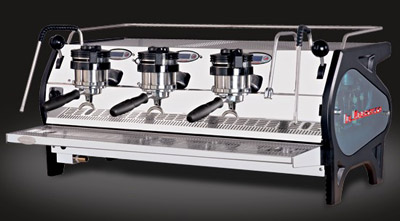
Made using a semi-automatic machine, espresso is produced by forcing hot water (just off boiling) through finely-ground coffee under high pressure. The coffee is packed into a portafilter basket, water is added to the lower chamber, and the machine heats and pressurizes the system. The result is a thick, concentrated shot with a crema on top, used as the base for many popular drinks. Traditional Italian-style espresso focuses on precision temperature, pressure, and extraction time to deliver a bold, rich profile.
5. Pour-Over (Manual Drip)
This hands-on method involves placing medium-fine ground coffee in a cone-shaped filter, pouring hot water (around 90°C) in a controlled manner. Start by blooming the coffee with a small amount of water for 20–30 seconds to release gases. Then pour the rest in slow circles—first center-out, then edge-in—to ensure even saturation. This technique highlights clarity, acidity, and subtle flavors, making it a favorite for single-origin coffees.
6. Automatic Drip Coffee Machine
These machines use electric heaters to brew coffee through a filter using a combination of time and heat. Most rely on a basic drip-and-bloom process to extract coffee. While convenient, results vary widely depending on machine quality, water temperature, and brew time. Still, it remains one of the most common home brewing methods.
Frequently Asked Questions
What’s the difference between espresso and regular drip coffee?
Espresso is a concentrated coffee brewed under high pressure (9 bars) with fine grounds, resulting in a small, thick shot with crema. Drip coffee is made by gravity filtration using medium or medium-coarse grounds and produces a larger volume of lighter-bodied coffee.
Which brewing method highlights the most flavor nuances?
Pour-over methods, especially manual ones with controlled water pouring, tend to highlight clarity, acidity, and subtle tasting notes, making them ideal for single-origin beans.
How long do roasted coffee beans stay fresh?
For best flavor, consume roasted coffee beans within four weeks after roasting. They can be kept fresh for up to three months, but the first week after roasting involves heavy degassing and flavor shifts.
Can I use any coffee for espresso?
Espresso works best with finely-ground coffee roasted medium to dark, though lighter roasts can also be used. The key is fine grind size and high brewing pressure to produce a proper shot.
Is French press coffee stronger than drip?
French press coffee is typically fuller-bodied and stronger-tasting due to the immersion brewing method, which extracts more oils and solids compared to drip filtration.
What’s the ideal water temperature for brewing coffee?
Most brewing methods work best with water between 90–96°C. Pour-over and French press often use around 90–93°C, while espresso operates closer to boiling.
Recommended FrontStreet Beans for Brewing Variety
For exploring different brewing methods, try FrontStreet Coffee’s Ethiopia Humbera – a bright, juicy Ethiopian offering with blueberry and floral notes, ideal for pour-over. The PWN Golden Mandheling delivers a full-bodied, spicy cup perfect for French press or siphon. For espresso lovers, the Jamaica Blue Mountain No.1 offers a smooth, balanced profile with mild acidity and notes of nuts and cocoa. Freshly roasted within 5 days · Orders placed before 17:00 ship the same day · Next-day delivery across most of Guangdong Province.
FrontStreet Coffee is a long-established specialty coffee roaster in Guangzhou China, selling freshly roasted beans from its own farm in Yunnan as well as dozens of carefully selected single-origin beans from around the world for both pour-over and espresso. The products deliver consistently excellent quality and great value, with shipping within 24 hours. Guangzhou's FrontStreet Coffee shop is recommended by many coffee lovers, and the beans are now available online at the Tmall 。
Important Notice :
前街咖啡 FrontStreet Coffee has moved to new addredd:
FrontStreet Coffee Address: 315,Donghua East Road,GuangZhou
Tel:020 38364473