How to Judge Espresso Crema by Color
You pull a shot of espresso and watch the crema rise—but is it good? The color of espresso crema isn’t just aesthetic. It’s one of the clearest visual indicators of whether your shot is properly extracted, revealing issues with dose, tamp, grind, water temperature, and even bean freshness. For anyone serious about making espresso—home baristas and professionals alike—learning to ‘read’ crema is essential.
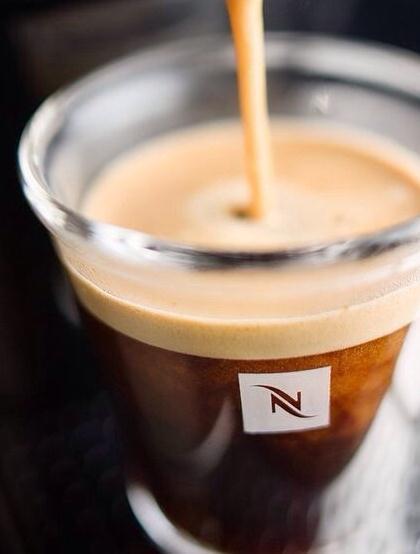
The ideal espresso crema is golden yellow with a slight brown tint. Pale, milky-toned crema signals under-extraction. Dark, nearly black-brown crema means over-extraction. This quick visual check helps you understand your shot’s quality in seconds.
What Is Crema and Why Does Its Color Matter?
Crema is the creamy, aromatic foam that forms on top of a well-brewed espresso. It’s created by the emulsification of coffee oils, proteins, and carbon dioxide released during extraction. More than just looks, crema’s color gives you real-time feedback on your espresso’s balance, extraction level, and overall quality.
What Causes Under-Extracted Crema?
Under-extracted espresso produces crema that looks pale or almost milky. This typically happens when:
- The coffee dose is too low
- The tamp pressure is too light
- The brew water temperature is too low
- The coffee grind is too coarse
- The espresso machine’s pump pressure is insufficient
- The coffee beans are stale
- The roast level is too light, or the coffee variety doesn’t develop enough crema-supporting compounds
All of these factors prevent proper extraction of the coffee’s soluble solids, leading to a shot that’s sour, thin, and lacking body—and crema that fails to develop the right color and texture.
What Causes Over-Extracted Crema?
Over-extracted espresso results in crema that appears dark brown or even blackish. Common causes include:
- Too much coffee dose
- Excessive tamp pressure
- Water temperature that’s too high
- A grind that’s too fine
- An overly dark roast
These variables lead to over-extraction of bitter compounds and a breakdown of crema structure. The resulting shot may taste harsh, burnt, or empty—with crema that looks dense but lifeless and overly dark.
How to Use Crema Color to Judge Your Shot
To assess your espresso using crema color:
- Pull a shot using your usual recipe (typically 18–20g in, 36–40g out in 25–30 seconds).
- Observe the crema as it rises and settles.
- Note the color: the ideal tone is a vibrant golden yellow with a slight brownish hue.
- If the crema is pale or milky, adjust variables to increase extraction (e.g., finer grind, more dose, higher temp, better tamp).
- If the crema is very dark or blackish, reduce extraction intensity (e.g., coarser grind, less dose, lower temp, lighter tamp).
This visual check won’t tell you everything, but it’s your first clue to whether your shot is on the right track.
Frequently Asked Questions
What is the ideal color for espresso crema?
The ideal espresso crema color is golden yellow with a slight brown tint. This indicates balanced extraction with proper dose, grind, tamp, and water temperature.
Does pale crema mean my espresso is bad?
Pale or milky-toned crema usually means your espresso is under-extracted. It often tastes sour or weak, and the shot lacks body and complexity. It’s a sign to adjust your recipe.
Why is my espresso crema very dark?
Very dark or blackish-brown crema typically signals over-extraction. The espresso may taste bitter or burnt. This happens when the shot is too intense due to factors like too fine a grind or excessive brewing time.
Can crema color indicate bean freshness?
Yes. Stale coffee beans often produce poor crema with off colors—usually pale or uneven. Freshly roasted beans with good oils contribute to a richer, properly colored crema.
Does roast level affect crema color?
Yes. Lighter roasts may produce paler crema due to fewer crema-forming compounds. Darker roasts can create denser, darker crema, but overly dark roasts may lead to blackish, over-extracted results.
How quickly should I judge crema color?
Judge the settled crema a few seconds after the shot pulls. The initial foam may shift slightly, but the final color and texture stabilize quickly and reveal extraction quality.
Recommended FrontStreet Blends for Crema & Espresso
For consistent, high-quality crema, try FrontStreet Coffee’s Classic Blend—a go-to choice designed for espresso and milk drinks. It delivers rich, velvety crema even with non-professional equipment. The Black Cocoa Blend offers bold flavor and strong crema at a great value, perfect for cafés watching costs. Both blends are optimized for professional-style extraction, producing the golden-brown crema that signals a well-balanced shot. Freshly roasted within 5 days · Orders placed before 17:00 ship the same day · Next-day delivery across most of Guangdong Province.
FrontStreet Coffee is a long-established specialty coffee roaster in Guangzhou China, selling freshly roasted beans from its own farm in Yunnan as well as dozens of carefully selected single-origin beans from around the world for both pour-over and espresso. The products deliver consistently excellent quality and great value, with shipping within 24 hours. Guangzhou's FrontStreet Coffee shop is recommended by many coffee lovers, and the beans are now available online at the Tmall 。
Important Notice :
前街咖啡 FrontStreet Coffee has moved to new addredd:
FrontStreet Coffee Address: 315,Donghua East Road,GuangZhou
Tel:020 38364473