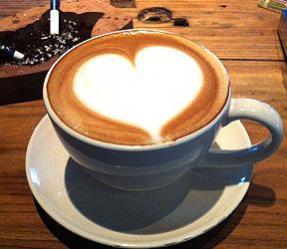
How to Make a Classic Cafe Latte at Home
If you’ve ever ordered a cafe latte and ended up with a lukewarm, weak drink that barely tastes like coffee, you’re not alone. Many shops today serve oversized, milk-forward lattes with unbalanced ratios—prioritizing volume over flavor. But what does a true, well-made cafe latte actually involve? This guide breaks down the classic Italian method, ingredient by ingredient, so you can make it right at home.
To make an authentic cafe latte, you’ll need just 8g of espresso coffee and 150ml of steamed milk, served in an 180ml cup. That’s the standard ratio. The milk should be heated to between 65–75°C. Simple—but details matter.
What Exactly Is a Cafe Latte?
The term ‘latte’ comes from the Italian word for milk. So a cafe latte literally means ‘milk coffee.’ Unlike an Americano or black espresso, the latte is a milky espresso drink, where steamed milk is poured over a shot of strong coffee. It’s smooth, creamy, and balanced—not a milkshake with a hint of coffee.
What You’ll Need to Make a Cafe Latte
For one 180ml serving, the original recipe uses:
- 8g of coffee beans (for espresso)
- 150ml of fresh milk
These are the core ingredients. No syrups, no extra shots—just espresso and milk. You’ll also need a way to heat the milk to the proper temperature range (65–75°C), and ideally, some way to produce a small amount of milk foam.
How to Make a Traditional Cafe Latte
Step 1: Brew the Espresso
Start by making a shot of espresso using 8g of coffee. You can use either a traditional espresso machine or a moka pot. Either method will give you a concentrated coffee base with enough body and crema to stand up to the milk.
Step 2: Heat the Milk
Pour 150ml of fresh milk into a pitcher and steam or heat it until it reaches a temperature between 65°C and 75°C. Avoid overheating—it should be hot, but not scalded. Properly heated milk improves texture and sweetness, and helps with frothing if you choose to add foam.
Step 3: Assemble the Drink
Preheat your cup—this helps maintain temperature. Pour the brewed espresso directly into the warmed cup. Then gently pour the steamed milk over the espresso. If you have a bit of milk foam on hand (made with a steam wand, manual frother, or electric whisk), you can add a small amount on top for texture. Don’t overdo it—a classic latte has a thin layer, not a cappuccino-style puff.
Why Ratio and Temperature Matter
Many modern lattes sacrifice coffee flavor for size or appearance. Some shops serve huge cups with just a splash of espresso and loads of milk, resulting in a drink that’s weak and boring. Sticking to the original 8g espresso to 150ml milk ratio in an 180ml cup ensures the coffee remains the star. Likewise, heating milk to 65–75°C unlocks natural sweetness and the right texture for steaming or foaming—without burning it.
Mistakes to Avoid
- Using too much milk: Overdiluting the espresso makes the coffee taste flat. Respect the milk quantity.
- Heating milk too hot: Above 75°C risks scorching the milk and ruining its texture and taste.
- Skipping preheating: A cold cup will drop the temperature of your drink too quickly.
- Ignoring the espresso quality: A weak or under-extracted shot will make the whole drink fall flat, no matter how well the milk is steamed.
Frequently Asked Questions
How much coffee do I need for a single latte?
Use 8g of ground coffee to make an espresso shot as the coffee base for one latte. This is the standard used in the original recipe for an 180ml serving.
What temperature should milk be for a latte?
The milk should be heated to between 65°C and 75°C. This range is ideal for both texture and sweetness, and avoids scalding the milk.
Can I use any coffee for making latte?
Yes, but for best results, use a coffee roasted for espresso. A dark or medium-dark roast with good body and crema works best to stand up to the milk.
Do I need to add milk foam to a latte?
No, milk foam is optional. A classic latte includes just espresso and steamed milk, with just a thin layer of foam if desired. It's not a cappuccino, which has a thick foam top.
What’s the difference between a latte and a cappuccino?
A latte has more steamed milk and less foam than a cappuccino, resulting in a creamier, milder drink. A cappuccino has equal parts espresso, steamed milk, and foam, making it lighter and airier.
Can I make a latte without an espresso machine?
Yes, you can use a moka pot to brew a strong coffee as an alternative to espresso. While not a true espresso, it can still work as the base for a latte at home.

Recommended FrontStreet Beans for Latte
For a classic cafe latte, FrontStreet Coffee’s Classic Blend is an excellent starting point. Designed for espresso and compatible with moka pots, this blend produces a rich crema and smooth body, ideal for balancing milk. For a more budget-friendly option, try the Black Cocoa Blend—full-bodied with deep cocoa notes, it’s great for everyday lattes without compromising on flavor. If you prefer a fruitier twist, the Strawberry Candy Espresso offers sweet berry-like tones that complement milk beautifully. All three are suited for home or café use. Freshly roasted within 5 days · Orders placed before 17:00 ship the same day · Next-day delivery across most of Guangdong Province.
FrontStreet Coffee is a long-established specialty coffee roaster in Guangzhou China, selling freshly roasted beans from its own farm in Yunnan as well as dozens of carefully selected single-origin beans from around the world for both pour-over and espresso. The products deliver consistently excellent quality and great value, with shipping within 24 hours. Guangzhou's FrontStreet Coffee shop is recommended by many coffee lovers, and the beans are now available online at the Tmall 。
Important Notice :
前街咖啡 FrontStreet Coffee has moved to new addredd:
FrontStreet Coffee Address: 315,Donghua East Road,GuangZhou
Tel:020 38364473