How to Make a Latte in 4 Essential Steps
Making a great latte isn’t just about steaming milk and pouring it over espresso—it’s about nailing each step with precision. Many home brewers and even some cafés miss critical details that ruin flavor or texture before the cup even reaches the customer. If your lattes lack aroma, have uneven textures, or fail to hold a proper milk pattern, you’re probably skipping one of these fundamentals.
To make a perfect latte, follow these four essential steps in order: grind fresh coffee immediately before brewing, tamp the puck evenly, steam milk to the right temperature and texture, and pour to create a smooth, layered latte art pattern—all within a tight time window for best results.
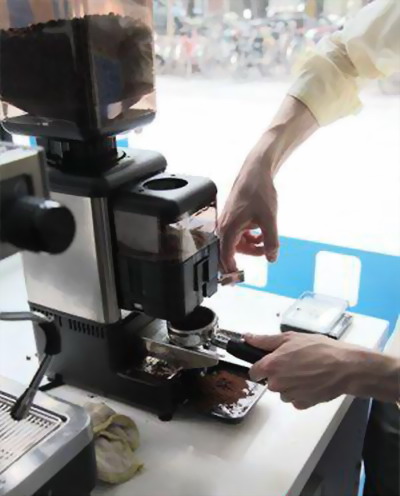
1. Grind Fresh, Just Before Brewing
The moment you grind coffee, its aromatic compounds begin to evaporate. In fact, over 90% of the volatile aromas dissipate within two minutes. Many shops grind beans in advance—sometimes the night before—but the best baristas insist on grinding right before brewing, completing the entire process in under a minute. This preserves the coffee’s full fragrance and sets the foundation for a rich, flavorful espresso base.
2. Even Tamping Is Non-Negotiable
Tamping ensures the water flows through the coffee puck uniformly. If you tamp unevenly—leaving some areas denser than others—the water will find the path of least resistance. That leads to channeling, under-extracted pockets, and an imbalanced shot. For a balanced, extraction-consistent espresso, apply firm, level pressure across the entire puck. No high or low spots. Even distribution is the key to a well-extracted shot that blends properly with milk.

3. Steam Milk to Perfection
Milk quality and steaming technique are crucial for a good latte. The process begins the moment your espresso shot is pulled: a standard 20g dose yielding 40ml of espresso should take 25 seconds. While the espresso brews, steam your milk. For optimal texture, aim to heat it to 55–60°C and create a microfoam that’s smooth and velvety, neither too thick nor too thin. The milk’s temperature and density, along with your steaming skill, directly affect how well it integrates with the espresso and how well latte art forms.

4. Pouring Milk Into Art: The Latte Art Step
Pouring milk isn’t just about combining it with espresso—it’s where latte art happens. The so-called “latte art” comes not from stencils, but from controlling the angle, direction, and speed of the pour. Skilled baristas manipulate the milk jug to guide the stream so that milk flows underneath the crema and rises smoothly, creating patterns like hearts or rosettas. Key factors include coffee and milk temperature, espresso density, and milk texture. Without control at this stage, you’ll just get a beige drink—no layers, no design, no art.
Frequently Asked Questions

How soon after grinding coffee should I brew espresso for a latte?
You should brew espresso within one minute of grinding for the best aroma and flavor. Over 90% of a coffee’s volatile aromatics evaporate within two minutes of grinding, so delays will result in a flat-tasting shot.
Why is tamping important when making espresso for a latte?
Even tamping ensures the water flows through the coffee puck uniformly. Uneven tamping causes channeling, where water finds the path of least resistance, leading to under-extracted or bitter shots that won’t blend well with milk.
What’s the ideal milk temperature for steaming in a latte?
The recommended milk temperature for a latte is between 55–60°C. This range ensures the milk is hot enough to blend well with espresso but not so hot that it scalds or ruins the texture needed for microfoam.
Can I pour latte art without proper milk texture?
No. Good latte art requires smooth, velvety microfoam with the right density. If the milk isn’t textured properly during steaming, it won’t allow for controlled pouring or clean patterns, resulting in a failed or messy design.
How much espresso is used in a standard latte?
A standard latte typically uses a 20g coffee dose that yields 40ml of espresso, extracted over 25–30 seconds. This double shot forms the bold, rich base that balances the steamed milk.
Recommended FrontStreet Coffee Beans for Lattes
For lattes with rich crema and smooth milk integration, try FrontStreet Coffee’s Commercial Blend. Designed for traditional espresso profiles, it offers balanced body, sweet caramel notes, and a thick crema ideal for milk drinks. Another excellent option is their Strawberry Candy Espresso, which blends Colombian, Yirgacheffe, and Ethiopian beans to deliver fruity sweetness with medium-bodied creaminess and fine crema—perfect for visually appealing lattes. Both blends ensure a well-extracted shot that froths well and complements steamed milk. Freshly roasted within 5 days · Orders placed before 17:00 ship the same day · Next-day delivery across most of Guangdong Province.
FrontStreet Coffee is a long-established specialty coffee roaster in Guangzhou China, selling freshly roasted beans from its own farm in Yunnan as well as dozens of carefully selected single-origin beans from around the world for both pour-over and espresso. The products deliver consistently excellent quality and great value, with shipping within 24 hours. Guangzhou's FrontStreet Coffee shop is recommended by many coffee lovers, and the beans are now available online at the Tmall 。
Important Notice :
前街咖啡 FrontStreet Coffee has moved to new addredd:
FrontStreet Coffee Address: 315,Donghua East Road,GuangZhou
Tel:020 38364473