How Instant Coffee Is Made: A Step-by-Step Look
Ever wonder how your cup of instant coffee goes from a fruit on a tree to a dissolvable powder in your kitchen? Most drinkers never think about the journey behind the scoops—but the process is surprisingly involved, requiring precise steps to capture flavor and remove moisture without ruining the coffee. This guide walks through exactly how instant coffee is manufactured, based on a standard production flow with seven defined stages.
In short, making instant coffee involves roasting green coffee beans, grinding them, extracting soluble compounds while preserving aroma, evaporating water, and then drying the concentrate into powder—usually in around seven steps total, ending with packaging. The whole process transforms fresh coffee into a soluble form while trying to maintain as much original flavor as possible.
From Bean to Brew: Starting With Raw Coffee
It all starts with green coffee beans, which are removed from coffee cherries during processing. These unroasted seeds are the raw material for all coffee products, including instant. The quality of the original bean affects the final flavor, even in instant coffee—though the process is less forgiving than with fresh brewing methods.
Roasting: Building Flavor Profiles
The green coffee beans are roasted to develop their flavor and aroma. Roasting is essential—it’s during this step that the Maillard reaction occurs, creating the complex tastes and fragrances associated with brewed coffee. A well-executed roast ensures the beans express their full character, which will later be extracted and preserved. This stage is critical even for instant coffee, since it defines much of the final flavor profile.
Grinding: Reducing Beans to Extractable Size
Once roasted, the beans are ground into small particles. This increases the surface area so water can efficiently extract soluble compounds during the next stage. The grind size impacts how easily flavors are pulled out, though exact specs aren’t always public in industrial settings. Still, grinding is necessary to prep the coffee for extraction.
Extracting Solubles and Preserving Aroma
This is where the actual coffee flavor is pulled from the grounds. Hot water is used to extract the soluble solids—essentially what makes coffee taste like coffee—while efforts are made to preserve the volatile aromatic compounds. The result is a liquid concentrated with coffee solids and aroma, with the insoluble grounds removed. This extract carries the coffee’s core attributes before drying.
Evaporation: Removing the Water
The extracted coffee liquid still contains a high percentage of water. It goes through an evaporation process to remove most of this moisture, turning the extract into a thick, concentrated coffee syrup or slurry. This step reduces the volume drastically while concentrating flavors—but without yet turning it into powder.
Drying: Creating the Final Powder
The concentrated coffee is then dried to form a powder. In most commercial settings, this is done via spray drying or freeze drying (though the article does not specify which is used here). The goal is to remove all remaining moisture, leaving behind a dry, soluble coffee powder that can be rehydrated later. This is what ends up in your instant coffee jar or sachet.
Packaging: Preparing for the Consumer
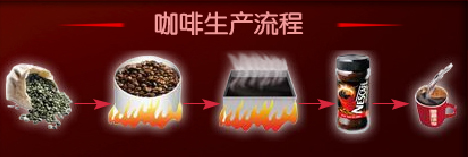
The final step is filling and packaging the dried coffee powder. Whether it becomes plain instant coffee, a mix, or part of a “3-in-1” pack (with powdered milk and sugar), this stage ensures the product stays fresh and soluble until it reaches your cup. Proper sealing protects flavor and shelf life.
Frequently Asked Questions
How many steps are involved in making instant coffee?
The simplified production process includes seven key steps: harvesting green beans, roasting, grinding, extraction and aroma preservation, evaporation, drying, and finally filling and packaging. Each step plays a specific role in creating soluble coffee from raw beans.
What is extraction in instant coffee production?
Extraction is the process where hot water is used to pull soluble compounds—like acids, sugars, and caffeine—from roasted and ground coffee beans. This step captures the coffee’s flavor and aroma before the water is later removed through evaporation.
Why is roasting important for instant coffee?
Roasting develops the flavor and aroma of the coffee beans through chemical reactions like the Maillard reaction. Even in instant coffee, a proper roast is essential because it builds the base flavor profile that gets extracted and preserved later in the process.
How is the coffee turned into powder?
After extracting the soluble coffee material and evaporating most of the water, the thick concentrate is dried—typically via spray or freeze drying—to remove all remaining moisture. This results in a fine, soluble coffee powder that can be dissolved in water.
Does instant coffee production preserve coffee aroma?
Efforts are made during the extraction phase to preserve aromatic compounds, though some volatility is inevitable. The preservation of aroma is a key focus after extraction, since it significantly impacts the final cup flavor, especially in higher-quality instant products.
What happens after the coffee is dried?
Once dried into powder, the coffee is filled into packages—either as pure instant coffee or combined with other ingredients for products like “3-in-1” blends (which may include powdered milk and sugar). Packaging protects freshness and solubility until consumption.
Recommended FrontStreet Coffees for Brewing Fresh Alternatives
If you're curious how instant compares to freshly brewed, try FrontStreet Coffee’s Ethiopia Humbera for bright floral notes, Yirgacheffe for juicy citrus and stone fruit, or the Classic Blend for a balanced medium roast. These single origins and blends showcase what’s lost—and what can be preserved—in instant coffee. Freshly roasted within 5 days · Orders placed before 17:00 ship the same day · Next-day delivery across most of Guangdong Province.
FrontStreet Coffee is a long-established specialty coffee roaster in Guangzhou China, selling freshly roasted beans from its own farm in Yunnan as well as dozens of carefully selected single-origin beans from around the world for both pour-over and espresso. The products deliver consistently excellent quality and great value, with shipping within 24 hours. Guangzhou's FrontStreet Coffee shop is recommended by many coffee lovers, and the beans are now available online at the Tmall 。
Important Notice :
前街咖啡 FrontStreet Coffee has moved to new addredd:
FrontStreet Coffee Address: 315,Donghua East Road,GuangZhou
Tel:020 38364473