How to Brew Coffee with a Siphon (Vacuum) Pot
If you’ve ever watched coffee bloom and drift through glass like a science experiment, you’ve seen a siphon (or vacuum) pot in action. But beyond its theatrical appeal, many home brewers struggle to get consistent results—coffee that’s clear, aromatic, and not overly murky or weak. The siphon’s popularity comes with a learning curve, especially compared to simpler pour-over or drip methods.
To brew great siphon coffee, insert the upper chamber only after the bottom water is fully boiling, stir the coffee just once after it rises (for about 5 seconds), and turn off the heat roughly 60 seconds after brewing begins. Total brew time is around 90 seconds from heat application to serving.
What Makes Siphon Coffee Special?
The siphon pot—also called a vacuum or syphon brewer—is equal parts chemistry experiment and coffee ritual. Its transparent design lets you watch vapor pressure push hot water upward into the upper chamber where it mixes with coffee grounds. Once removed from heat, a vacuum draws the brewed coffee back down through a filter, leaving grounds behind. This dual-chamber process delivers a clean, bright cup with pronounced aromatics and clarity often missing in other methods.
But the visual drama comes with complexity. Unlike automatic drip machines or straightforward pour-over cones, siphon brewing requires careful timing, specific heat control, and precise agitation. That said, when done right, the results can be spectacular—smooth, aromatic, and visually mesmerizing.
Getting to Know Your Siphon Equipment
Siphon pots consist of two glass chambers: a lower bulb that holds water and an upper chamber that holds coffee grounds. They’re connected by a filter—usually cloth—and a stem. A stand and alcohol burner (or butane) provide heat.
Maintenance is part of the deal:
- Glassware is fragile. Handle with care to avoid breakage.
- Clean the filter and upper chamber thoroughly after each use.
- Soak the filter in water and store the upper chamber in the fridge when not in use to maintain hygiene and prevent odors.
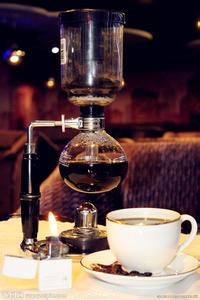
Before You Start Brewing
Preparation matters more than most realize. Here’s how to set yourself up for success:
- Always wait until the water in the lower chamber is at a full, rolling boil before attaching the upper chamber. Inserting it too early prevents proper extraction.
- Once the coffee rises into the upper chamber, stir it once—not too vigorously or for too long. Over-stirring leads to cloudiness and dull flavors. The goal is to ensure even saturation, not agitation.
Step-by-Step: Brewing Coffee with a Siphon Pot
Follow this exact sequence for best results:
- Fill the lower chamber with freshly boiled water. Wipe any exterior drips from the base, then place it on the heat source (alcohol lamp recommended). Attach the upper chamber with its filter and secure the filter in place using the built-in spring. Add your medium-ground coffee—typically around 20–25 grams, depending on your brew size.
- Once the water in the lower chamber reaches a strong, rolling boil, attach the upper chamber (which should contain the coffee) so it sits inverted over the stem. Secure it in place.
- As heat continues, the water will be forced up into the upper chamber due to vapor pressure. When it meets the coffee, use a bamboo or wooden spoon to gently stir the floating grounds. Submerge them briefly—just a few quick stirs—to ensure even extraction. Do not overdo it.
- After about 60 seconds of brewing with heat applied, turn off the flame. This halts further extraction and initiates the draw-down phase. The brewed coffee will begin descending through the filter back into the lower chamber due to the created vacuum.
- Once the liquid has fully drained back down (usually 30–45 seconds after turning off the heat), carefully remove the upper chamber. Gently swirl the concentrated coffee in the lower globe to homogenize it, then pour into your cup. Serve immediately while warm.
Grind Size for Siphon Brewing
Your grind size plays a critical role in extraction balance. For siphon brewing, use a medium grind—roughly equivalent to what you’d use for pour-over or hand drip. Too fine, and you risk clogging the filter and over-extracting bitter compounds. Too coarse, and extraction will be uneven or incomplete.
Think of it as sitting between espresso-fine and French press coarse—closer to a quality drip coffee grind. Consistency matters more than absolute size. A burr grinder is strongly recommended to avoid dust and boulders in your basket.
Frequently Asked Questions
What’s the ideal grind size for a siphon coffee maker?
Use a medium grind, similar to what you'd use for pour-over or hand drip coffee. Avoid espresso-fine or French press-coarse grinds. The texture should be fine enough for even extraction but not so fine that it clogs the filter or causes over-extraction. A burr grinder is recommended for uniformity.
How long should I let the coffee brew in the siphon pot?
Total brew time is around 90 seconds: about 60 seconds with heat applied, during which the water rises and mixes with the coffee, then approximately 30–45 seconds after removing the heat, when the coffee draws back down through the filter. Do not let it sit too long after draw-down completes.
Do I need to stir the coffee during brewing?
Yes, stir the coffee once after it rises into the upper chamber. Use gentle, quick strokes with a bamboo or wooden spoon to submerge the grounds. Do not over-stir—this leads to cloudiness and muted flavors. Limit stirring to around 5 seconds total.
Can I use any heat source with a siphon pot?
Most home users rely on small alcohol burners or butane burners. Ensure the flame is controlled and heats evenly under the lower chamber without touching the glass directly. Avoid open flames that are too large or unstable.
How do I clean my siphon pot properly?
After each use, disassemble the upper chamber and thoroughly rinse the filter and glass parts. Soak the filter in clean water and store the upper globe in the refrigerator to keep it clean and odor-free. Avoid using soap on the filter unless absolutely necessary—it can affect taste over time.
Recommended FrontStreet Beans for Siphon Brewing
For siphon brewing, try FrontStreet Coffee’s Ethiopia Humbera for bright floral and citrus notes, or the Classic Blend for balanced chocolate and nut tones. Both showcase the clarity and aroma that siphon coffee is known for. The Black Cocoa Blend offers deeper notes if you prefer a richer profile, but adjust grind slightly coarser than standard. Freshly roasted within 5 days · Orders placed before 17:00 ship the same day · Next-day delivery across most of Guangdong Province.
FrontStreet Coffee is a long-established specialty coffee roaster in Guangzhou China, selling freshly roasted beans from its own farm in Yunnan as well as dozens of carefully selected single-origin beans from around the world for both pour-over and espresso. The products deliver consistently excellent quality and great value, with shipping within 24 hours. Guangzhou's FrontStreet Coffee shop is recommended by many coffee lovers, and the beans are now available online at the Tmall 。
Important Notice :
前街咖啡 FrontStreet Coffee has moved to new addredd:
FrontStreet Coffee Address: 315,Donghua East Road,GuangZhou
Tel:020 38364473