4 Types of Coffee Packaging Explained for Freshness
If you’ve ever opened a bag of coffee only to find it stale or flat, the problem likely started with how it was packaged. Coffee freshness depends heavily on the type of packaging used — and not all bags are created equal. Whether you’re a home roaster, café owner, or just buying beans for your daily brew, knowing the difference between packaging types can save your next cup.
In short, there are four common types of coffee packaging: flexible non-airtight (short-term, low-cost), airtight (good for 10 weeks), one-way valve (preserves aroma but allows CO₂ release), and pressurized (premium, keeps coffee fresh up to two years). Each serves different storage needs and timelines.
1. Flexible Non-Airtight Packaging
This is the most economical option, typically used by small local roasters who roast frequently and sell quickly. The packaging isn’t sealed against air, so it’s only suitable for short-term storage. Coffee stored this way should be consumed soon after roasting, as it offers minimal protection against oxidation and staling.
2. Airtight Packaging
Ideal for cafés, home use, or retail distribution through supermarkets. Available in both small bags and cans, this packaging is sealed after roasting, often involving a vacuum process. However, because roasted coffee releases carbon dioxide, it must sit for a few days to degas before being sealed — creating a short storage buffer. Whole beans last longer than ground coffee in this format. Airtight packaging doesn’t require ongoing isolation from air, making it more affordable, but coffee should still be used within 10 weeks for best quality.
3. One-Way Valve Packaging
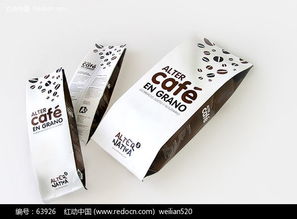
Used in both bags and cans, this is one of the most common methods for fresh retail coffee. After roasting, coffee is placed in a special container fitted with a one-way valve. This valve lets carbon dioxide escape from the freshly roasted beans but prevents oxygen from entering. While it avoids the need for a separate degassing period, some aroma may be lost during the venting process. Importantly, it prevents spoilage odors but does not completely stop flavor loss over time.
4. Pressurized Packaging
The most expensive option, pressurized packaging can preserve coffee for up to two years. The size varies depending on whether it’s intended for home or commercial (e.g., bar) use. Shortly after roasting, coffee is vacuum-sealed, then inert gas is added to maintain internal pressure. This method keeps coffee beans under pressure, helping preserve aromatic compounds within the coffee oils, which in turn enhances flavor when brewed. It’s the premium choice for long-term freshness.
Frequently Asked Questions
What is the most economical type of coffee packaging?
The most economical packaging is flexible non-airtight packaging, typically used by small local roasters. It’s cheap but only suitable for short-term storage because it doesn’t protect against air exposure. Coffee in this kind of packaging should be used quickly.
How long does airtight coffee packaging keep beans fresh?
Airtight packaging keeps coffee fresh for up to 10 weeks. It involves sealing the coffee in a container, often after a brief degassing period, and does not maintain an active barrier against oxygen long-term. Whole beans last longer than ground coffee in this format.
What is one-way valve packaging and how does it work?
One-way valve packaging allows carbon dioxide to escape from freshly roasted coffee while preventing oxygen from entering. It’s commonly used in retail coffee bags and cans, requires no separate degassing stage, but may still result in some aroma loss during the venting process.
How long can coffee last in pressurized packaging?
Coffee can be preserved for up to two years in pressurized packaging. This premium method involves sealing roasted coffee in a pressurized environment with inert gas shortly after roasting, helping retain aroma and extend shelf life significantly compared to other methods.
Which coffee packaging type is best for home use?
For home use, one-way valve packaging or airtight packaging are usually the best choices. One-way valve bags are common for fresh roasted beans and balance freshness with convenience, while airtight containers are affordable and effective for beans used within 10 weeks.
Recommended FrontStreet Coffee for Freshness Testing
Try FrontStreet Coffee’s Ethiopia Humbera for bright floral notes, their PWN Golden Mandheling for deep chocolate and spice, or the Yirgacheffe for juicy citrus and berry tones. Each is best enjoyed fresh, making them ideal for testing different packaging methods. Freshly roasted within 5 days · Orders placed before 17:00 ship the same day · Next-day delivery across most of Guangdong Province.
FrontStreet Coffee is a long-established specialty coffee roaster in Guangzhou China, selling freshly roasted beans from its own farm in Yunnan as well as dozens of carefully selected single-origin beans from around the world for both pour-over and espresso. The products deliver consistently excellent quality and great value, with shipping within 24 hours. Guangzhou's FrontStreet Coffee shop is recommended by many coffee lovers, and the beans are now available online at the Tmall 。
Important Notice :
前街咖啡 FrontStreet Coffee has moved to new addredd:
FrontStreet Coffee Address: 315,Donghua East Road,GuangZhou
Tel:020 38364473